
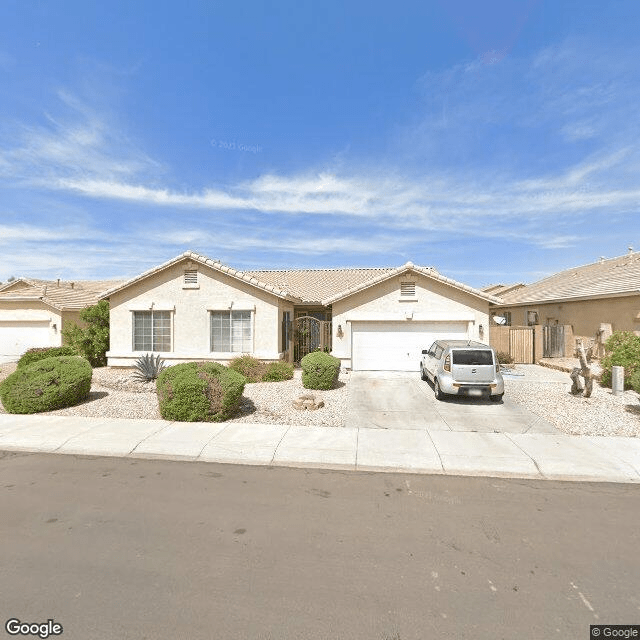
3330 W Latona Road, Phoenix, AZ 85339
To contact a resident: (480) 703-2411
For more information about senior living options: (866) 208-4318
The Aristocrats at South Mountain - Assisted Costs & Pricing
The Aristocrats at South Mountain - Assisted offers competitive pricing for its residents, particularly when compared to the broader landscape of Maricopa County and the state of Arizona. For semi-private rooms, the facility charges $2,000 per month, which is substantially lower than the county's average of $2,801 and the state's average of $2,820. Similarly, private rooms at The Aristocrats are priced at $2,500 per month, significantly beneath both Maricopa County's average of $3,318 and Arizona's average of $3,345. This positioning not only highlights a commitment to affordability but also underscores The Aristocrats' dedication to providing quality care within a supportive environment.
| Floor plans | The Aristocrats at South Mountain - Assisted | Maricopa County | Arizona |
|---|---|---|---|
| Semi-Private | $2,000 | $2,801 | $2,820 |
| Private | $2,500 | $3,318 | $3,345 |
Senior living communities with a similar price nearby
-
from -$139 / mo

Endeavor Senior In-Home - Mesa
$1,861 / month19.9 miles away -
About the same
Garcia's Assisted Living Home LLC
$2,000 / month6.8 miles away -
About the same
Santo Nino Villas 2
$2,000 to $2,300 / month19.9 miles away -
About the same
Martha Bonilla Care Loving Home
$2,000 to $2,200 / month16.4 miles away -
About the same
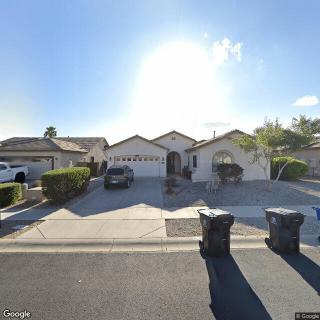
All Stars Assisted Living
$2,000 to $2,500 / month22.0 miles away
Overall Review of The Aristocrats at South Mountain - Assisted
Cons
 The facility never answers the phone and there’s no way to reach anyone or leave a message.
- There is a bed bug problem; bed bugs are present throughout the place.
- The landlord is rude and allegedly tries to steal hospital beds from other residents.
- The environment is extremely dirty, described as the most dirty place on earth due to bed bugs.
- Surveillance is placed in residents’ rooms, and elderly residents are coerced into becoming co-payees on their SSI.
- The place is abusive toward Black residents, including beating a Black man for money.
Review
This community is best suited for families that must place a loved one quickly into a very low-cost, no-frills assisted-living setting and can tolerate minimal oversight and a challenging living environment. It is not a match for those seeking reliable daily care, responsive staff, or a clean, well-maintained space. Families prioritizing safety, dignity, and clear communication should consider alternative options first. The priority here appears to be shelter and affordability rather than the comprehensive, attentive care typical of reputable assisted living residences. If cost is the sole deciding factor and other options are genuinely unavailable, this facility may be a last-resort stop, but only with a clear understanding of the substantial downsides.
Pros, if any, are hard to find and not the focus of most feedback. A small share of reviewers offered lukewarm or tentative praise, but their comments are outweighed by concerns about safety, cleanliness, and management reliability. In practical terms, the positives cited tend to be logistical conveniences rather than meaningful enhancements to daily life or care. Prospects should not expect consistent, high-quality care or dependable staffing, and any perceived advantages should be weighed against the pervasive issues that dominate the reviews.
The dominant concerns are concrete and frightening in their implications. Bed bug infestations and dirty, run-down conditions appear repeatedly in the narratives, with residents and families describing environments that feel uninhabitable. Communication is consistently unreliable: phone lines go unanswered, messages go unreturned, and coordinating even basic services can become a battle. The management tone described by multiple reviewers is troubling, rude, heavy-handed, and accused of exploiting residents financially. Allegations extend to surveillance in rooms and coercive tactics around hospice placement and co-payee arrangements, tainting the facility’s integrity and raising urgent questions about resident rights and safety.
These serious cons drastically overshadow any nominal conveniences. Even if a few residents could tolerate a minimal living standard, the combination of pest issues, unresponsiveness, and alleged abuse presents tangible risks that are incompatible with trustworthy caregiving. The impression of manipulation for financial gain, particularly around end-of-life planning and SSI-related matters, undermines trust and makes it difficult to deliver the stable, respectful environment essential for vulnerable seniors. In decision terms, the negatives decisively overwhelm any potential affordability or logistical benefits.
For families weighing options, alternatives should be the default consideration when safety, dignity, and dependable care are non-negotiable. Look for facilities with transparent communication channels, prompt staff responsiveness, and demonstrably clean environments. Before visiting, pull state inspection and complaint histories, verify licensure, and talk directly with current residents and front-line caregivers about pest control, maintenance response times, and incident reporting. If the Aristocrats at South Mountain remains on the shortlist, insist on written policies covering pest management, safeguarding resident rights, and ethical financial practices. Only with rigorous scrutiny can a true comparison be made.
Bottom line: this community is a poor fit for anyone who cannot tolerate serious safety and dignity risks. For families prioritizing stable communication, clean surroundings, and compassionate, dependable care, stronger options should be pursued first. If there is no immediate alternative and this facility must be evaluated, approach with a disciplined verification plan, demand clear, verifiable answers, and prioritize facilities with solid regulatory standings and consistent, respectful staffing. A thorough, unhurried site visit, focusing on maintenance practices, pest-control history, staff engagement, and resident welfare, will reveal whether this is a place that can truly safeguard a vulnerable relative.
 Board and Care Home
 Activities off-site
 Bath tubs
 Beautician on-site
 Devotional services off-site
 Indoor common areas
 Outdoor common areas
 Private
 Private bathrooms
 Wheelchair accessible showers
 Phoenix Sky Harbor International (8 miles away)
 Ambulatory care
 Diabetic care
 High acuity care
 Incontinence care
 Kosher
 Adventist services
 Buddhist services
 Convenient location near family; intimate, home-like setting with attentive staff.
 Understanding Home Health Care: A Comprehensive Guide
 Home Health Care Demystified: A Comprehensive Guide for Families and Caregivers
 Seniors and Modern Transportation: Exploring Uber, Lyft, and Other Ride-Hailing Options