

6309 West Mescal Street, Glendale, AZ 85304
For more information about senior living options: (866) 208-4318
Rosarian Assisted Living Costs & Pricing
Rosarian Assisted Living offers competitive pricing for its services compared to the broader market in Maricopa County and the state of Arizona. With a monthly cost of $2,000 for semi-private rooms, Rosarian significantly undercuts the county average of $2,801 and the state average of $2,820. For those seeking private accommodations, Rosarian's price of $2,700 also stands out against higher local rates, which average around $3,318 in Maricopa County and $3,345 statewide. This pricing structure not only reflects Rosarian's commitment to providing affordable senior care but also enhances accessibility for families looking for quality assisted living options in a supportive environment.
| Floor plans | Rosarian Assisted Living | Maricopa County | Arizona |
|---|---|---|---|
| Semi-Private | $2,000 | $2,801 | $2,820 |
| Private | $2,700 | $3,318 | $3,345 |
Assisted Living communities with a similar price nearby
-
About the same
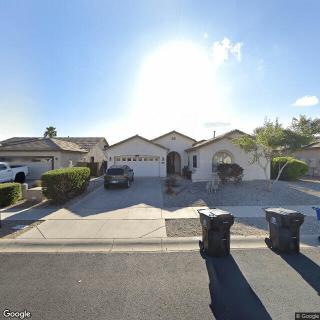
All Stars Assisted Living
$2,000 to $2,500 / month12.6 miles away -
from -$125 / mo
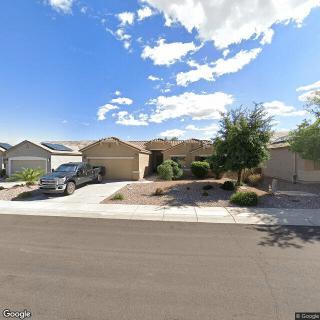
Marybela's Loyal Care
$1,875 to $3,010 / month14.1 miles away -
About the same
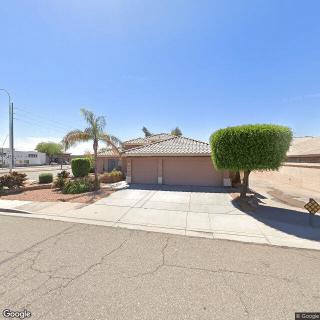
Angel's Adult Group Home
$2,000 to $3,000 / month22.9 miles away -
from +$255 / mo

Windsor Luxury Assisted Living, LLC
$2,255 to $5,950 / month13.8 miles away -
from +$225 / mo
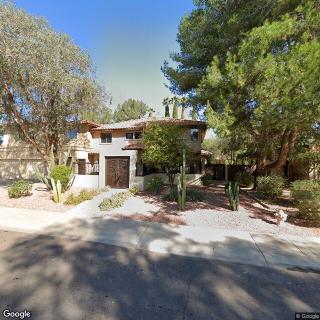
Harts Home - Exceptional Elder Care
$2,225 to $5,500 / month17.1 miles away
Overall Review of Rosarian Assisted Living
Pros
 The staff is very friendly.
- The loved one was helped with dressing and was fed well.
Cons
 The owner of the community would be a three.
- There were no activities.
- There was little to no interaction for residents.
- The resident was always sitting in the same place during visits.
Review
Rosarian Assisted Living in Glendale is best suited for seniors who primarily need hands-on daily care and dependable personal assistance, yet do not require a calendar packed with activities. The community appears to deliver reliable help with everyday tasks such as dressing and meals, and staff are consistently described as friendly and approachable. For families prioritizing warmth, predictable routines, and steady caregiving over high-energy engagement, this setting can feel reassuring. It’s a compact, intimate operation where caregivers are accessible, management is visible, and visits tend to be relaxed rather than clinical. The emphasis on consistent support makes it a practical fit for stability-focused needs.
Who should consider alternatives? Families seeking rich social programming, ongoing cognitive stimulation, and frequent opportunities for resident interaction will likely find Rosarian lacking. The lack of activities and the impression of limited engagement can leave some residents disengaged, especially when family visits aren’t frequent. The owner’s management impression comes across as average, not aggressively responsive or highly proactive, which matters when questions arise about programming, outings, or adaptive plans as needs evolve. In short, this community delivers dependable care but offers little in the way of community life or experiential enrichment.
Key advantages center on staff warmth and reliable basic care. The reviews repeatedly highlight friendly, courteous aides who handle dressing and feeding competently, creating a sense of safety and daily predictability. For residents who require help with activities of daily living and appreciate a calm, unhurried atmosphere, the consistency can be priceless. A quiet setting with predictable routines reduces confusion and anxiety for some residents. The combination of approachable staff and dependable assistance forms a solid foundation upon which families can base trust, even while the overall activity level remains modest.
Yet the limitations are real and pronounced. There are virtually no activities, and interactions outside of care tasks appear minimal. The impression that a resident sits in the same place during visits underscores the absence of engagement, stimulation, or opportunities to socialize with peers. For seniors who thrive on conversation, exploration, or purposeful daily events, this environment can feel stifling over time and may slow mood and vitality. The owner’s middling rating hints at potential gaps in programming oversight, which can translate into misses on enrichment and timely adjustments to evolving care needs.
How to weigh the choice involves matching needs to offerings. If basic care and a warm, reliable staff are non-negotiable, Rosarian can be a safe harbor. If, however, the resident needs regular activities, community involvement, and structured engagement to maintain morale and cognitive function, alternatives should be pursued. Prospective families should request a detailed daily schedule, observe a meal or activity if possible, and ask about how staff respond to boredom, loneliness, or anxiety. Consider proximity to family, flexibility in care plans, and whether the facility can add meaningful enrichment without sacrificing safety or stability.
Bottom line: Rosarian Assisted Living serves as a practical option for seniors who prize steady, personal-assisted care delivered in a friendly, low-stimulus setting. It is less suitable for those who require robust programming, dynamic social life, or proactive programming oversight. Families with a strong preference for activity, interaction, and a more energetic community should compare Rosarian with other Glendale options that emphasize programming, outings, and resident engagement. When chosen intentionally for its care-first orientation and calm environment, Rosarian can meet essential needs while recognizing the trade-off in daily enrichment.
 5 resident community capacity
 Assisted Living
 Board and Care Home
 Activities off-site
 Bath tubs
 Beautician on-site
 Cable or satellite TV
 Fully furnished
 Garden
 Housekeeping services
 Indoor common areas
 Move-in coordination
 Outdoor common areas
 Private
 Private bathrooms
 Respite or short term stays offered
 Swimming pool / hot tub
 Wheelchair accessible showers
 Phoenix Sky Harbor International (15 miles away)
 Transportation arrangement
 24-hour supervision
 Ambulatory care
 Assistance with bathing
 Assistance with dressing
 Assistance with transfers
 Diabetes diet
 Diabetic care
 High acuity care
 Incontinence care
 Meal preparation and service
 Medication management
 Special dietary restrictions
 Christian services




 Comprehensive Residential Support and Assisted Living Solutions for Individuals with Disabilities
 Comprehensive Supportive Living Arrangements for Adults with Disabilities
 Funding and Affording Assisted Living: A Thorough Overview