
8433 North 59Th Avenue, Glendale, AZ 85302
For more information about senior living options: (866) 208-4318
Overall Review of Reanna's Assisted Living Home
Pros
 Residents were very well taken care of and treated like family.
- They were included in special birthday parties and holiday celebrations, just like at home.
- Residents were clean, well fed, and well supervised.
- The home provides three meals and daily snacks, with home-cooked food.
- The facility offers all three levels of care, with a house doctor who comes monthly and is on call; the owner’s husband is an RN and all caregivers are certified.
- Laundry and housekeeping are provided.
- Activities include bingo, games, birthday parties, BBQs, and outings to the park and for shopping.
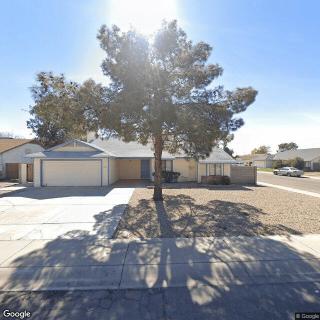
- The house and yard are well maintained, with large private and semi-private rooms that are handicapped equipped.
Cons
 The facility was filthy, with no proper care given to the interior or rooms.
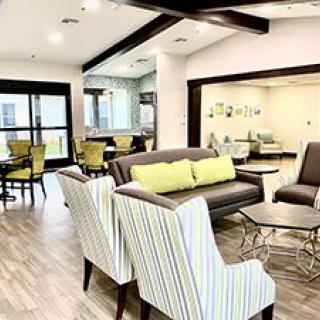
- The common area was dark and dreary, with no natural light.
- There were many things wrong with the facility that would be detrimental to residents.
- The house seemed clean but did not provide a homey atmosphere.
- The review suggested the facility would be unsuitable for both animals and people.
Review
Reanna’s Assisted Living Home in Glendale is best suited for families seeking an intimate, home-like setting where seniors receive close, hands-on attention and medical oversight folded into daily life. This is a private residence licensed for 10 residents, with large private or semi-private rooms and a framework that prioritizes routine, home cooking, and daily social activity within a contained footprint. It serves well for residents who value consistent, individualized care, predictable daily rhythms, and the sense of belonging that comes from a small, familial environment. Those who prize bright common spaces, extensive social programming, or a polished, institutional feel may want to look at alternatives.
The strongest positives center on the small scale and embedded care structure. A true advantage is the intimate setting that supports frequent staff-resident interaction and tailored routines. Laundry and housekeeping are handled in-house, meals are prepared on-site with daily three meals and snacks, and activities, bingo, parties, BBQs, and outings, create regular opportunities for engagement. Medical oversight is a practical plus: a house doctor visits monthly and is on call, and the owner’s husband is an RN, with caregivers who are certified. For families prioritizing continuity of care and visible medical access without complicated external referrals, these elements can translate into tangible peace of mind.
However, the experience is not without significant caveats that demand careful consideration. Accounts of cleanliness and ambiance vary markedly. One perspective describes the interior as filthy with a dreary common room and a lack of natural light, signaling a home atmosphere that feels neglected or unwelcoming to outsiders. Conversely, other sources report cleanliness and a well-maintained house, suggesting that upkeep may hinge on staffing, turnover, and day-to-day management. The same divergence appears in the “homey” feel: for some, the private residence falters on warmth and coziness, while others experience it as a functional, if modest, living space. These inconsistencies imply that the resident’s daily experience could swing with staff stability and routines.
The proposed pros offset the cons only to a point, depending on priorities. For families prioritizing medical oversight and daily structure within a diminutive, private setting, the combination of a house doctor, on-site RN-connected leadership, and certified caregivers offers real reliability. The absence of large, formal common areas can be a strength for those who dislike overwhelming stimuli or who value predictable, simple routines and consistent supervision. In practice, well-run days with meals, activities, and social events can be meaningful substitutes for a more expansive, high-gloss environment, especially when staffing remains steady and engaged.
Yet the decision hinges on what matters most to the resident and family. If cleanliness, bright, sunlit spaces, and a consistently uplifting atmosphere are non-negotiables, alternatives with larger campuses and more uniform maintenance records deserve consideration. For residents needing specialized memory-care programming, higher staff-to-resident ratios, or a larger, more dynamic social calendar, a conventional assisted living community may deliver a better match. Additionally, for those who require pet-friendly arrangements or highly structured, dementia-focused routines, this home’s small, private-house model may fall short.
Bottom line: Reanna’s Assisted Living Home is a viable option for a specific demographic, seniors who want a true small-house, home-like environment with approachable medical oversight, home-cooked meals, and familiar daily rhythms. It is not a universal fit. Families prioritizing pristine cleanliness, bright and uplifting common areas, or robust, specialized memory-care services should evaluate other options carefully. A visit that includes conversations with current residents or their families, clear questions about housekeeping standards and staffing consistency, and transparency around day-to-day routines will yield the clearest forecast on whether this community aligns with the senior’s needs and family expectations.
 10 resident community capacity
 Assisted Living
 Board and Care Home
 Respite Care
 Cable or satellite TV
 Dining room
 Fully furnished
 Garden
 Housekeeping services
 Move-in coordination
 Outdoor space
 Telephone
 Wi-Fi/high-speed internet available
 Phoenix Sky Harbor International (13 miles away)
 24-hour supervision
 Activities of daily living assistance
 Assistance with bathing
 Assistance with dressing
 Assistance with transfers
 Diabetes diet
 Meal preparation and service
 Medication management
 Special dietary restrictions
 Transportation arrangement (medical)
 Transportation to doctors appointments




 Understanding Medicaid Coverage for Assisted Living: A Comprehensive Guide
 How and When Medicaid May Cover Assisted Living Costs
 A Detailed Exploration of Assisted Living Medicaid Waivers Across the United States