
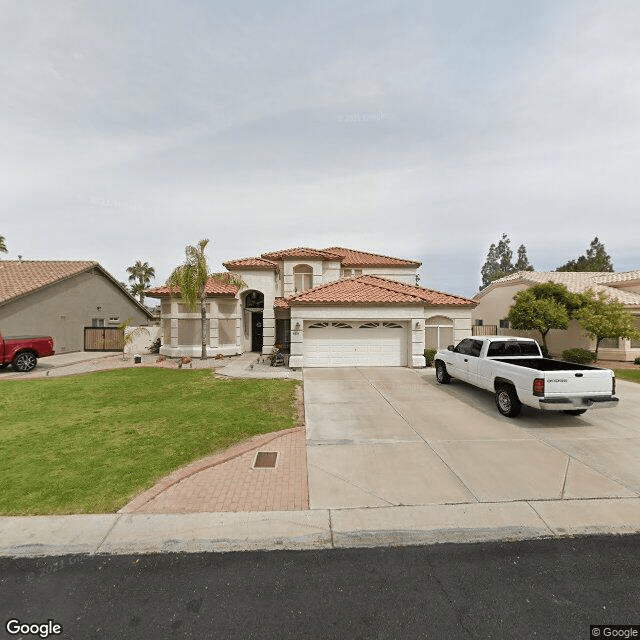
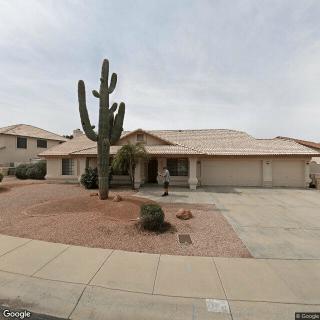
6434 W Fullam St., Glendale, AZ 85308
To contact a resident: (602) 863-9379
For more information about senior living options: (866) 208-4318
Mary's Loving Care Home Costs & Pricing
Mary's Loving Care Home offers competitive pricing for its services, particularly when compared to the broader costs in Maricopa County and the state of Arizona. For a semi-private room, residents pay $1,800 per month at Mary's Loving Care Home, significantly lower than the county average of $2,801 and the state average of $2,820. Similarly, the cost for a private room stands at $2,000 - again more affordable than Maricopa County's rate of $3,318 and Arizona's average of $3,345. This makes Mary's Loving Care Home not only a warm and inviting option but also an economically sensible choice for families seeking quality care without compromising on value.
| Floor plans | Mary's Loving Care Home | Maricopa County | Arizona |
|---|---|---|---|
| Semi-Private | $1,800 | $2,801 | $2,820 |
| Private | $2,000 | $3,318 | $3,345 |
Senior living communities with a similar price nearby
-
from +$200 / mo
Garcia's Assisted Living Home LLC
$2,000 / month19.6 miles away -
from +$200 / mo
All Stars Assisted Living
$2,000 to $2,500 / month13.1 miles away -
from +$200 / mo

Genesis Assisted Living Care Home
$2,000 to $2,500 / month15.4 miles away -
About the same
Lory's Care Home
$1,800 to $2,500 / month7.2 miles away -
from +$200 / mo
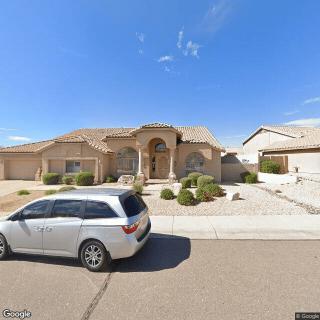
Tatum Ranch Assisted Living
$2,000 to $3,000 / month14.9 miles away
Overall Review of Mary's Loving Care Home
Pros
 They highly recommend Miriam’s Adult Care Home.
- The mother’s health and stamina have improved amazingly under the excellent care.
- The care is loving and kind, with prayers for the mother and miraculous work attributed to God.
- Mirela and the staff are a blessing from God.
Review
This community is best suited for seniors who want a genuinely intimate, home-like care setting where staff deliver very hands-on attention, personal warmth, and spiritual support as a core part of daily life. The two five-star reviews depict a caregiver team led by Mirela delivering not just basic supervision but transformative, attentive care that translates into observable improvements in health and stamina for a parent. Families drawn toward a tightly knit, faith-friendly atmosphere, where daily prayers and compassionate, consistent presence are part of the routine, will likely feel immediately at home here.
Those who should consider alternatives are families seeking robust clinical oversight, formal nursing on site around the clock, or a secular environment with a broader array of structured activities and campus amenities. When medical complexity or a need for frequent hospital-grade monitoring arises, the home-style model may fall short of expectations unless clear, dependable arrangements with outside professionals are in place. For residents who prefer a non-religious setting or a facility with a broader social calendar and more diversified programming, this option may not align with their preferences.
The most compelling pros come from the heart of the operation: highly attentive, individualized care, and palpable quality of life improvements. The reviews emphasize not only physical well-being but also the emotional and spiritual nourishment provided by daily prayers and thoughtful, compassionate interactions. The intimate scale of care appears to enable rapid response to needs, consistent routines, and a strong sense of being valued, factors that can offset modest limits in medical capabilities. In short, for families prioritizing trust, continuity, and a caregiver-family bond, the positives align closely with their essential needs.
On the con side, the main tradeoffs are the expected constraints of a small, home-based model. There is no explicit indication of round-the-clock on-site medical nursing or hospital-level supports within the content provided, so families with complex medication regimens or acute clinical requirements should probe how medical oversight is arranged, whether through on-call nursing partners, external providers, or visiting clinicians. Additionally, the depth and breadth of social or cognitive-stimulation programming may be more limited than at larger communities. These are not deal-breakers for everyone, but they are practical factors that can shape daily life and long-term satisfaction, especially for residents who crave a broader activity roster or specialized dementia care programming.
To make a confident, informed decision, families should press for specifics during visits: the exact caregiver-to-resident ratio across shifts, the availability of licensed nursing oversight, and the processes for medication management and pain control. Clarify what religious or spiritual accommodations look like in practice, including the frequency of prayers, devotional activities, and how faith-based support integrates with medical care plans. Tour meal times, living spaces, and the routine cadence to understand how a typical day feels, are there predictable transitions, opportunities for family involvement, and safe, accessible pacing for mobility needs. Request a sample care plan and check licensing details to confirm compliance with state standards in Arizona.
Bottom line: for families prioritizing a heartfelt, faith-centered, one-on-one care experience delivered in a small, homey setting, this Glendale option offers an unusually strong alignment with those values. The sentiment of gratitude toward Mirela and her staff, coupled with tangible improvements in a resident’s health and vitality, signals a high-quality match for seniors who thrive on personal connection and spiritual encouragement. For households where medical complexity, secular preferences, or expansive programming drive the decision, it is wise to compare alternatives that provide deeper clinical supports or broader activity ecosystems. A careful visit with targeted questions will reveal whether this community’s strengths meet the specific, practical thresholds of the senior’s stage and care goals.
 Board and Care Home
 Private
 Phoenix Sky Harbor International (19 miles away)


 Home Health Care Aides: Understanding Their Role and Supporting Your Family
 Urinary Tract Infections in Older Adults: Comprehensive Insights on Symptoms, Treatment, and Prevention
 California's Form 602A: An In-Depth Examination of Senior Care Assessment