
7413 North 75Th Drive, Glendale, AZ 85303
For more information about senior living options: (866) 208-4318
Overall Review of Home Away From Home Senior Assisted Living
Pros
 The owners and staff are wonderful, caring professionals in every sense.
- Filip and Ana care from the heart for every resident.
- The owners and staff provide amazing care every day.
- The owners bring in the finest activity directors for the residents, and residents are included in activities.
- They personally interact with each resident.
- Horizon Assisted Living is a Triple A Plus home where loved ones receive loving care.
- Filip and the caregivers are exceptional.
- The house is well-kept, the food is delicious, and communication is easy.
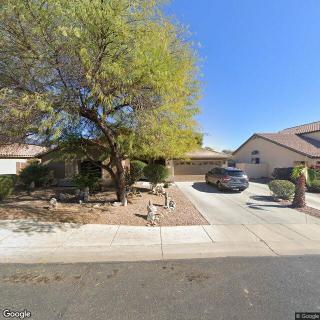
- The facility is clean, bright, and homey.
- The staff are professional, helpful, and very friendly.
- The staff treat residents like family and residents feel close to the entire team.
- The care is loving and gracious, providing comfort to families.
Review
This Glendale community is best suited for families seeking a truly intimate, hands-on care environment where a dedicated owner-operator team delivers personalized, compassionate support in a small, home-like setting. It excels for seniors with memory impairments or end-of-life needs who benefit from consistent, heart-led attention, daily interaction with caregivers, and a sense of family rather than a sterile, institutional routine. The owners, Filip and Ana, are not distant administrators; they are visible, active partners in daily care, and residents and families repeatedly emphasize that care comes from the heart. For families prioritizing warmth, continuity, and meaningful engagement, this option stands out.
Those considering alternatives should note that this model may not fit every situation. If a loved one requires robust medical oversight on-site, frequent skilled nursing, or highly structured clinical programming, a larger facility with a full-time on-site medical team and more therapy options could be a better match. Families seeking a campus with extensive memory-care infrastructure, formal clinical amenities, or a wide array of specialized services may find the scale and resources here insufficient. In short, the strengths lie in the personal touch, while the trade-off can be less breadth of medical-capability compared with bigger operators.
The strongest pro is unmistakably the level of personalized attention. Reviewers consistently describe staff and owners as attentive, compassionate, and deeply engaged with every resident. The care is described as individualized rather than routine, with staff who interact with each person as if they were family. This translates into reliable daily routines, meticulous supervision, and a sense of security for families that their loved one is known to name and needs. The home-like atmosphere, bright, clean, and well-kept, complements this personalized care, reinforcing comfort and trust that are hard to achieve in larger settings.
Another core strength is the combination of a warm environment and robust interpersonal connection. Families repeatedly highlight how the owners facilitate meaningful activities, bring in engaging programming, and maintain open, responsive communication. The setting feels serene and welcoming, with residents who appear connected to staff and to one another. Food quality is described as appealing, and the overall atmosphere supports emotional well-being, which matters greatly for someone navigating memory loss or the later stages of life. In practical terms, these factors translate into steadier moods, less agitation, and greater peace of mind for families.
Where the pros align with practical outcomes, they offset the potential downsides of a small operation. The main trade-off, the more limited clinical footprint, matters most when medical complexity spikes and frequent, on-site therapies or skilled nursing are needed. For many families, however, the benefit of a “home away from home” experience, daily reassurance, personal attention, and a sense of belonging, provides a counterweight that improves overall quality of life for residents and reduces caregiver stress. In other words, for the right resident, the emotional and relational dividends of this setting can far outweigh the absence of a larger medical corridor.
In sum, this Glendale offering represents a compelling choice for families prioritizing intimate, compassionate care delivered by owners who treat residents like family. It is hard to beat for someone who cherishes a home-like schedule, personalized daily presence, and a community built around respect, connection, and dignified aging. Prospective residents with stable medical needs and a strong preference for a warm, communicative staff will find this option highly persuasive. Those with advanced medical complexity or a demand for a large, resource-rich campus should realistically compare alternatives, ensuring that clinical needs align with the care model. The next step is a targeted visit: observe how staff interact with residents, review a formal care plan, assess staff-to-resident ratios, and confirm that the menu, activities, and consistency of communication meet the family’s expectations for comfort and care.
 5 resident community capacity
 Assisted Living
 Board and Care Home
 Respite Care
 Cable or satellite TV
 Dining room
 Fully furnished
 Garden
 Housekeeping services
 Move-in coordination
 Outdoor space
 Telephone
 Wi-Fi/high-speed internet available
 Phoenix Sky Harbor International (14 miles away)
 24-hour supervision
 Activities of daily living assistance
 Assistance with bathing
 Assistance with dressing
 Assistance with transfers
 Diabetes diet
 Meal preparation and service
 Medication management
 Special dietary restrictions
 Transportation arrangement (medical)
 Transportation to doctors appointments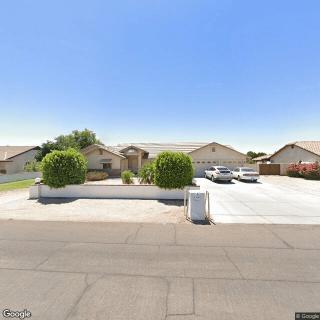



 Understanding the Distinctions: Assisted Living and Memory Care Explained
 Guiding Elderly Parents Who Refuse Assisted Living: 6 Practical Steps
 Your Comprehensive Guide to Luxury Assisted Living: Elevated Facilities, Amenities, and Costs