
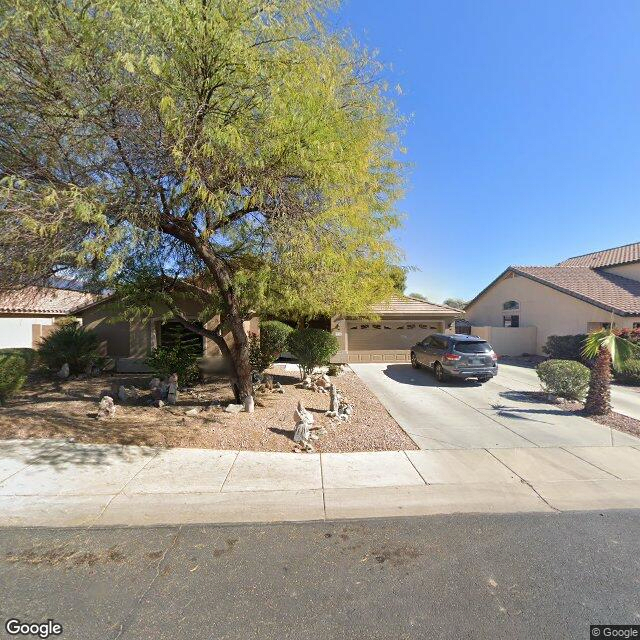
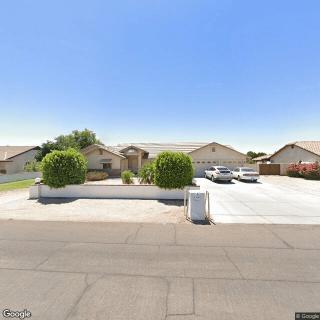
7321 North 82nd Drive, Glendale, AZ 85303
To contact a resident: (623) 842-5765
For more information about senior living options: (866) 208-4318
Adela Lupea Costs & Pricing
Adela Lupea offers competitive pricing for its accommodations compared to the broader market in Maricopa County and across Arizona. For a semi-private room, Adela charges $1,600 per month, significantly lower than the county average of $2,801 and the state average of $2,820. Similarly, their private room rate of $1,900 also reflects a substantial saving compared to Maricopa County's average of $3,318 and Arizona's overall average of $3,345. This pricing strategy not only makes Adela Lupea an attractive option for those seeking affordable living arrangements but also highlights their commitment to providing value without compromising on quality.
| Floor plans | Adela Lupea | Maricopa County | Arizona |
|---|---|---|---|
| Semi-Private | $1,600 | $2,801 | $2,820 |
| Private | $1,900 | $3,318 | $3,345 |
Senior living communities with a similar price nearby
-
from +$200 / mo
Lory's Care Home
$1,800 to $2,500 / month14.6 miles away -
from +$300 / mo
Young Life Assisted Living I
$1,900 to $2,500 / month7.0 miles away -
from +$275 / mo
Marybela's Loyal Care
$1,875 to $3,010 / month12.6 miles away -
from +$300 / mo
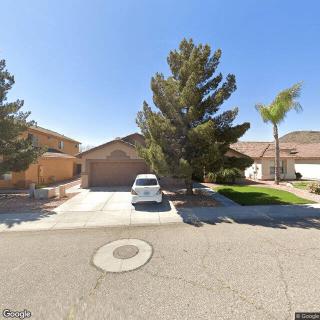
Suntown Assisted Living Home
$1,900 to $2,400 / month10.0 miles away -
About the same
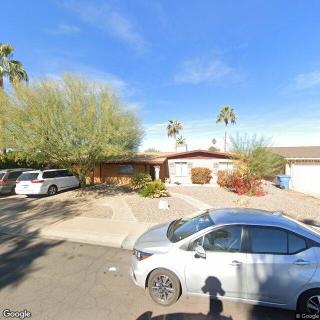
Maria's Garden Of Eden
$1,600 to $1,800 / month5.8 miles away
Overall Review of Adela Lupea
Pros
 The home was always clean and welcoming.
- The food was amazing, from fresh baked bread to wonderful home cooked meals and homemade desserts.
- Lidia made Mom's favorite recipes and asked about food options.
- Holidays and birthdays were always special.
- Mom's needs were constantly met with dignity, respect, caring and love.
- Lidia and Gabe are the most caring people you will ever meet.
- They truly go above and beyond to make this a very loving and caring home.
Cons
 He started falling several months before, and on the last day he fell twice in one morning.
- The lady was by herself, and she just could not get him up.
- If he hadn’t started falling all the time, he probably would have stayed there.
- They don’t have any kind of activities for anybody.
- It wasn’t that the staff wouldn’t do anything; it was that the residents just didn’t want to.
Review
Adela Lupea in Glendale is best suited for families seeking a warm, intimate assisted-living environment where residents are cared for as family. The strongest signal from the available feedback is a setting that feels welcoming and home-like, with caregivers who invest personally in residents’ comfort. Cleanliness and a daily rhythm that emphasizes familiar routines blend with in-house cooking that delivers a sense of home through fresh, homemade meals and attention to individual taste. Holidays and birthdays are treated as special occasions, reinforcing a culture of dignity and respect. For loved ones who prize ongoing warmth, predictable routines, and a feeling of belonging over industrial-grade programming, this community aligns with those priorities.
Who may want to consider alternatives? Residents who require heavier medical oversight, more intensive rehab support, or a broader slate of structured activities may fare better in larger communities with higher staff ratios and formal programming. The feedback from similar small-care-home settings highlights two potential gaps: a relatively lean staff presence and limited organized activities. Families should probe staffing levels, supervision during mobility, fall prevention practices, and the availability of regular, supervised social or recreational programs. If cognitive support, frequent medical monitoring, or diverse daily activities are paramount, it is prudent to compare Adela Lupea with options that provide more robust clinical services and a fuller activity calendar.
The key advantages evident in the reviews, clean, welcoming spaces; meals described as fresh and homestyle; and caregivers who are genuinely caring, create a strong emotional core that can offset a lighter activity schedule. The home-like atmosphere, paired with attentive, respectful treatment and consistent routines, can translate into residents feeling seen, valued, and secure. When daily life revolves around warm meals, personal attention, and a sense of family, emotional well-being often improves. For families prioritizing authentic connection and predictable caregiving over formal programming, these strengths are meaningful and practically important.
Still, the cautions require careful attention. A salient note from related experiences is the risk that arises when staffing is tightly balanced and mobility needs are high, illustrated by a scenario where a caregiver was managing a resident who fell twice in a single morning. While this example refers to a different home, it underscores safety dynamics that smaller facilities must manage: sufficient staff coverage, accessible lifting aids, and swift transfer assistance. Another common concern is the potential for limited structured activities, which can affect social stimulation for some residents. Before choosing, verify Adela Lupea’s current staffing model, fall-prevention tools, and the availability of organized programs that match the resident’s interests and energy level.
Practical due diligence will sharpen the decision. Arrange an on-site visit with a focused checklist on daily routines, meal service, and the quality of personal interactions. Meet the caregiving team on active shifts, review staff-to-resident ratios, and request a tour of mobility supports and safety equipment. If memory care is a possibility, confirm what cognitive-care options exist and how they are implemented. Ask for references from current families, and observe how staff respond to questions and concerns during mealtimes and routines. The right match balances warmth, nourishment, and a family-centered approach with enough structure and safety features to meet the resident’s needs.
Bottom line: Adela Lupea presents a compelling choice for families prioritizing emotional safety, consistent, personalized care, and home-style nourishment. It is well suited for residents who value dignity, personal connection, and a welcoming community atmosphere over elaborate programming or hospital-like services. Those seeking robust daily activities, extensive medical oversight, or specialized memory-care supports may want to evaluate larger providers or communities with more formal offerings. The ultimate decision should hinge on aligning the resident’s social, emotional, mobility, and medical needs with the community’s strengths, while confirming staffing levels and safety practices. When the fit is right, the outcome is not merely care but a reassuring sense of belonging and daily calm.
 Board and Care Home
 Cats allowed
 Dogs allowed
 Private
 Phoenix Sky Harbor International (15 miles away)
 Diabetic care
 High acuity care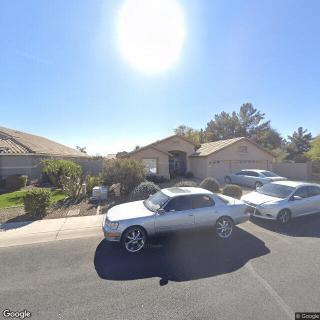



 Top Cars for Senior Drivers and Essential Safety Innovations
 A Closer Look at Private Pay Home Care
 Comprehensive Approaches for Arthritis: A Detailed Guide to Symptoms, Causes, and Care