
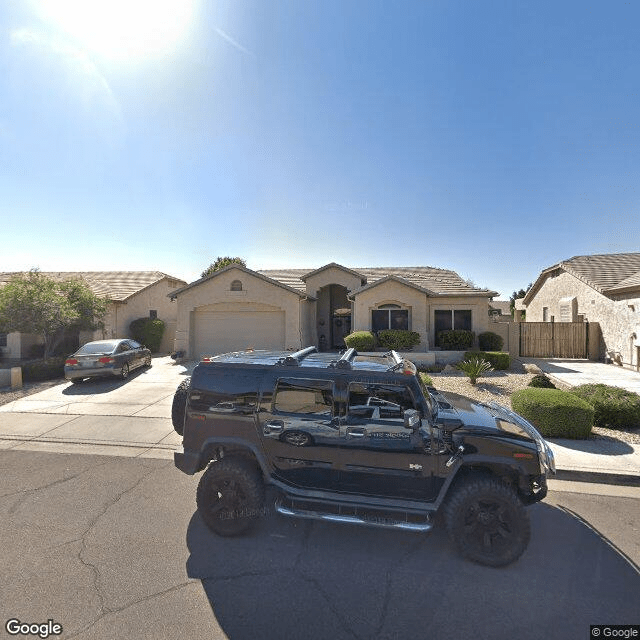
19512 N. 66th Ave., Glendale, AZ 85308
To contact a resident: (623) 362-3545
For more information about senior living options: (866) 208-4318
Highland Park Costs & Pricing
Highland Park presents a compelling value for those seeking semi-private and private room options, with costs significantly lower than both Maricopa County and the state of Arizona as a whole. At Highland Park, a semi-private room is priced at $1,700 per month, which is notably more economical compared to the county's average of $2,801 and the statewide figure of $2,820. Similarly, for a private room, residents at Highland Park would pay $1,800 monthly - again, this is much more affordable than the county's cost of $3,318 and Arizona's average of $3,345. This pricing not only highlights Highland Park's competitive advantage in terms of affordability but also underscores its commitment to providing quality care without overburdening residents financially.
| Floor plans | Highland Park | Maricopa County | Arizona |
|---|---|---|---|
| Semi-Private | $1,700 | $2,801 | $2,820 |
| Private | $1,800 | $3,318 | $3,345 |
Senior living communities with a similar price nearby
-
from +$300 / mo
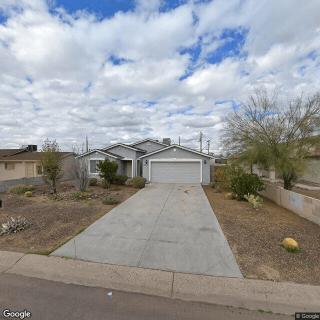
Garcia's Assisted Living Home LLC
$2,000 / month20.3 miles away -
from +$300 / mo
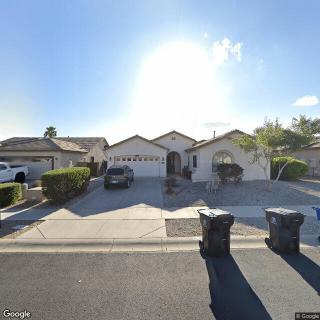
All Stars Assisted Living
$2,000 to $2,500 / month13.2 miles away -
from +$300 / mo

Genesis Assisted Living Care Home
$2,000 to $2,500 / month15.2 miles away -
from +$100 / mo
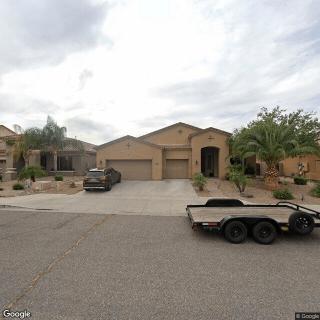
Lory's Care Home
$1,800 to $2,500 / month6.8 miles away -
from +$300 / mo
Tatum Ranch Assisted Living
$2,000 to $3,000 / month14.7 miles away
Overall Review of Highland Park
Pros
 The staff are very friendly, and accommodations are easy to arrange.
 - The reviewers have observed care and understanding for residents' physical and emotional well-being.
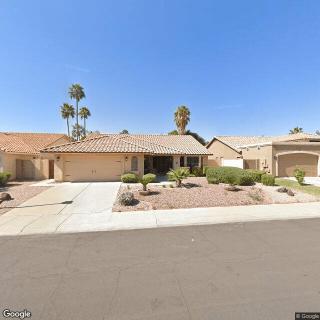
- The home is clean inside, and the backyard is well maintained with beautiful roses and an aviary.
- The reviewers rest easy knowing their mother is safe, well cared for, and in a nice place.
- They are glad they found Highland Park Assisted Living Home for their mother.
Review
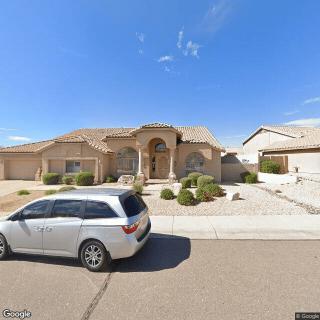
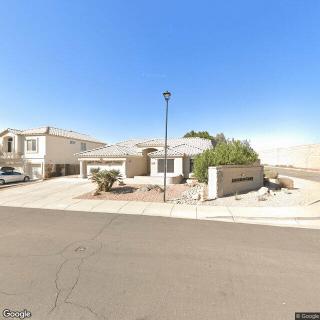
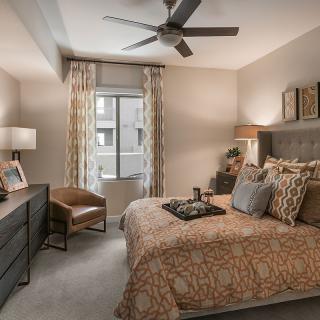
Highland Park Assisted Living Home in Glendale is best suited for families seeking a small, intimate, home-like setting where a senior can receive highly personal attention. The community’s strongest signal is steady, friendly care that prioritizes both physical safety and emotional well-being. Staff are described as easy to work with and accommodating, which smooths transitions and reduces worry for loved ones. The environment reinforces comfort: a clean interior paired with a well-tended backyard, roses in bloom, and even an aviary, all contributing to a dignified, reassuring atmosphere. For families prioritizing a calm, respectful home orientation over a campus feel, this is a compelling match.
However, certain realities point to alternatives for some residents. If medical complexity demands round-the-clock skilled nursing, frequent infusion therapy, or highly structured memory-care safeguards, a larger facility with more on-site clinical resources may be more appropriate. Prospective residents should note that pricing transparency and long-term affordability often require direct inquiry, since no detailed cost breakdown appears in the available impressions. In short, Highland Park shines as a gentle, personalized option, but it is not the best fit for anyone who needs intensive medical oversight or a broad, resource-rich campus.
The strongest positives, personalized attention, a warm staff, and a comfortable, clean setting, do a lot of heavy lifting in offsetting potential gaps. The ease with which accommodations can be made stands out: care plans can be adjusted to reflect changing needs without overwhelming bureaucracy. A home-like environment, paired with attentive supervision, improves mood, reduces anxiety, and supports consistent routines, which is often what families value most. The outdoor space and the careful upkeep contribute to a sense of security and pride in the place, which translates to fewer family concerns about safety or neglect.
By the same token, the intimate scale may limit some residents’ ability to participate in a wide array of activities or access high-level therapies available on larger campuses. The reviews imply a quieter, low-traffic rhythm rather than a bustling activity calendar, and the absence of explicit memory-care or advanced medical services means certain health trajectories may require external coordination. For those whose loved one thrives with social variety, frequent programming, or on-site specialists, these are legitimate reasons to compare alternatives before committing.
To make a well-informed decision, families should verify practical details up front. Key questions include staff-to-resident ratios, credentialing and availability of nurses for medication management, and how care plans are developed and updated. Inquire about meal options, dietary accommodations, and how daily routines are structured to support independence alongside supervision. Request a tour that includes time with caregivers, a walk through the outdoor areas, and a look at how the aviary and garden are integrated into daily life. Obtain a clear, written outline of pricing, inclusions, and what costs may arise if care needs escalate, plus any possibilities for veteran or long-term care benefits.
When priority sits with a peaceful, person-centered environment where dignity, accessibility, and reliable attention to daily needs take precedence, Highland Park stands out as a prudent choice in Glendale. The combination of friendly staff, a clean, homey interior, and an aesthetically pleasing exterior delivers real reassurance to families seeking safe, low-stress care. Those whose loved ones require more comprehensive medical arrangements, advanced memory-support, or more expansive social programming should consider alternatives that deliver broader clinical resources. For the right resident, this community represents a solid, practical option that delivers steady care without the fuss of a larger campus.
 Board and Care Home
 Cats allowed
 Dogs allowed
 Private
 Phoenix Sky Harbor International (19 miles away)

 Senior Move Management: Understanding the Role, Value, and Associated Costs
 Weight Training for Seniors: Building Strength and Vitality
 Understanding the Sandwich Generation: Stress and Responsibilities for Multigenerational Caregivers