
6245 West Kings Avenue, Glendale, AZ 85306
For more information about senior living options: (866) 208-4318
Hellens Adult Care Home Costs & Pricing
Hellens Adult Care Home offers competitive pricing for its services compared to the broader market in Maricopa County and the state of Arizona. For semi-private accommodations, residents will find that Hellens charges $2,000 per month, significantly lower than the county average of $2,801 and the state average of $2,820. Similarly, private room options at Hellens are priced at $3,000 a month, which is also more affordable than both the county's average of $3,318 and the state average of $3,345. This compelling pricing structure positions Hellens Adult Care Home as a financially viable choice for individuals seeking quality care within an inviting environment.
| Floor plans | Hellens Adult Care Home | Maricopa County | Arizona |
|---|---|---|---|
| Semi-Private | $2,000 | $2,801 | $2,820 |
| Private | $3,000 | $3,318 | $3,345 |
Overall Review of Hellens Adult Care Home
Pros
 The care home is wonderful.
- The staff are very caring toward residents.
- They provide wonderful food.
- The facility offers great care, food, and cleanliness.
- It is an amazing place for those who are cared for.
Cons
 It is very depressing.
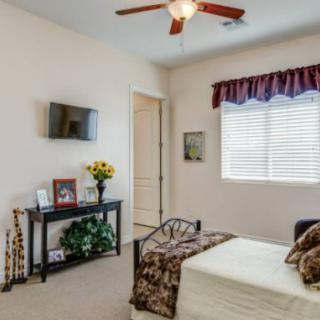
- Not much sunlight comes through the windows.
- Residents are just staring at the TV.
- There is no interaction.
- The reviewer thinks Mom would have a hard time understanding the caregiver.
Review
Hellens Adult Care Home in Glendale, AZ is best suited for families seeking a small, caregiver-led environment where warmth, reliable daily care, and home-style meals are the priority. It works well for residents who thrive on consistency, personal attention, and straightforward routines, and for loved ones who want reassurance that a team will prioritize comfort and cleanliness. The setting appears quiet and intimate rather than bustling or highly programmed, which can be ideal for seniors who are content with a calm day-to-day and who do not require extensive social programming. Those who prioritize bright, expansive spaces or vigorous social activity may want to survey alternatives before committing.
There are clear caveats. Families needing robust social programming, frequent resident interaction, and bright, sunlit spaces may want alternatives. The most pointed concern from a negative assessment is the lack of sunlight, with residents appearing largely sedentary and watching TV, plus questions about how well caregivers communicate or understand a loved one. For a person who places a premium on stimulation, cognitive engagement, or precise caregiver communication, this home may feel limiting. Those requiring higher levels of medical oversight or more dynamic activity schedules might also find the care model insufficient.
On the upside, the strongest anchors are evident: attentive, compassionate caregiving, reliable meals, and a clean, orderly environment. Staff members are described as genuinely caring, delivering consistent daily routines and personal warmth, which translates into dependable care. The food is repeatedly praised as a cornerstone of daily life, making meals something residents can look forward to. Cleanliness reinforces a sense of safety and dignity, and a well-kept setting supports peace of mind for families who value a homelike atmosphere. Taken together, these strengths create a foundation that can make a meaningful difference in daily quality of life.
Yet the drawbacks are nontrivial and cannot be ignored. The absence of sunlight and limited social interaction can dampen mood and curb engagement, which matters for seniors who need or crave more social connection and varied activities. The reviewer’s concern about potential difficulty in understanding a caregiver points to possible mismatches in communication style or training, especially for residents with hearing, memory, or cognitive challenges. If these issues progress, they can erode overall satisfaction and tied quality of life, underscoring the need for a precise fit between resident needs and the home’s programming and staff capabilities.
That said, the pros can offset the cons for the right resident. For a senior who prioritizes dependable care, steady routines, and tasty, nourishing meals in a clean, homey setting, Hellens offers a solid value proposition. Families should actively verify the care philosophy, staffing levels, and the availability of social or cognitive activities, and probe what opportunities exist for meaningful engagement and sunlight exposure. An in-person tour focused on common areas, resident interaction, daylight access, and the cadence of daily activities is essential, as is meeting with the caregiving team to gauge communication effectiveness and empathy. The right questions now can prevent later disappointment.
In the end, Hellens Adult Care Home presents a pragmatic option for families seeking a calm, compassionate, meal-focused, home-like environment where care is steady and cleanliness is non-negotiable. It is probably less suitable for residents who require robust social programming, high levels of cognitive stimulation, or a sunlit, vibrant atmosphere. For those weighing options, the next steps are clear: schedule a thorough visit, observe how residents respond to staff, review a week of menus and activity calendars, and confirm a clear, responsive communication channel with the caregiving team. When these boxes are checked, this community can be a dependable, nurturing home that delivers consistent day-to-day comfort.
 5 resident community capacity
 Assisted Living
 Board and Care Home
 Respite Care
 Activities on-site
 Bath tubs
 Beautician on-site
 Cable or satellite TV
 Devotional services on-site
 Dining room
 Fully furnished
 Garden
 Housekeeping services
 Indoor common areas
 Move-in coordination
 Outdoor common areas
 Private
 Private bathrooms
 Telephone
 Wheelchair accessible showers
 Wi-Fi/high-speed internet available
 Phoenix Sky Harbor International (18 miles away)
 24-hour supervision
 Assistance with bathing
 Assistance with dressing
 Assistance with transfers
 Diabetes diet
 Diabetic care
 High acuity care
 Meal preparation and service
 Medication management
 Special dietary restrictions
 Transportation arrangement (medical)
 Transportation to doctors appointments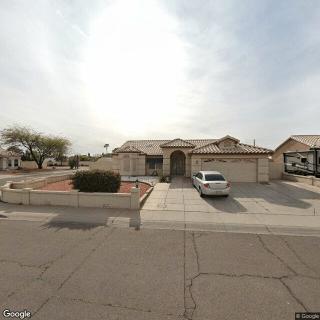



 Exploring the Path to Senior Living: A Comprehensive Look at Independent Living and Assisted Living
 Is Assisted Living Deductible on Your Taxes? Understanding the Complexities of Assisted Living Expenses and Deductions
 Assisted Living Support for Veterans: A Complete and Detailed Overview