
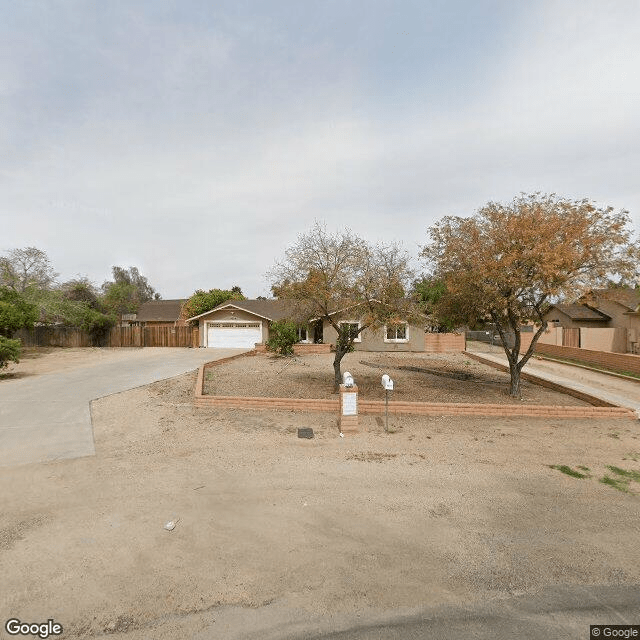
7016 West Villa Theresa Drive, Glendale, AZ 85308
For more information about senior living options: (866) 208-4318
Arizona's Golden Heart Costs & Pricing
At Arizona's Golden Heart, the costs for residents reflect a competitive pricing structure within both Maricopa County and the broader state of Arizona. For semi-private rooms, the monthly fee is set at $2,800, slightly below the county average of $2,801 and notably lower than the state average of $2,820. This positions Arizona's Golden Heart as an attractive option for those seeking affordability without compromising on quality care. In terms of private accommodations, the facility charges $3,500 per month - this figure is higher than Maricopa County's average of $3,318 but remains appealing when compared to Arizona's overall average of $3,345. Overall, these rates suggest that Arizona's Golden Heart provides a valuable balance of cost and services in a competitive landscape.
| Floor plans | Arizona's Golden Heart | Maricopa County | Arizona |
|---|---|---|---|
| Semi-Private | $2,800 | $2,801 | $2,820 |
| Private | $3,500 | $3,318 | $3,345 |
Assisted Living communities with a similar price nearby
-
About the same
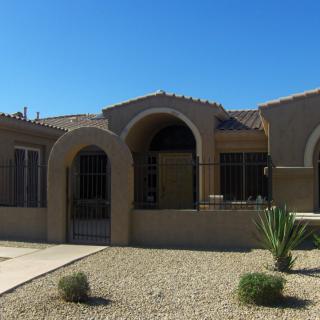
Pinnacle Peak Assisted Living
$2,800 to $3,100 / month17.6 miles away -
from +$100 / mo
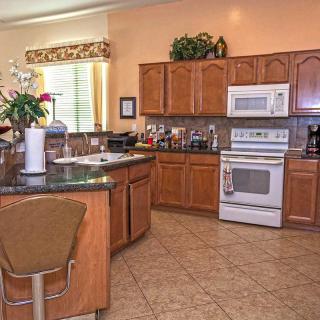
Royal Paradise Care
$2,900 to $3,800 / month8.3 miles away -
from +$200 / mo
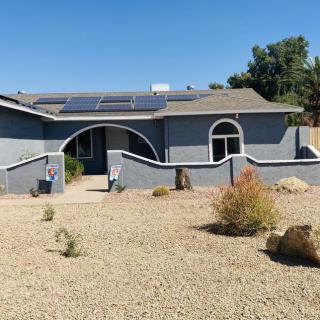
Bella Amore Assisted Living
$3,000 / month5.4 miles away -
About the same

Covenant Care Assisted Living Home
$2,850 to $3,705 / month12.1 miles away -
from -$300 / mo
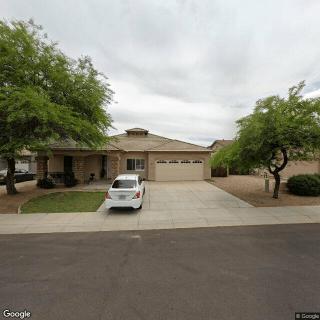
Anc Assisted Living Homes I
$2,500 to $3,500 / month14.2 miles away
Overall Review of Arizona's Golden Heart
Pros
 The room she would have been in looked wonderful.
- There was fresh food.
- The back yard was great.
- It was great and lush and wonderful.
- It would have been a great option.
Cons
 The tour experience was not good.
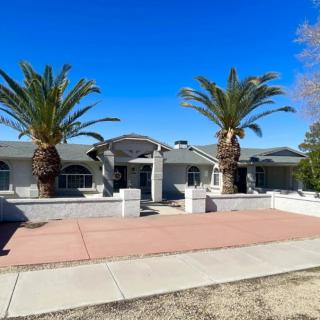
- The yard was full of weeds and the outside was unkept.
- The place was dark, the walls and baseboards needed repair and paint, and it smelled bad.
- The room shown still had the previous resident's personal belongings in it and gave them both the creeps.
- The front yard was slightly unkempt and the interior lighting was dim.
- It lacked natural light and sufficient light for reading.
Review
Arizona’s Golden Heart in Glendale is best suited for seniors who want a modest, older-home environment and can tolerate uneven upkeep, limited natural light, and a lived-in feel. The property hedges toward a homier, non-clinical vibe rather than a polished, contemporary campus. Families with a priority on pristine, well-lit spaces and consistently meticulous maintenance should consider alternatives, as those attributes are not reliably present here.
Several accounts paint a consistent picture of a property in need of attention. Tour experiences describe a yard overtaken by weeds, an exterior that reads unkempt, and interiors that feel dark and dated. Walls and baseboards show wear, and there’s a reported odor that permeates common areas and rooms. In one visit, a room presented to visitors still contained a previous resident’s belongings, which underscores a pattern of inconsistency in turnover and cleaning standards. Such recurring signs point to maintenance gaps that can affect daily comfort and peace of mind.
In contrast, the occasional positive observation reveals what could be possible in a better-match unit. One reviewer noted a room that looked wonderful, a kitchen offering fresh food, and a back yard described as lush and inviting, features that would materially improve quality of life if consistently present. An older house in a decent neighborhood can offer a familiar, non-sterile atmosphere that some residents and families prefer, especially if the unit in question is well-maintained and resident-ready. The variability between units is telling: the overall value hinges on finding the right apartment, not the property as a whole.
The main cons, persistent upkeep challenges, dim lighting, small or cluttered rooms, and a general sense of neglect, tend to overwhelm the potential benefits. Dim lighting lowers everyday usability, making reading, medication management, and navigation harder. Small rooms and clutter can impede mobility and safety, particularly for residents with walker or wheelchair needs. The combination of an aged structure and inconsistent cleanliness creates a daily friction that can sap energy and diminish the sense of security many families seek in senior living.
To make a well-informed decision, prospective residents should probe beyond the slick brochure and demand specific assurances. Request a tour of multiple rooms, including at least one unit that would be assigned to a new resident, to confirm cleanliness, lighting, and space adequacy. Inquire about maintenance response times, how often rooms are prepared between residents, and what steps are taken to address odors and cleanliness concerns. Check outdoor spaces in daylight and after dark, and ask to speak with current residents about how often common areas are cleaned and refreshed. If outdoor time and fresh meals are important, verify the consistency of those positives across units and shifts, not just in one favorable sample.
Bottom line: for seniors who prize budget-conscious, homey, non-institutional surroundings and are willing to accept the trade-offs of older construction, variable upkeep, and limited light, Arizona’s Golden Heart can be a feasible option. For families prioritizing bright interiors, pristine upkeep, and predictable environments, alternatives in Glendale are strongly recommended. The decision hinges on unit-level realities more than the property’s overall promise, seek out the best-performing unit with a critical eye, and keep conservative expectations about common spaces and maintenance.
 7 resident community capacity
 Assisted Living
 Board and Care Home
 Respite Care
 Activities on-site
 Beautician on-site
 Cable or satellite TV
 Devotional services on-site
 Dining room
 Fully furnished
 Garden
 Housekeeping services
 Indoor common areas
 Move-in coordination
 Outdoor common areas
 Private
 Private bathrooms
 Telephone
 Wheelchair accessible showers
 Wi-Fi/high-speed internet available
 Phoenix Sky Harbor International (19 miles away)
 24-hour supervision
 Assistance with bathing
 Assistance with dressing
 Assistance with transfers
 Diabetes diet
 Diabetic care
 High acuity care
 Meal preparation and service
 Medication management
 Special dietary restrictions
 Transportation arrangement (medical)
 Transportation to doctors appointments


 Assisted Living Support for Veterans: A Complete and Detailed Overview
 Exploring the Contrasts Between Assisted Living and Skilled Nursing
 8 Key Indicators That Suggest It May Be Time to Transition from Assisted Living to Skilled Nursing Care