
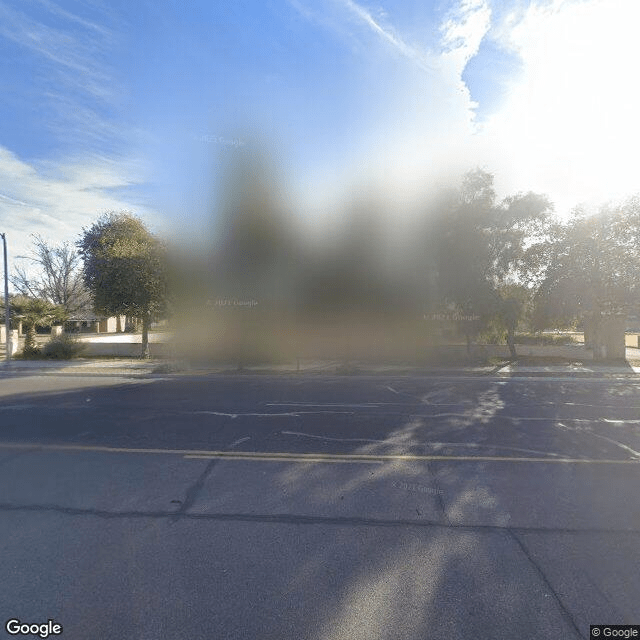
5623 North 83Rd Avenue, Glendale, AZ 85303
For more information about senior living options: (866) 208-4318
Angel Castle Care Home Costs & Pricing
Angel Castle Care Home offers competitive pricing for its residents, providing a more affordable alternative within both Maricopa County and the broader state of Arizona. For semi-private accommodations, the monthly cost is $1,600, significantly lower than the county average of $2,801 and state average of $2,820. Similarly, private rooms at Angel Castle are priced at $2,200, which stands in stark contrast to the county's average of $3,318 and state's average of $3,345. These cost advantages highlight Angel Castle Care Home's commitment to providing quality care while maintaining accessibility for families seeking supportive living arrangements.
| Floor plans | Angel Castle Care Home | Maricopa County | Arizona |
|---|---|---|---|
| Semi-Private | $1,600 | $2,801 | $2,820 |
| Private | $2,200 | $3,318 | $3,345 |
Assisted Living communities with a similar price nearby
-
from +$275 / mo
Marybela's Loyal Care
$1,875 to $3,010 / month13.3 miles away -
from -$205 / mo
Heritage Lane Behavioral - East
$1,395 to $1,750 / month24.5 miles away -
from +$300 / mo

Maravilla Scottsdale
$1,900 to $6,130 / month20.0 miles away -
About the same

Westminster Village
$1,590 to $2,045 / month20.8 miles away -
from +$200 / mo

Holy Cross Care Home
$1,800 to $2,800 / month4.6 miles away
Overall Review of Angel Castle Care Home
Pros
 The staff were extremely caring and helpful, explaining the care provided and guiding the grandmother on tours to discover available community activities.
- The facility introduced the grandmother to the senior citizen center, which sponsored bingo and arts and crafts days for her to mingle and stay engaged.
- The monthly menus and daily activities, including crocheting and knitting, were highlighted as enjoyable for the grandmother.
- The price of the facility was considered worth it, offsetting concerns about the neighborhood.
- The facility was the best choice the reviewer has ever made.
- Overall, the reviewer was impressed with Angel's Castle Care and would definitely choose it again.
Cons
 The neighborhood is a little on the "iffy" side.
- The East Valley, where she wanted to be, was a much more expensive option that wasn't feasible.
Review
Angel Castle Care Home in Glendale is best suited for families seeking a small, intimately staffed environment where personal attention is the norm and social engagement is built into every day. This community works well for an elderly loved one who thrives on structured routines, straightforward communication from caregivers, and an emphasis on activities that keep hands and minds busy. The pricing is a critical factor for many families, with the facility offering a value proposition that makes a meaningful difference when compared to pricier East Valley options. For seniors who want clear explanations of care, visible daily programming, and a setting that feels approachable rather than institutional, Angel Castle checks important boxes.
Alternatives should be considered when the priorities shift toward higher-acuity medical coverage, memory-care specialized programming, or a location with markedly different neighborhood dynamics. Families seeking robust clinical oversight, 24/7 nursing for complex conditions, or a larger campus with more extensive on-site services may find Angel Castle too limited. Similarly, if proximity to a hospital or a preferred, upscale neighborhood is non-negotiable, other communities could better align with those expectations. In short, Angel Castle excels on intimate care and engagement but is less compelling for those whose primary criterion is hospital proximity or advanced geriatric medical infrastructure.
The strongest pros are concrete and repeatedly valuable: staff who take time to explain the care approach, and a facility that welcomes prospective residents with tours that emphasize real-world activity options. The inclusion of outside community resources, such as connections to a local senior center with bingo and arts and crafts, demonstrates a deliberate effort to combat boredom and isolation. Inside the walls, residents encounter a calendar of daily activities, fine arts like crocheting and knitting among them, and monthly menus that reveal planned meals rather than ad hoc dining. Taken together, these elements create a predictable, engaging rhythm that supports mood, social interaction, and a sense of belonging, which matters deeply to families.
The principal drawback centers on the neighborhood setting, described as “iffy.” That perception can temper enthusiasm for the location, especially for families weighing safety, access, or the emotional comfort of a loved one who is unfamiliar with the area. By contrast, the facility’s affordable price and the visible commitment to activities provide a meaningful counterweight. For many, the combination of attentive staff and a well-structured social program makes the surroundings tolerable or even acceptable when the price keeps the experience within reach. The assessment should thus weigh the trade-off: secure, engaging daily life at a reasonable cost versus location-based concerns that may require extra planning or risk acceptance.
The offsetting factors are robust enough to tilt the decision toward Angel Castle for the right buyer. The care team’s approach, clear about services, willing to walk families through what will be done, and proactive in illustrating the community’s social network, provides reassurance that a loved one will be known, not just housed. The social architecture, regular group activities, arts and crafts, and access to community centers, delivers real value by preventing isolation and preserving a sense of purpose. Price stability matters as well; dollars saved here can be redirected toward additional in-home support, transportation, or specialized care if needed, without dramatically compromising daily life quality.
In the end, Angel Castle Care Home stands out as a practical, experienced choice for households prioritizing warmth, engagement, and affordability over prestige or high-acuity medical facilities. It is an especially sound option for seniors who embrace a participatory lifestyle and for families who value candid, accessible care planning. Alternatives should be seriously considered if neighborhood safety, proximity to major medical centers, or a broader range of clinical services is non-negotiable. For the right fit, a comfort-first setting that actively curates social experiences and transparent care, Angel Castle presents a compelling, well-grounded recommendation.
 5 resident community capacity
 Assisted Living
 Board and Care Home
 Cable or satellite TV
 Dining room
 Fully furnished
 Garden
 Housekeeping services
 Move-in coordination
 Outdoor space
 Private
 Telephone
 Wi-Fi/high-speed internet available
 Phoenix Sky Harbor International (14 miles away)
 24-hour supervision
 Activities of daily living assistance
 Assistance with bathing
 Assistance with dressing
 Assistance with transfers
 Diabetes diet
 Diabetic care
 Meal preparation and service
 Medication management
 Special dietary restrictions
 Transportation arrangement (medical)
 Transportation to doctors appointments


 8 Key Indicators That Suggest It May Be Time to Transition from Assisted Living to Skilled Nursing Care
 Vibrant Senior Living: A Comprehensive Guide for Active Older Adults
 When to Transition from Assisted Living to Memory Care: Key Indicators, Steps, and Finding the Right Community