
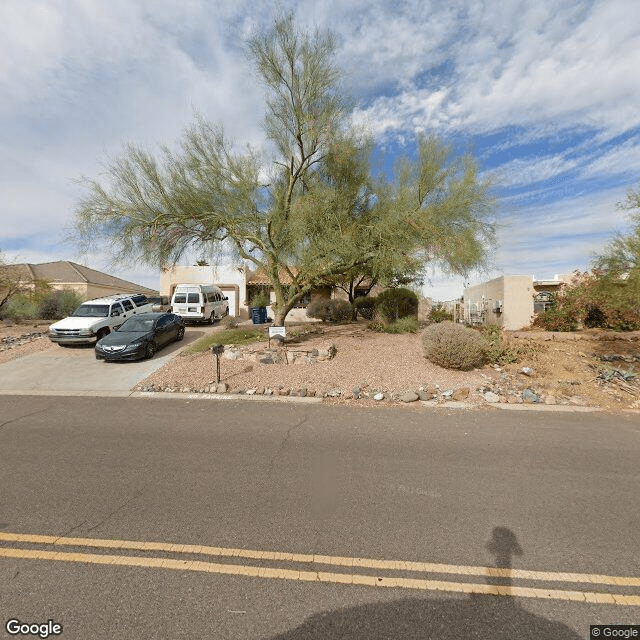
14654 North Del Cambre Avenue, Fountain Hills, AZ 85268
For more information about senior living options: (866) 208-4318
Sunrise Assisted Living Facility Costs & Pricing
At Sunrise Assisted Living Facility, residents can expect to pay $4,000 per month for both semi-private and studio accommodations. This pricing is notably higher than the average costs observed in Maricopa County and across Arizona, where semi-private rooms are available for approximately $2,801 and studios for around $3,960. For those seeking more privacy, private rooms at Sunrise come with a monthly fee of $5,000, which exceeds the county's average of $3,318. Similarly, their one-bedroom options reflect this trend in pricing at $5,000 compared to Maricopa County's average of $3,473. While the costs at Sunrise are on the higher side relative to local averages, they potentially reflect enhanced services and care tailored to residents' needs.
| Floor plans | Sunrise Assisted Living Facility | Maricopa County | Arizona |
|---|---|---|---|
| Semi-Private | $4,000 | $2,801 | $2,820 |
| Studio | $4,000 | $3,960 | $3,829 |
| Private | $5,000 | $3,318 | $3,345 |
| 1 Bedroom | $5,000 | $3,473 | $3,532 |
Memory care communities with a similar price nearby
-
from -$500 / mo
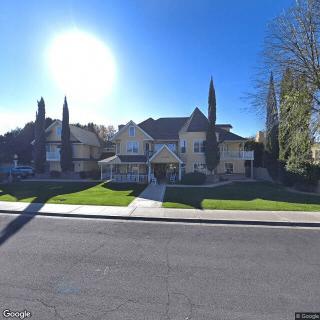
Jim & Patti Jones II
$3,500 to $4,500 / month12.1 miles away -
from -$300 / mo
Hazelwood Manor
$3,700 / month13.6 miles away -
from -$500 / mo
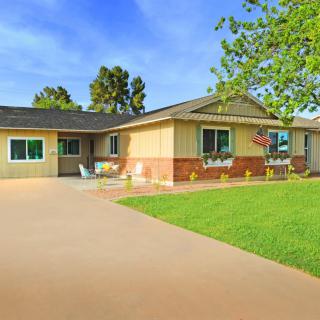
Comfy Couch Assisted Living
$3,500 to $4,000 / month17.9 miles away -
About the same
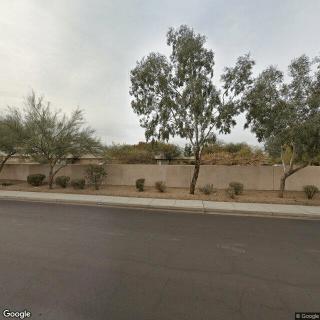
Sunshine Village
$4,100 to $4,500 / month18.0 miles away -
from -$450 / mo
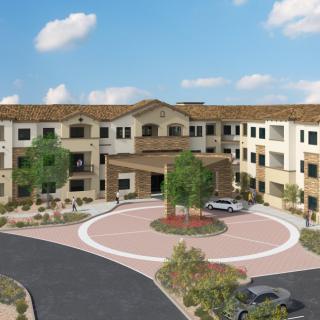
Cadence Chandler
$3,550 to $5,200 / month22.8 miles away
Overall Review of Sunrise Assisted Living Facility
Pros
 Sunrise provides very good, top-notch, and consistent care.
- The caregivers at Sunrise are experienced, caring, and accessible.
- Sunrise's owners, Nikki and Andy, demonstrate caring and professional service from the start.
- Sunrise offers a home-like atmosphere and treats residents like family.
- The food at Sunrise is amazing.
- Sunrise takes the time to learn each resident's likes and dislikes and meets their needs.
- The Sunrise team is attentive to residents' needs and also cares for families' wellbeing.
- The facility is beautiful, and the owners are among the nicest people.
Cons
 The big corporate assisted living facility was a huge mistake.
- At that facility, she was one needy patient among 29 others for two caregivers.
- She became hypoxic there and was taken to the hospital, nearly dying.
- The family would not take their mother back to the corporate facility.
- The resort-style amenities of the corporate facility misled them and did not compensate for the poor level of care.
Review
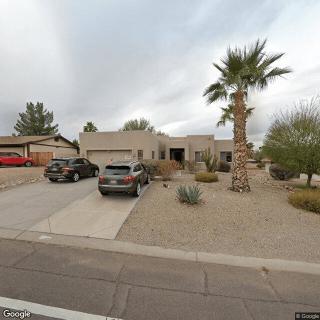
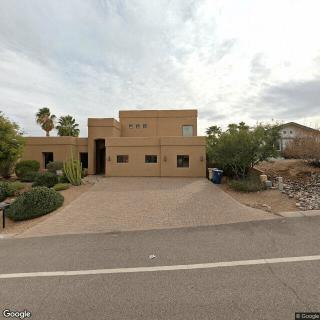
Sunrise Assisted Living Facility in Fountain Hills is best suited for families seeking a tightly run, intimately staffed home-like environment where a loved one, especially someone dealing with dementia and limited mobility, receives exceptionally personalized attention. This community distinguishes itself by a small resident cohort, with owners who live on the premises and directly participate in daily care. The setting feels less like a hospital wing and more like a private home, where caregivers know residents’ preferences, routines, and histories, and where family members are kept in the loop in a meaningful, ongoing way.
Those weighing Sunrise against other options should consider alternatives if the priority is large-scale amenities or a broad, corporate infrastructure. Families drawn to resort-style campuses, expansive activity calendars, or intensive on-site medical programming may be disappointed by the more intimate footprint Sunrise offers. The same applies if a higher volume of direct medical staff, complex rehabilitation services, or a breadth of specialist staff is non-negotiable. In short, Sunrise excels as a personal, home-centered care setting, but it operates with a scale that may not meet every expectation for every clinical need.
The strongest selling points hinge on the human touch: remarkably attentive, experienced caregivers who are accessible and communicative; owners who are hands-on and genuinely invested in residents’ welfare; and a home-like atmosphere that reinforces dignity and routine. Reviews repeatedly highlight the care team’s consistency, the time they dedicate to individual residents, and the sense that staff treat residents with the same patience and consideration as family. The meals rise above typical expectations with thoughtful preparation and a focus on residents’ likes and dislikes, which reinforces a sense of being seen and respected.
This constellation of advantages offsets the lack of scale by creating a high-engagement, low-uncertainty experience for families. When care teams live on site and communicate openly, the chance of missed needs or delayed responses dwindles; families feel heard, and residents benefit from stable, ongoing relationships with caregivers who know their history. For families grappling with dementia care, that combination of continuity and personal attention can translate into fewer crises, calmer days, and a sense that the care plan is being continually refined in concert with loved ones.
A realistic caveat centers on the trade-off inherent in a smaller operation. For families whose loved one requires around-the-clock medical oversight, frequent on-site specialists, or a programmatic depth beyond what a small facility typically offers, Sunrise may not fully satisfy those needs. The very strengths, personalization, direct owner involvement, and a home-like culture, also imply a leaner structural footprint. If safety nets like larger staffing pools, more expansive campus resources, or a broader menu of therapeutic services are non-negotiable, alternative communities deserve consideration.
Bottom line: Sunrise is a compelling choice for families who prioritize dignity, individualized attention, and a warm, home-like environment where dementia care is treated with hands-on, compassionate vigilance. It is less suited for those chasing a high-traffic, resort-caliber experience or heavy on-site medical programming. Prospective buyers should arrange a tour with Nikki and Andy, ask pointed questions about daily staffing, meal planning, and how care plans are updated, and observe firsthand how residents interact with the staff. For many families, this intimate, family-led model delivers the balance of stability, warmth, and respect that families say they value most.
 10 resident community capacity
 Assisted Living
 Board and Care Home
 Day Program
 Memory Care
 Beautician on-site
 Cable or satellite TV
 Devotional services off-site
 Dining room
 Fully furnished
 Garden
 Housekeeping services
 Indoor common areas
 Move-in coordination
 Outdoor common areas
 Private
 Private bathrooms
 Respite or short term stays offered
 Telephone
 Wheelchair accessible showers
 Wi-Fi/high-speed internet available
 Phoenix Sky Harbor International (21 miles away)
 24-hour supervision
 Ambulatory care
 Assistance with bathing
 Assistance with dressing
 Assistance with transfers
 Diabetes diet
 Diabetic care
 High acuity care
 Incontinence care
 Meal preparation and service
 Medication management
 Special dietary restrictions
 Transportation arrangement (medical)
 Transportation to doctors appointments



 Memory Care Pathways: A Holistic Guide to Dementia Support
 Comprehending Evening Confusion in Dementia: Causes, Manifestations, and Support
 Delirium and Dementia: Unraveling the Key Differences