

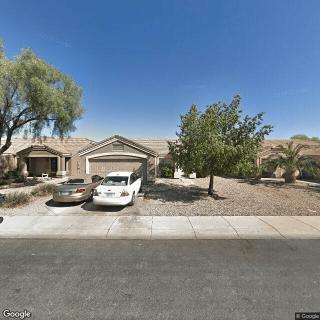
14801 North B St., El Mirage, AZ 85335
To contact a resident: (623) 444-7406
For more information about senior living options: (866) 208-4318
Overall Review of Heart to Heart Adult Care Home
Pros
 The caregivers were described as the best in the world for taking care of her until she passed.
- The facility was consistently clean and free of smells.
- Residents received three home-cooked meals daily and were kept clean.
- The staff never turned family members away and prioritized the mother’s care.
- A strong, appreciative relationship was built between the family and the caregivers.
Review
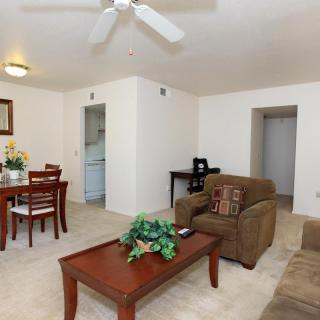
Heart to Heart Adult Care Home in El Mirage, AZ is best suited for families seeking an intimate, home-like living arrangement where daily care feels personal, consistent, and openly attentive. The experience described highlights a small team of caregivers who form relationships with residents and their families, not a distant, institutional routine. It is especially appealing to those who value cleanliness, regular home-cooked meals, and reliable access to caregivers without navigating a large campus. For a loved one who benefits from a stable, low-traffic setting, where staff remember names, routines stay predictable, and visits are welcomed without drama, this facility delivers the kind of everyday comfort that quiets worries about quality of life.
Those weighing alternatives should consider what level of medical oversight and programming is truly required. If 24/7 licensed nursing on-site, continuous clinical monitoring, or dementia-specific programming are essential, this small home-style model may not meet all needs. Families with a loved one needing complex wound care, frequent interventions, or aggressive medical management would want to verify nursing availability and on-call access. Larger assisted living communities or memory-care campuses often advertise more formal care plans, structured activity calendars, and transportation services. In short, Heart to Heart excels in warmth and daily nourishment, while those seeking a more clinical or resource-rich environment should compare options carefully.
Key pros and how they offset potential drawbacks: cleanliness and a smell-free environment matter immensely for comfort and infection control, and the setting’s upkeep appears consistently strong. The claim that residents receive three home-cooked meals daily directly supports nutrition and reduces meal-time stress for families. The emphasis on caregivers who are genuinely attentive, accessible, and deeply involved translates into lower family stress and greater continuity of care for residents. The ability to visit without restriction and to build trust with staff strengthens emotional well-being and eases transitions from home. Taken together, these positives largely offset concerns about the lack of explicit information on clinical services or long-range care planning.
That said, certain gaps deserve careful follow-through during due diligence. The supplied observations emphasize praise but provide little data on staff-to-resident ratios, nursing availability, medication management, or emergency procedures. There is no explicit information about activity programming, transportation options, or memory-care specialization. Prospective families should confirm what happens when medical needs escalate, who administers meds, and how quickly on-site staff can respond to overnight issues. A small, home-based setting can deliver warmth, yet may limit access to resources often highlighted by larger facilities. Clarity on these points will help determine whether this option truly fits evolving health needs.
Practical steps for families evaluating this choice are clear. Arrange a candid tour and observe the daily rhythm, meal preparation, cleanliness practices, resident interactions, and visible staff engagement. Request a written care plan, verify meal scheduling and accommodations for dietary restrictions, and confirm consistency of caregiving teams. Inquire about visiting hours, flexibility for family involvement, and the process for addressing emergencies or health changes. Seek recent references beyond a single review to gauge consistency, and benchmark against alternatives offering more formal nursing oversight or memory-care features. The objective is to ensure alignment with the elder’s preferences and the family’s comfort level.
Bottom line: Heart to Heart Adult Care Home stands out for families prioritizing intimate, ongoing caregiver relationships, a clean, home-like setting, and dependable daily routines that emphasize nourishment and dignity. It offers a compelling option for those who value warmth, accessibility, and a low-stress environment where staff invest in residents and families. Those needing extensive clinical management, skilled nursing, or dementia-focused programming should explicitly compare options to avoid unmet expectations. When there is alignment between the resident’s needs and this community’s strengths, the decision becomes straightforward: this is a solid, practical fit capable of delivering steady, compassionate care that many aging loved ones require.
 Board and Care Home
 Phoenix Sky Harbor International (22 miles away)




 Understanding Hospice Care at Home: Comprehensive Services, Key Benefits, and Eligibility
 Understanding the Full Cost of 24/7 In-Home Care: A Detailed Overview
 Exploring the World of Home Health Nurses: Qualifications, Roles, and Hiring Tips