
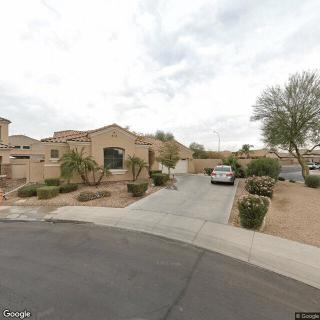
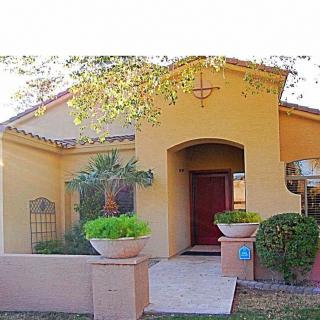
2821 East Iris Drive, Chandler, AZ 85286
For more information about senior living options: (866) 208-4318
Overall Review of Green Acres Assisted Living Home
Pros
 Grace Assisted Living Home is described as clean, inviting, and well staffed with caring professionals.
- The caregivers at Grace are caring, considerate, competent, and provide ongoing information about residents' well-being.
- The staff treat residents as cherished and respected family members, especially during recovery.
- Families experience peace of mind knowing their loved ones receive thorough care and support at Grace.
- The home maintains open communication with families and consistently meets high standards of care.
- Becky, Stacey, Judy, and Robert are repeatedly praised for their compassionate, attentive, and personal care.
- Grace is consistently recommended by families as the best choice for their loved ones.
Cons
 One reviewer would give no stars, accusing the Grace facility of violating patient care rights.
- The reviewer claimed that patients are charged $3,700 per month for in-room phones, yet staff won’t connect calls to patient rooms, violating privacy rights.
- The reviewer said staff do not identify themselves when callers contact the facility.
- The reviewer alleged that vulnerable adults are financially exploited.
- The reviewer noted that the facility changed its Google-listed phone number several times within days, calling the place dishonest and shady.
- The reviewer described the place as dishonest and shady.
Review
This community is best suited for families seeking an intimate, high-touch care environment where seniors are treated like family and care is delivered in a home-setting. It excels for residents who need daily assistance, steady emotional support, and a strong caregiver presence day and night. The setting is deliberately small, room for about five residents, so the right match is someone who values highly personalized attention, frequent family communication, and staff who can quickly read and respond to changing needs, especially during recovery from illness or after a hospitalization.
Those who may want to consider alternatives should have clear requirements for higher-acuity medical oversight, memory-care programs tailored to more advanced dementia, or a desire for a larger, more resource-rich campus with broader programming. The reviews reflect a superbly caring, low-key home, but the limited size and footprint mean fewer on-site amenities, fewer peers for social variety, and less intensive clinical infrastructure than bigger assisted living or specialized memory-care facilities. For families prioritizing formal medical workflows, large activity calendars, or robust on-call specialists, other options may better fit.
The strongest pros consistently cited, compassionate, patient, and competent staff; open, frequent family communication; and a clean, welcoming environment, align to offset the main trade-off of size. Caregivers are described as treating residents as treasured family members, with staff available around the clock and a readiness to share detailed updates on health status. The home-like atmosphere, calm, clean, with opportunities for meaningful interactions, helps reduce stress for both residents and families, which matters deeply when navigating recovery from stroke or ongoing cognitive challenges. In short, the care quality is highly personal, and that level of humanity often translates into better daily well-being and peace of mind.
Yet the small-operational model brings legitimate cautions. Prospective families should weigh the limited resident capacity against the breadth of services offered; there may be fewer specialized programs or therapeutic offerings than larger facilities. The reviews converge on the message that staff know residents well and respond with warmth, but the footprint naturally constrains things like group activities or nursing resources that only arrive as supply and demand permit. And while the consensus is overwhelmingly positive, one star on the roster signals the importance of verifying rights protections, privacy practices, and financial arrangements directly with the team to ensure alignment with expectations before committing.
From a decision-maker’s perspective, this community earns consideration for scenarios where peace of mind, trust, and continuity of relationships trump scale and breadth of programming. It is particularly well-suited for families who want strong hands-on care for stroke recovery, dementia-related needs, or routine assistance in a setting that feels like home. The compelling evidence of responsive communication and genuine staff investment supports a choice that prioritizes daily dignity and emotional security for an older adult who thrives on familiar routines and close caregiver connections. Visitors should plan to meet the team, Becky, Robert, Judy, and others, and observe the interactions that demonstrate the level of attentiveness described.
The bottom-line verdict is practical and decisive. For families seeking a warm, intimate, and consistently communicative care home in Chandler, Grace Assisted Living Home (the small, five-resident setting operated with round-the-clock staffing) stands out as a strong, trustworthy option. It delivers remarkable personal attention, strong family contact, and a supportive environment that can make a real difference in recovery and daily quality of life. Alternatives should be considered only if the resident’s needs require more extensive medical oversight, a broader social calendar, or a larger-scale dementia program. In those cases, look for facilities that promise equivalent transparency, but with the scale and clinical resources that such needs demand.
 5 resident community capacity
 Assisted Living
 Board and Care Home
 Respite Care
 Cable or satellite TV
 Dining room
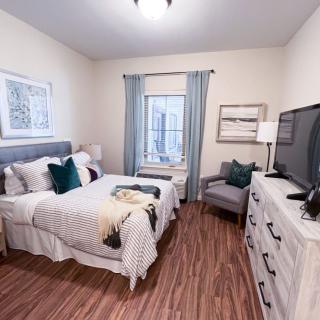
 Fully furnished
 Garden
 Housekeeping services
 Move-in coordination
 Outdoor space
 Telephone
 Wi-Fi/high-speed internet available
 Phoenix Sky Harbor International (18 miles away)
 24-hour supervision
 Activities of daily living assistance
 Assistance with bathing
 Assistance with dressing
 Assistance with transfers
 Diabetes diet
 Meal preparation and service
 Medication management
 Special dietary restrictions
 Transportation arrangement (medical)
 Transportation to doctors appointments



 Funding and Affording Assisted Living: A Thorough Overview
 Assisted Living Expenses and Long-Term Care Insurance: A Comprehensive Exploration
 Securing Financial Support for Assisted Living: A Comprehensive Overview