
5700 West Park Avenue, Chandler, AZ 85226
For more information about senior living options: (866) 208-4318
Overall Review of Desert Stream Assisted Living Home 2
Pros
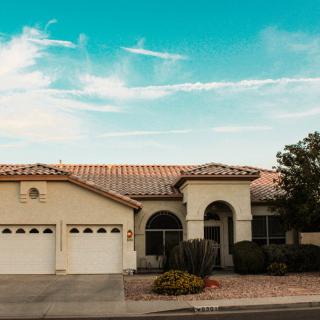
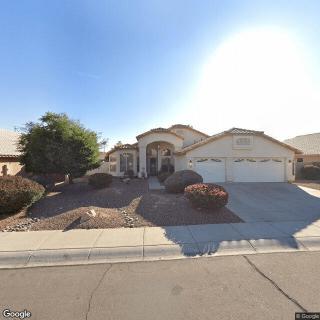
 The facility is well kept and attractive inside and out.
- Visitors are impressed by the pretty interior and the good care residents receive.
- They feel they’ll be in the best of hands.
- He loves this group home; the caregivers are top notch and truly care about him.
- The owners spent time with the family to understand their mom’s needs.
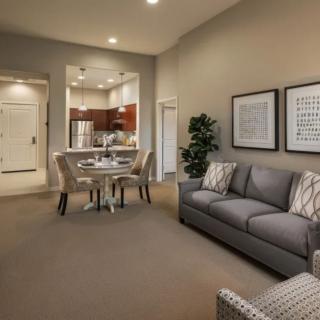
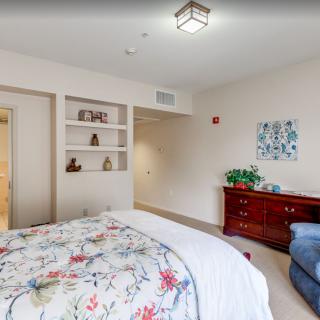
- The homes are spacious, beautifully decorated, cozy, and comfortable.
- The caregivers are friendly, kind, and go out of their way to take care of mom.
- She eats every home-cooked meal at the table.
- The family is amazed by the positive difference the Desert Breeze care has made in her behavior.
- They highly recommend meeting the Collados and touring their homes.
Cons
 The reviewer states that the mom’s previous assisted living home was inferior.
- They describe the previous residence as a subpar house.
Review
Desert Stream Assisted Living Home 2 in Chandler, AZ is best suited for families seeking a truly home-like, intimate care setting where attention to residents feels personal and consistent. This is the option for seniors who thrive in a cozy, spacious house environment, where caregivers know names, routines, and preferences, and where meals are shared at the table rather than served in a public dining hall. The reviews consistently highlight a warm atmosphere, attractive interiors, and staff who deliver caregiving with genuine warmth. It works especially well for residents who benefit from a calm, committed team, a family-room style everyday life, and dementia-informed attention that keeps daily moments meaningful and social.
Those who should consider alternatives are families needing a larger campus with broader on-site medical services, comprehensive rehab programs, or a more structured, high-traffic activity calendar. Desert Stream’s small-home model naturally emphasizes intimate care and daily living in a home setting, which may translate to fewer on-site clinicians, less formal programming, and a slower pace than bigger communities. Families with residents who require intensive 24/7 medical oversight, complex wound care, or demanding therapy schedules may find a larger, staffed campus a better fit. Additionally, the reality of limited openings can be a hurdle for families in urgent need, requiring patience or exploration of other options.
The strongest pros center on care quality and a truly inviting environment. The homes are described as well kept, spacious, beautifully decorated, and cozy, which already reduces stress for frail or anxious elders. Caregivers are repeatedly praised as top notch, kind, attentive, and genuinely invested in individual residents. The owners’ hands-on approach matters: they spend time on the phone learning needs and tour multiple properties to ensure a proper match. The daily life picture is compelling: a resident who enjoys being part of a family room, engaging in quiet activities, eating home-cooked meals at the table, and receiving personalized attention that improves behavior and mood. Even dementia care is highlighted as feeling more engaging and dignified than in other settings.
These advantages offset the main drawbacks in a practical, if not flashy, way. A small-home environment fosters accountability and continuity; families can count on a consistent team knowing the resident’s history, preferences, and triggers. The intimate setting makes it easier to tailor routines, respond quickly to changing needs, and keep loved ones socially connected through regular, informal interactions, meals, games, and TV time in a common space mimic a true family tempo. The scarcity of openings, while inconvenient, becomes a proxy for quality: it signals that the homes maintain high standards and attract steady demand because families see real value in the care and environment provided.
Nevertheless, a candid assessment recognizes potential cons that may influence a decision. The limited capacity inherent in a small, family-style operation means waitlists are common, and placement may require flexibility or extended planning. For residents who require robust on-site clinical services, intensive rehab, or a more regimented activity schedule with wide-ranging professionals, a larger community could deliver more straightforward access to those resources. Prospective families should verify how the care plan would scale if medical needs shift or if more specialized therapies become necessary, and confirm upfront about any limits in transportation, on-site therapies, or emergency support.
In sum, Desert Stream Assisted Living Home 2 is a strong recommendation for families prioritizing a warm, neighborly atmosphere, attentive caregiving, and a home-centered daily rhythm that supports dignity and social engagement. It is especially compelling for residents with dementia-friendly needs who respond to consistent, compassionate staffing and a layout that feels like a welcoming home rather than a clinic. For those who require extensive medical programming or brisk, highly varied activity calendars, or who must move quickly due to urgent care demands, alternatives with larger teams and broader on-site services should be considered. A thoughtful next step is to meet the owners, Wilma and Brendy Collado, and request time with caregivers to observe how care plans translate into daily life, ask about wait times, and confirm how shared spaces and meals would look for the specific loved one.
 5 resident community capacity
 Assisted Living
 Board and Care Home
 Respite Care
 Cable or satellite TV
 Dining room
 Fully furnished
 Garden
 Housekeeping services
 Move-in coordination
 Outdoor space
 Telephone
 Wi-Fi/high-speed internet available
 Phoenix Sky Harbor International (9 miles away)
 24-hour supervision
 Activities of daily living assistance
 Assistance with bathing
 Assistance with dressing
 Assistance with transfers
 Diabetes diet
 Meal preparation and service
 Medication management
 Special dietary restrictions
 Transportation arrangement (medical)
 Transportation to doctors appointments



 Vibrant Senior Living: A Comprehensive Guide for Active Older Adults
 When to Transition from Assisted Living to Memory Care: Key Indicators, Steps, and Finding the Right Community
 Assisted Living and Memory Care: Understanding Their Core Differences