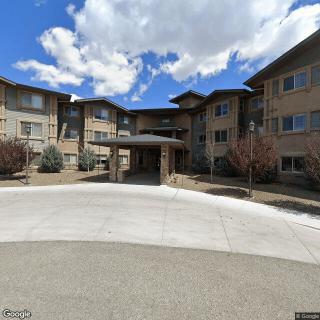
1625 South Sullivan Lane, Camp Verde, AZ 86322
For more information about senior living options: (866) 208-4318
Overall Review of Inge's Uniquely Warm Assisted Living Home
Pros
 Inge is incredibly caring and compassionate, blending love with professional expertise.
- The care environment feels like a warm, home-like setting where residents are respected and supported.
- Inge is described as an angel whose love, gentleness, and strength inspire trust.
- Families feel grateful and at peace knowing their loved ones thrive under Inge's attentive, holistic care.
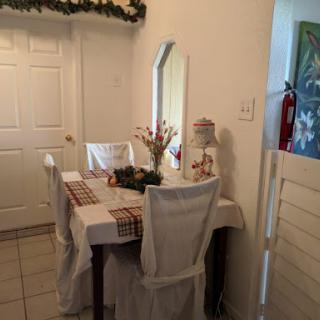
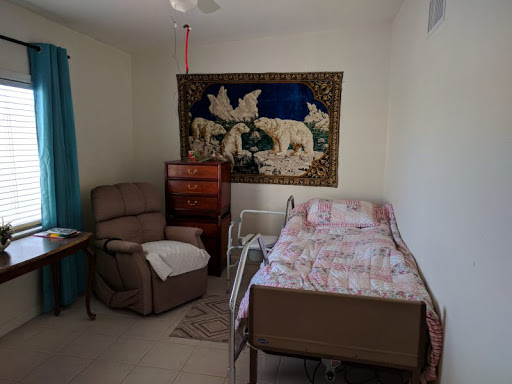
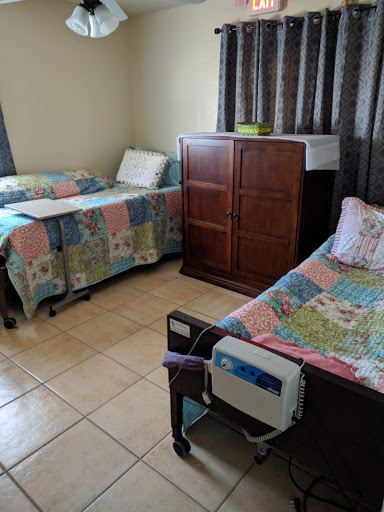
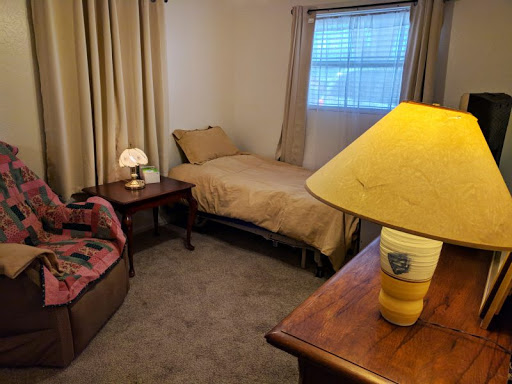
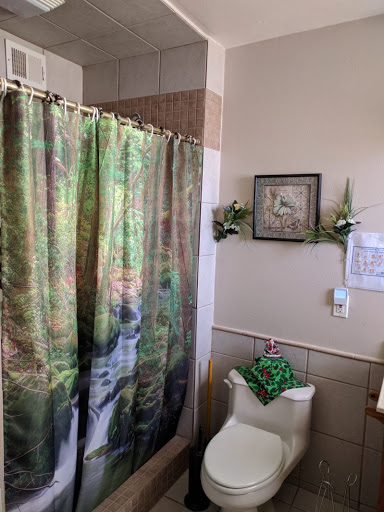
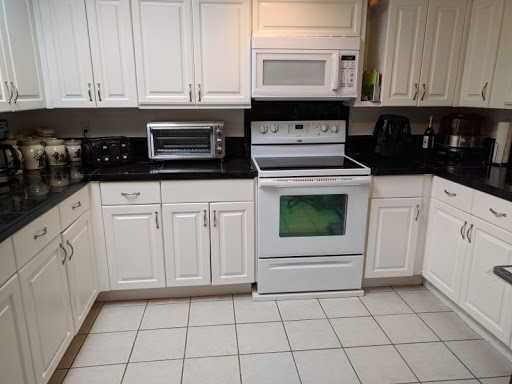
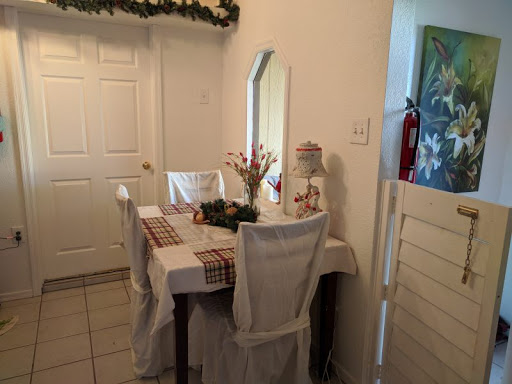
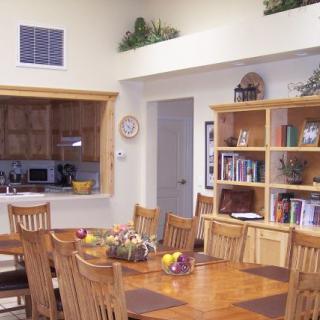
- The facility is warm, welcoming, safe, and tranquil, leaving visitors with a sense of comfort.
- Inge provides individualized care, including home-cooked meals and attentive, around-the-clock support when needed.
- Her approach meets residents exactly where they are, offering spiritual and professional care.
- Healthcare professionals regard Inge as a gift to the world and a labor of love.
Cons
 This home care place is a complete disaster.
- The owner's son, with a rap sheet that reads like a crime novel, is not someone you want near vulnerable patients.
- Patients are left marinating in their bodily fluids, and meals are as scarce as a desert oasis.
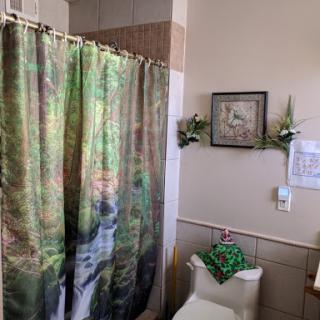
- There were cameras all over the home, including the bathrooms, which is an invasion of privacy for residents and visitors.
- The owner is rarely available, appearing to be away and leaving care inconsistent.
- This facility is described as a ticking time bomb of negligence.
- The reviewer would not place a loved one here or recommend the facility to anyone seeking dignified care.
Review
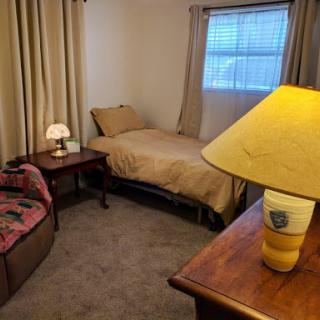
Inge’s Uniquely Warm Assisted Living Home in Camp Verde is best suited for families seeking a genuinely homelike, relationship-driven care setting where warmth, personal attention, and spiritual comfort take priority over institutional polish. This community shines for residents who value constant, hands-on care from an owner-operator who is present, approachable, and deeply committed to individual well-being. It is well-matched for seniors who prefer intimate, home-like surroundings, where meals are individualized, days move at a steady, predictable pace, and medical needs can be managed without the rigidity of a larger facility. Those who want active, continuous medical oversight or a highly structured, deadline-driven routine may find other options more aligned with their expectations.
Alternatives deserve consideration for families who require broader professional oversight, larger staff teams, or more formalized systems. A handful of reviews raise concerns about privacy, medication scheduling, and consistent on-site supervision, suggesting that a facility with a bigger footprint and more formal governance could offer greater transparency and predictability. Families who prize absolute privacy and a strictly clinical environment, free from questions about who is overseeing operations at any given moment, may prefer a multi-wing community with on-site administrators and dedicated memory-care or skilled-nursing pathways. In short, the strongest case against this home centers on the desire for heightened institutional safeguards, verifiable staffing ratios, and explicit, documented processes.
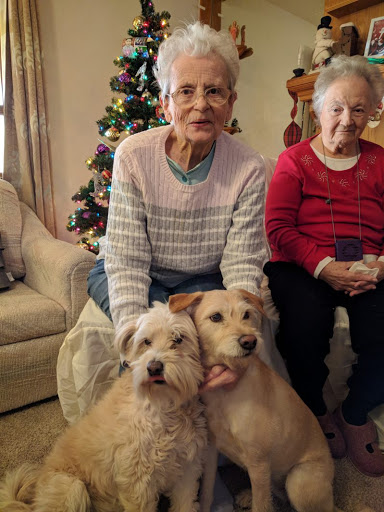
On the plus side, the major strengths are hard to ignore. Inge herself emerges as the core asset: a caregiver with decades of experience, whose combination of steadiness, tenderness, and practical professionalism creates a trustworthy, almost familial bond with residents and families. The environment feels safe, tranquil, and remarkably welcoming, with a palpable emphasis on dignity and connection. Reviewers repeatedly note home-cooked meals, individualized nutrition, and a rhythm that honors residents’ needs and preferences, rather than forcing conformity. A holistic care philosophy, embracing emotional support, spiritual peace, and even elements like aromatherapy and nutrition, appears to be more than cosmetic; it informs daily life and end-of-life experiences in a way that many families say is priceless. The presence of two friendly dogs and a front-porch serenity add to the sense that this is a space where life can feel meaningful and comfortable.
Yet, a minority of voices flag substantive concerns that cannot be dismissed. One account describes rotten food, inconsistent meal quality, and a caregiving pattern that leaves a family feeling uneasy about daily routines. Another review questions privacy and surveillance practices, noting cameras that intrude on residents’ private moments alongside assertions about staff engagement and accessibility. A particularly troubling critique centers on the impression that the owner is rarely present and that safety or caregiving standards may slide when oversight is thin. While these accounts are not the consensus, they create a cautionary counterpoint that merits careful verification through direct observation, candid conversations with the care team, and a clear understanding of day-to-day operations before any decision.
The key pros, uncompromising compassion, a warm home atmosphere, personalized nutrition, and a spiritually attuned approach, do offset the main cons for families who prioritize heart-centered care and a sense of belonging over formal institutional credentials. When a resident needs a steady, empathetic presence that treats caregiving as a calling rather than a job, the benefits can translate into steadier mood, better daily function, and a more peaceful transition through life’s stages. The smaller scale tends to mean less impersonality, quicker responsiveness, and deeper, ongoing relationships among residents, staff, and families. In such a setting, the right match hinges on shared values: a belief that care is a holistic journey, not merely a schedule of tasks.
For families weighing this option, a practical plan matters. Begin with a deliberate, unannounced visit to observe how meals are handled, how care tasks unfold, and how the space feels when the home is bustling versus quiet. Ask for specific, current staffing levels, the medication management process, and the frequency of on-site supervision. Probe how emergencies are managed after hours and what protocols exist for memory-care or dementia-specific needs. Clarify privacy expectations around cameras and how resident autonomy is protected within safety measures. If spiritual or holistic elements are important, request concrete examples of how aromatherapy, nutrition, and emotional support are integrated into daily routines. If these inquiries align with the family’s priorities, Inge’s Uniquely Warm Assisted Living Home stands out as a compelling, deeply human option worth pursuing; if they do not, a larger, more regimented community may be a more appropriate choice.
 5 resident community capacity
 Assisted Living
 Activities on-site
 Cable or satellite TV
 Devotional services off-site
 Dining room
 Fully furnished
 Garden
 Housekeeping services
 Indoor common areas
 Move-in coordination
 Outdoor space
 Telephone
 Wi-Fi/high-speed internet available
 24-hour supervision
 Ambulatory care
 Assistance with bathing
 Assistance with dressing
 Assistance with transfers
 Diabetes diet
 Diabetic care
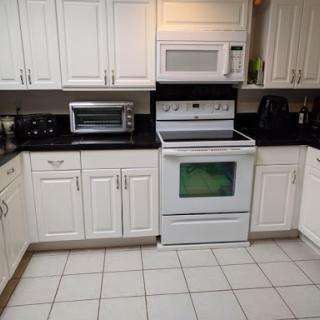
 Meal preparation and service
 Medication management
 Special dietary restrictions
 Transportation arrangement (medical)
 Transportation to doctors appointments




 Understanding the True Cost of Assisted Living in 2025: A Comprehensive Guide
 Understanding Medicaid Coverage for Assisted Living: A Comprehensive Guide
 How and When Medicaid May Cover Assisted Living Costs