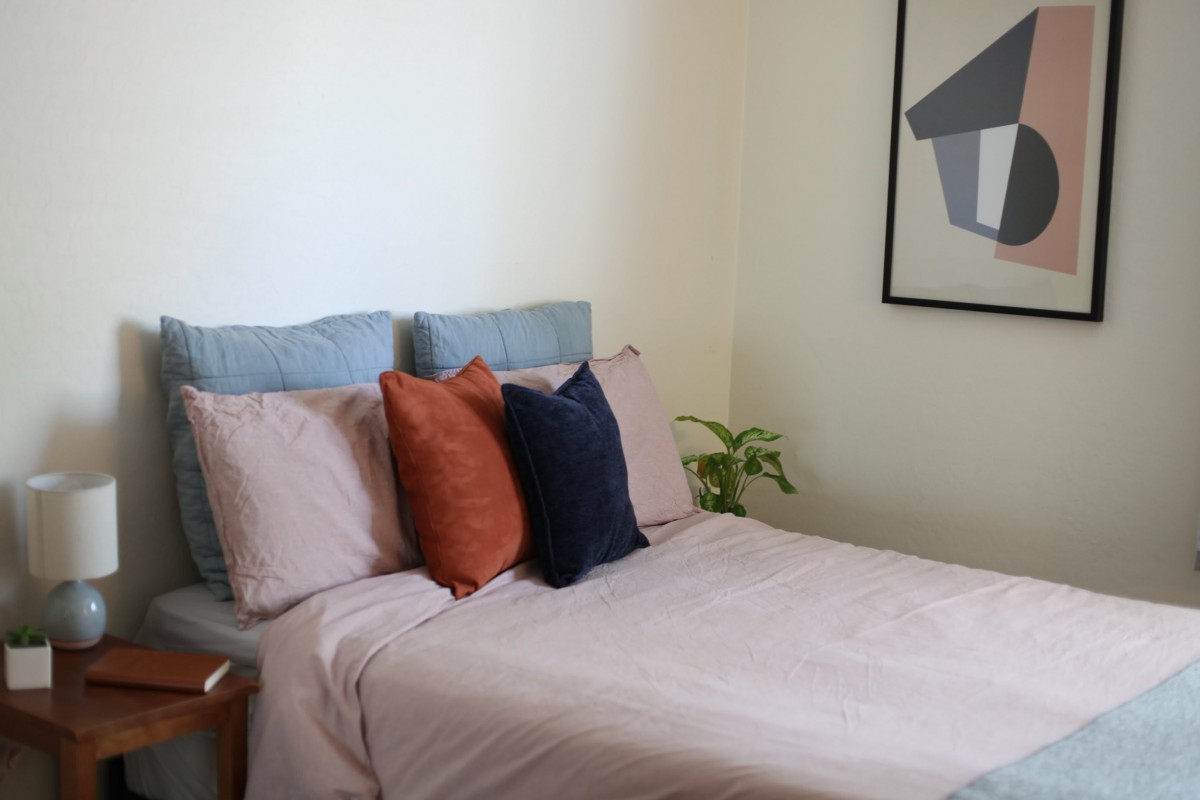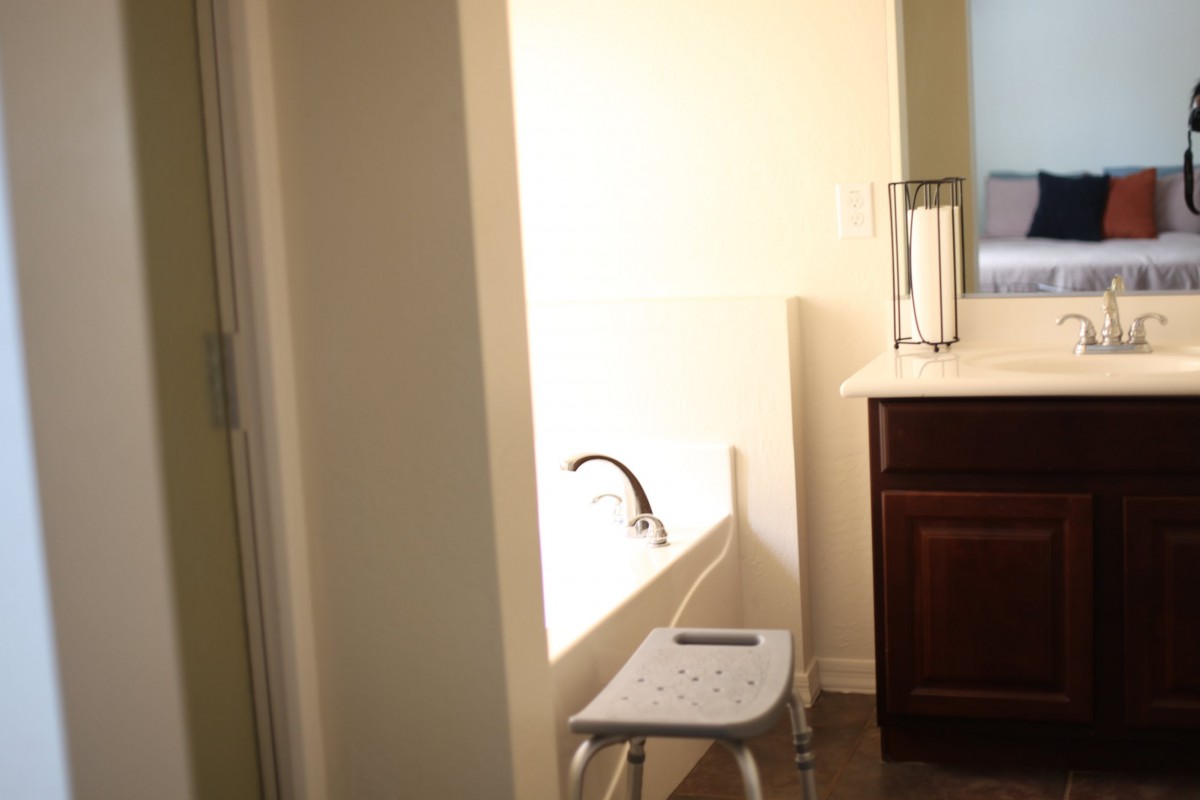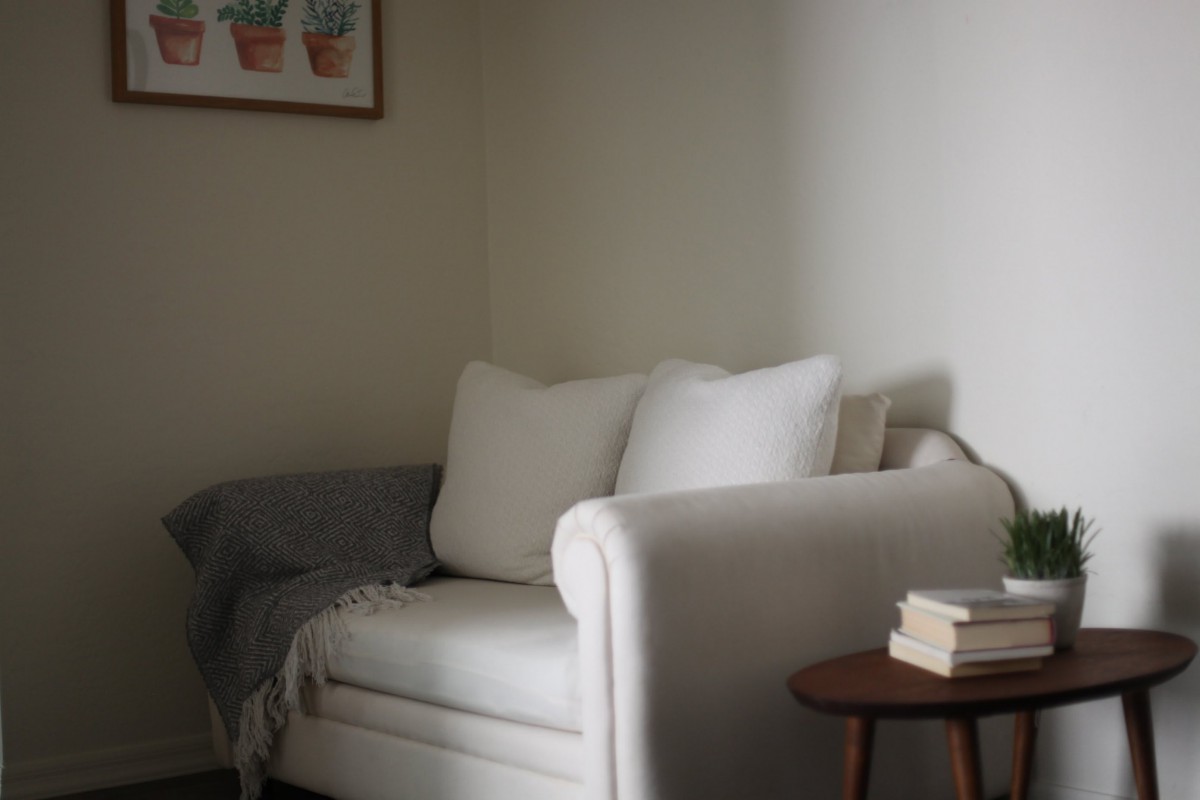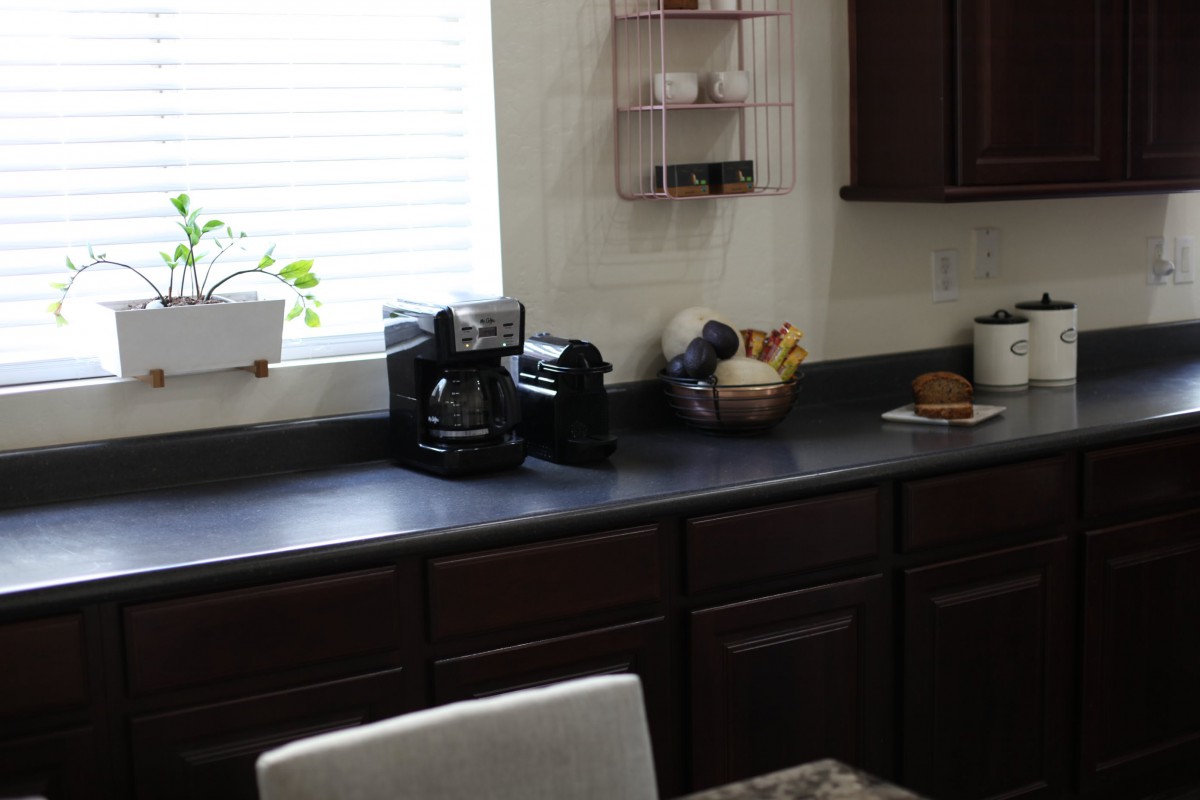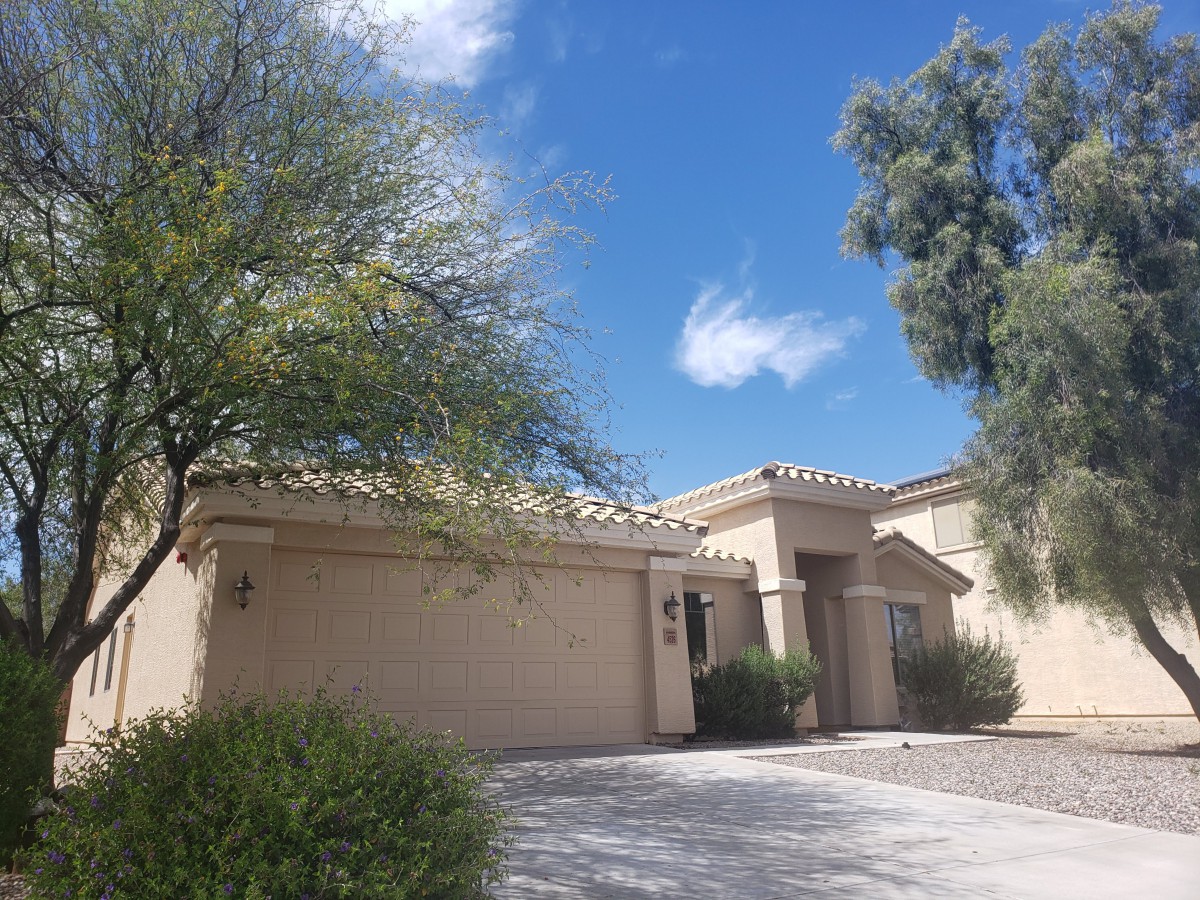
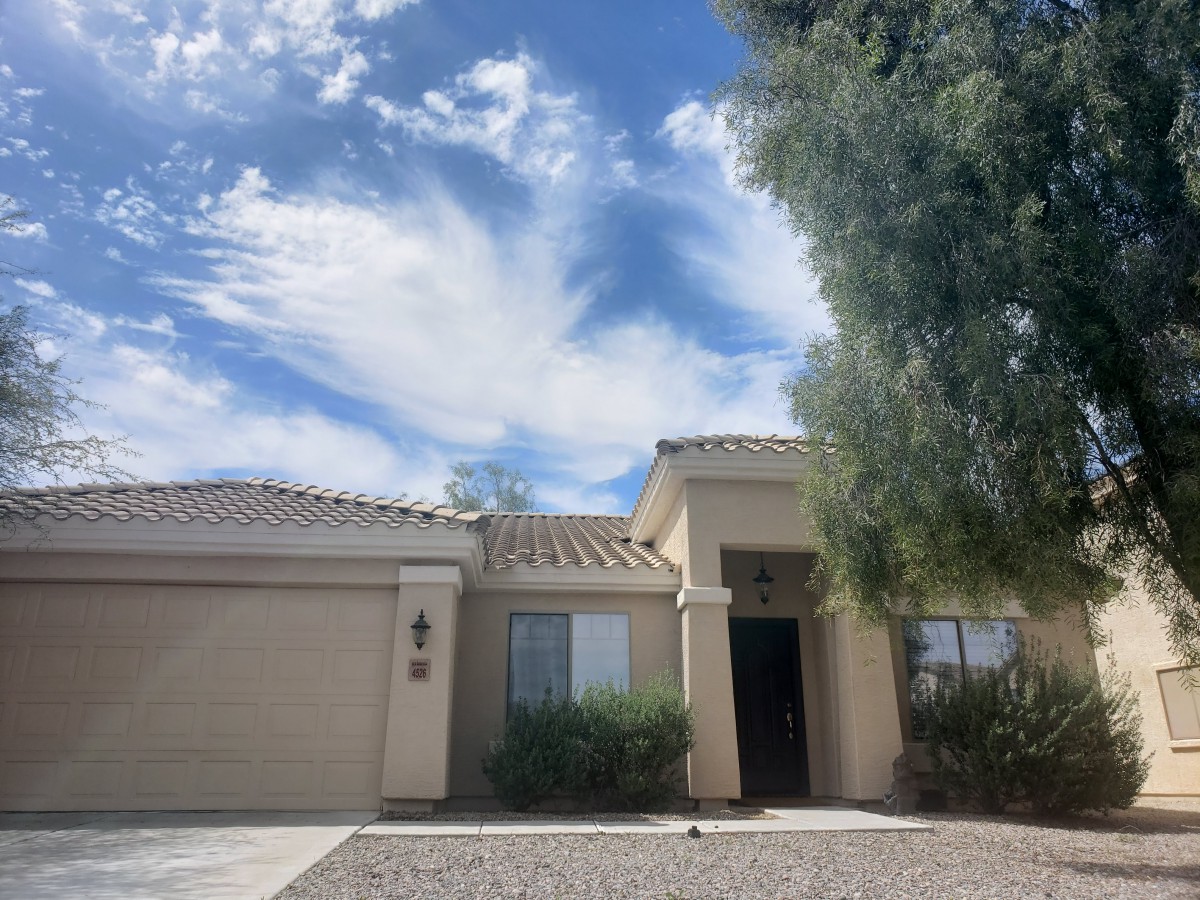
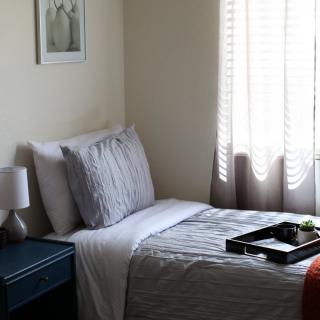
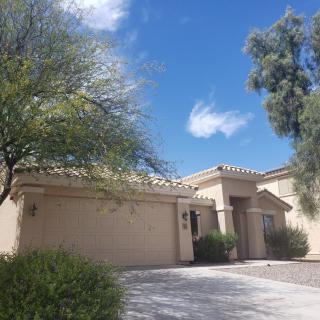
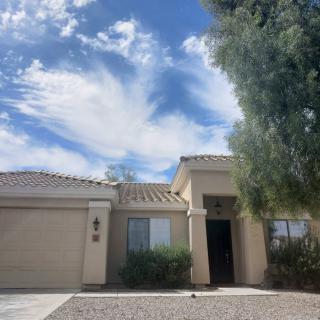
4526 N. 124th Ave, Avondale, AZ 85392
To contact a resident: (623) 536-4852
For more information about senior living options: (866) 208-4318
Desert Sunflower ALH Costs & Pricing
Desert Sunflower ALH offers competitive pricing for its care services, particularly when compared to the broader costs in Maricopa County and across Arizona. For a semi-private room, residents can expect to pay $2,500 per month, which is notably lower than the county average of $2,801 and the state average of $2,820. Similarly, for those requiring a private room, Desert Sunflower's rate of $3,500 is more affordable than both the county's average cost of $3,318 and Arizona's state average of $3,345. This positions Desert Sunflower ALH as an attractive option for individuals seeking quality assisted living care without compromising on affordability.
| Floor plans | Desert Sunflower ALH | Maricopa County | Arizona |
|---|---|---|---|
| Semi-Private | $2,500 | $2,801 | $2,820 |
| Private | $3,500 | $3,318 | $3,345 |
Senior living communities with a similar price nearby
-
from +$125 / mo

The Eldercare Home Of Tempe
$2,625 to $3,412 / month22.6 miles away -
from +$450 / mo
Endeavor AL I
$2,950 to $4,200 / month21.2 miles away -
from +$400 / mo
Royal Paradise Care
$2,900 to $3,800 / month11.2 miles away -
from +$300 / mo
Home of Helping Hands Assisted Living, LLC
$2,800 to $3,500 / month7.1 miles away -
from -$100 / mo
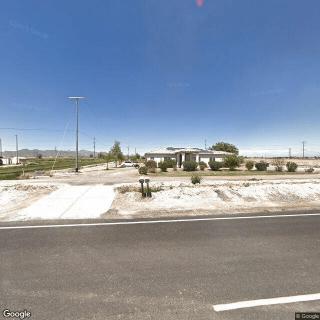
Jolley Family Assisted Living Home II
$2,400 to $3,875 / month13.2 miles away
Overall Review of Desert Sunflower ALH
Pros
 It is a great place for assisted living.
- They really care about the people living there.
- The environment is nice and clean.
- The staff respond quickly to requests, including dietary preferences.
- Families feel comfortable letting their loved ones live there because of the care.
Review
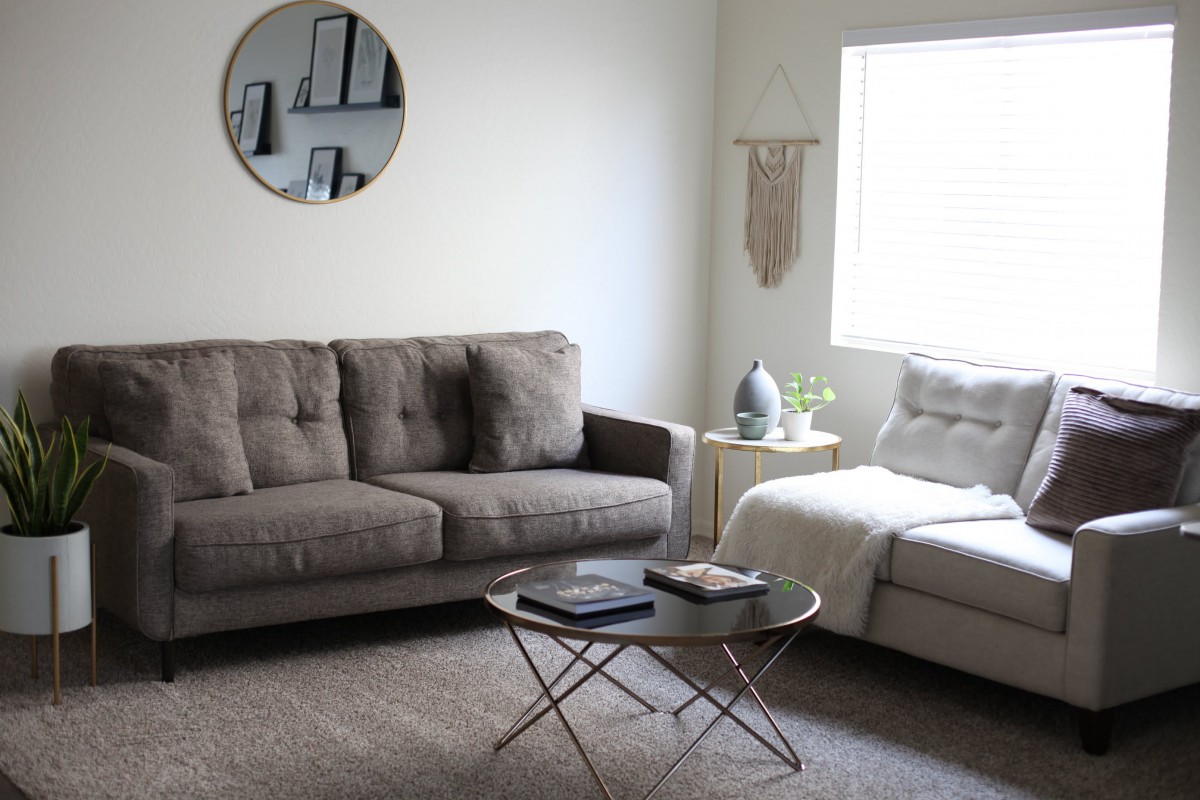
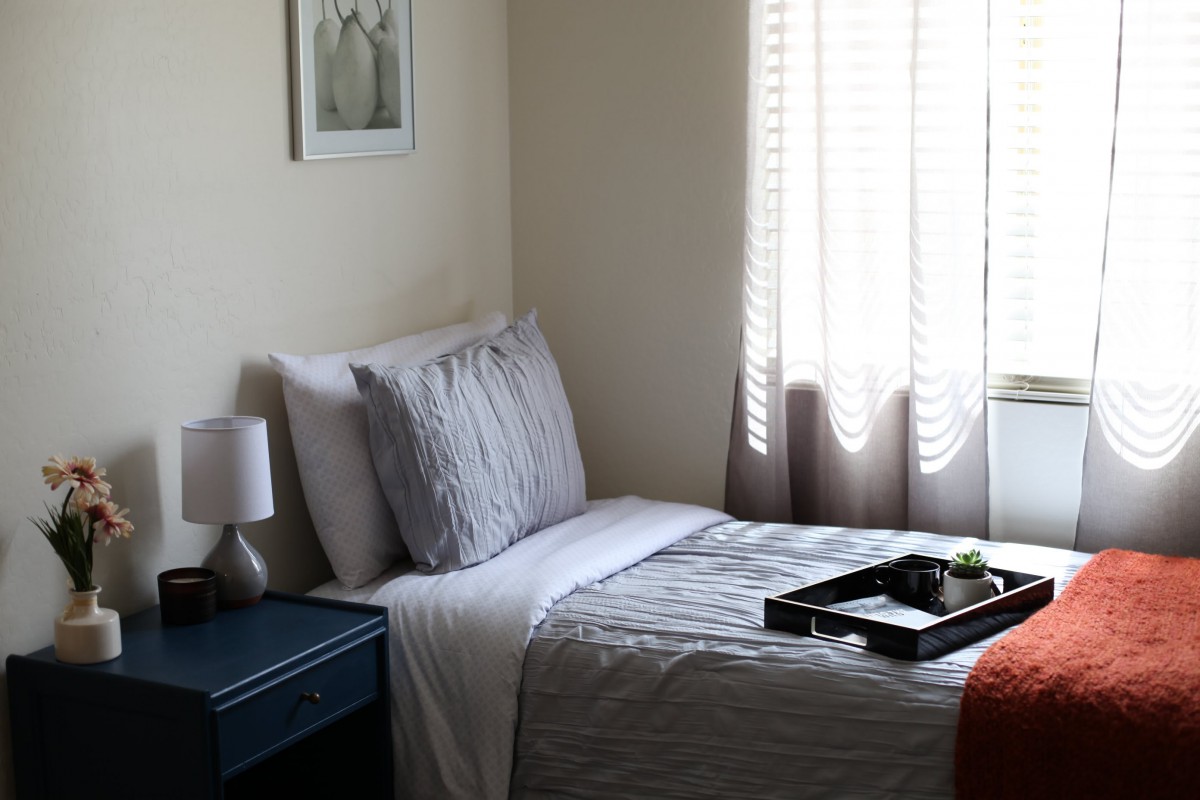
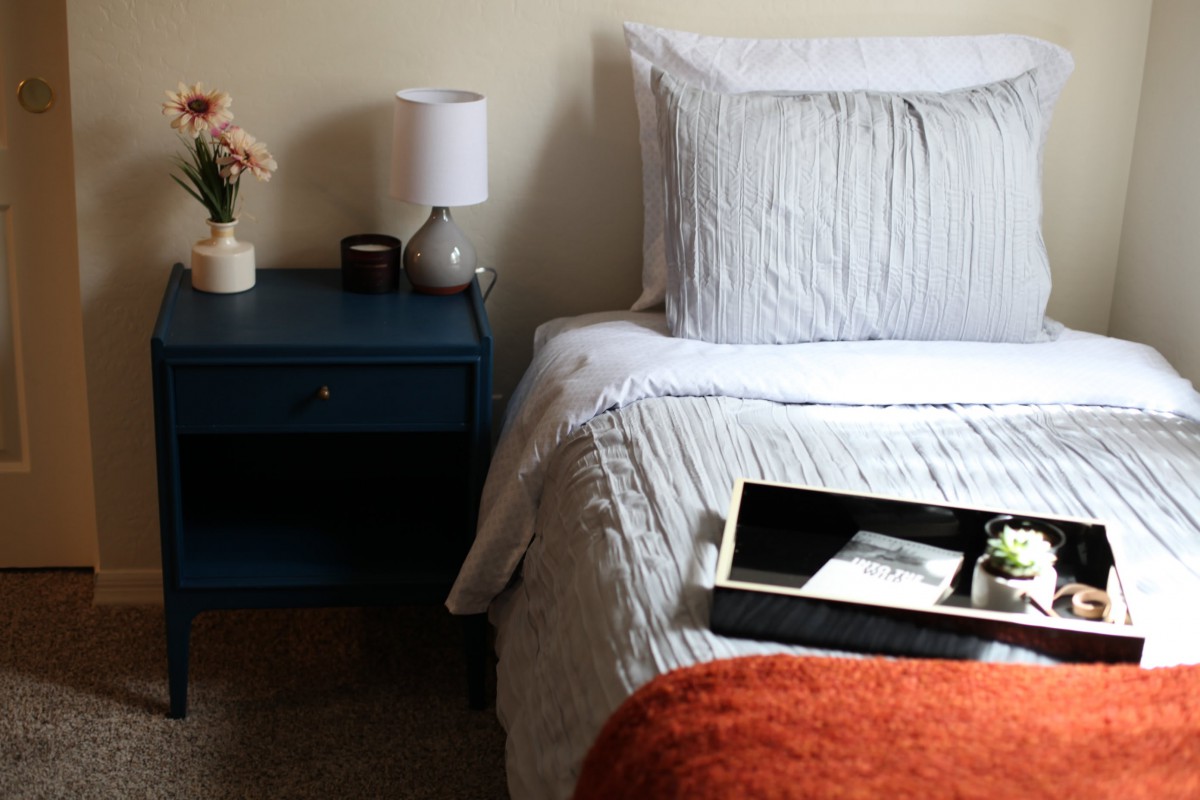
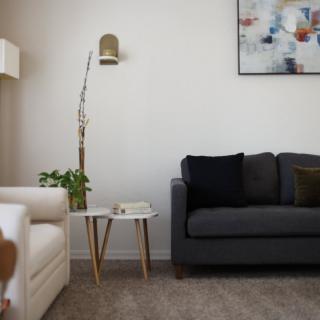
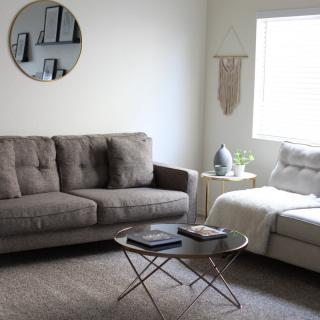
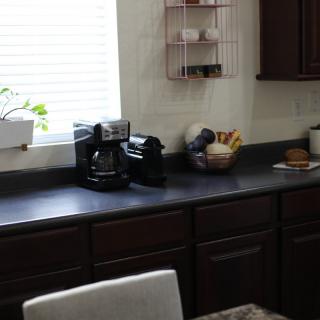
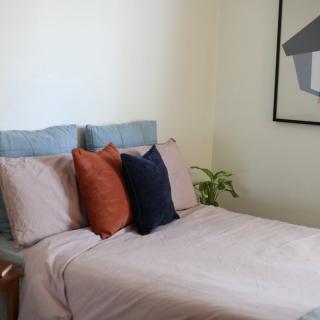
Desert Sunflower ALH in Avondale is best suited for families seeking a small, attentive assisted-living option where care feels personal and staff responsiveness is a clear strength. The experience described points to a warm, clean, home-like environment, with caregivers who know residents by name and act quickly on requests. This setting works well for seniors who prize daily reassurance, where meals, comfort, and respectful interaction with caregivers are central to life. For families prioritizing trust and hands-on attention over sheer size or show, Desert Sunflower presents a compelling, practical fit.
Those needing extensive medical supervision, complex memory care, or a broader activity program may want to explore alternatives. The available account confirms strong daily care and a clean atmosphere, but it does not address nursing availability, escalation protocols for medical needs, or specialized services that some residents require. Price transparency, room configurations, transportation, and the ability to accommodate diverse dietary or religious preferences are also critical considerations that deserve direct confirmation before committing.
On balance, the key advantages align with high-touch care: staff responsiveness to requests, demonstrated by prompt attention to a resident’s dietary preferences, and a clean, comfortable living space that fosters familiarity and trust. A more intimate scale likely supports closer supervision, easier mood monitoring, and more predictable routines, all of which reduce stress for both resident and family. These strengths partially compensate for any lack of expansive programming or formal memory-support options, because genuine attentiveness and a tidy, orderly environment are foundational to daily safety and well-being.
Yet the strongest impression rests on limited information. Without visible data on staffing levels, night coverage, medication management, emergency procedures, or ongoing cognitive engagement, potential drawbacks exist even if not explicit in the single available account. The asserted care quality offsets some risk, but it does not resolve questions about long-term health support, fall prevention systems, or activity variety. Families should demand a clear, written plan for medical oversight, incident reporting, and how care plans adapt as needs evolve, to avoid later gaps.
Practical next steps involve a structured visit with targeted questions. Request a current menu and a process for accommodating dietary requests, allergies, and cultural preferences. Inquire about caregiver qualifications, shift patterns, and whether licensed nursing staff are on site or accessible for routine and urgent needs. Verify safety features, such as emergency call systems and fall prevention measures, and confirm transportation options for errands or appointments. Finally, obtain a transparent breakdown of monthly costs, what's included, and any potential increases, along with references from current residents or families.
Overall, Desert Sunflower ALH offers a persuasive combination of compassionate care, quick responsiveness, and a clean, home-like setting that can deliver peace of mind for families prioritizing daily warmth and attentiveness. For seniors who want hands-on support in a small, personable environment, and for families comfortable with a possibly narrower programming scope, this community stands out as a strong choice. Those needing intensive medical oversight, dementia-specific programming, or a broad activity calendar should compare alternatives carefully and verify those capabilities before moving forward. In the right match, Desert Sunflower is a dependable, practical option that can anchor a family’s care plan with confidence.
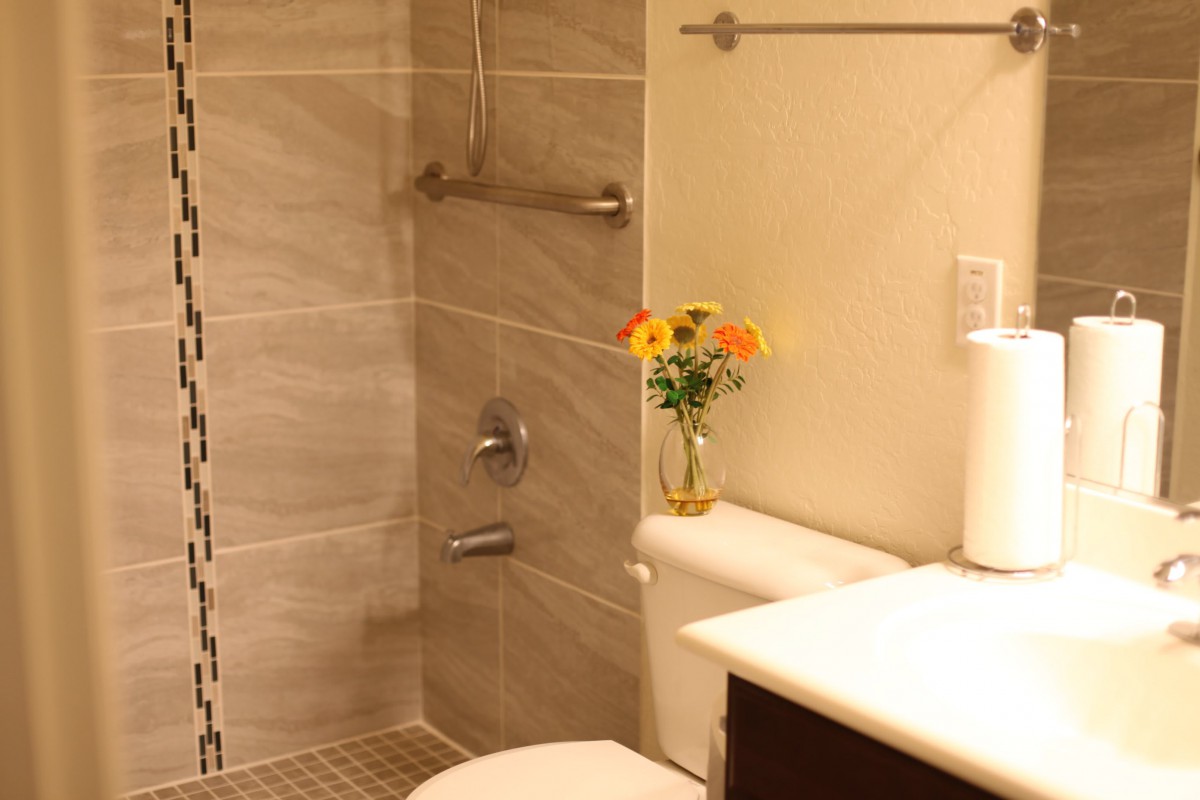
 Board and Care Home
 Dogs allowed
 Activities off-site
 Air-conditioning
 Bath tubs
 Cable or satellite TV
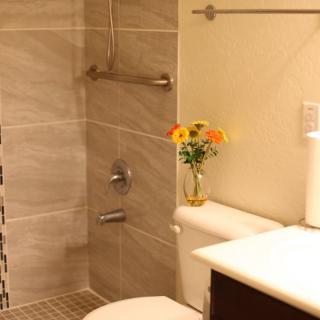
 Handicap accessible
 Indoor common areas
 Outdoor common areas
 Private
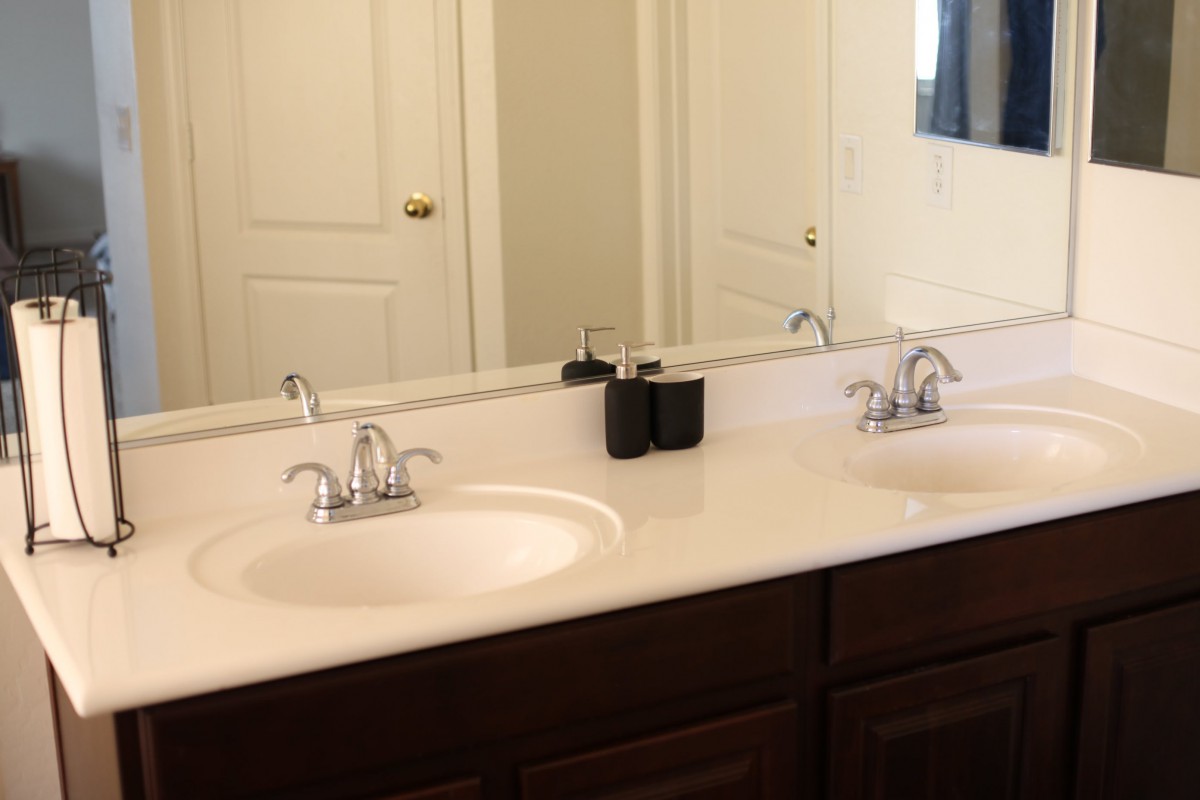
 Private bathrooms
 Respite or short term stays offered
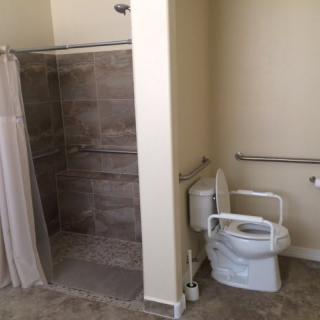
 Wheelchair accessible showers
 Wi-Fi/high-speed internet available
 Phoenix Sky Harbor International (16 miles away)
 Ambulatory care
 Diabetic care
 High acuity care
 Incontinence care
 Medication management
 Meals provided
 BBQs or picnics
 Birthday parties

 California's Form 602A: An In-Depth Examination of Senior Care Assessment
 Comprehensive Look at Senior Blood Pressure Charts: Normal and Elevated Levels by Age
 Top Canine Companions for Older Adults