
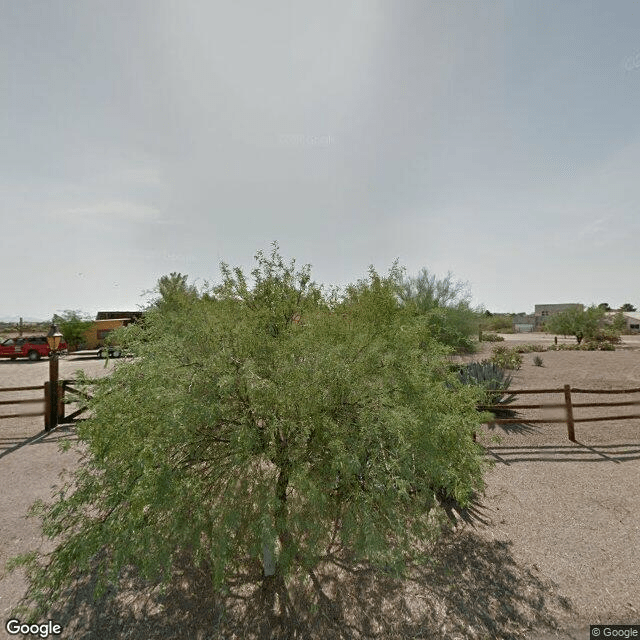
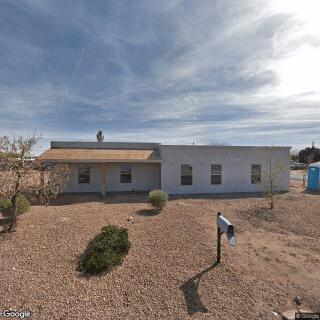
6480 South Alameda Drive, Apache Junction, AZ 85218
For more information about senior living options: (866) 208-4318
Gold Canyon Hacienda Costs & Pricing
Gold Canyon Hacienda offers competitive pricing for its accommodations, with both private rooms and studios priced at $4,000 per month. This cost is notably higher than the average rates in Arizona, where private rooms typically average around $3,035 and studios are approximately $2,702. While Gold Canyon Hacienda's rates may be above state averages, they reflect the unique value and personalized services that residents experience in a welcoming community setting. For those seeking an enhanced lifestyle with comprehensive care in a picturesque environment, the investment at Gold Canyon Hacienda may well be justified despite being above county and state benchmarks.
| Floor plans | Gold Canyon Hacienda | Arizona | |
|---|---|---|---|
| Private | $4,000 | $3,035 | $3,345 |
| Studio | $4,000 | $2,702 | $3,829 |
Memory care communities with a similar price nearby
-
About the same
Sunrise Assisted Living Facility
$4,000 to $5,000 / month17.8 miles away -
from -$500 / mo
Jim & Patti Jones II
$3,500 to $4,500 / month13.6 miles away -
from -$300 / mo
Hazelwood Manor
$3,700 / month20.8 miles away -
from -$500 / mo
Comfy Couch Assisted Living
$3,500 to $4,000 / month24.6 miles away -
About the same

Clarendale of Chandler
$4,090 to $6,220 / month17.7 miles away
Overall Review of Gold Canyon Hacienda
Pros
 Group home caregivers provide quality care to loved ones.
- The facility is well-maintained, clean, and has a homey feeling that eases the transition into assisted living.
- The staff are caring, compassionate, and go the extra mile to ensure residents feel comfortable in their daily activities.
- The meals are nutritious, well-balanced, and delicious, prepared by a professional chef.
- The night staff are amazing and very attentive to residents' needs.
- The outdoor area offers daily sunshine and an ambiance conducive to health recovery.
- The facility provides regular updates on residents' well-being, giving families confidence that loved ones are in good hands.
- The owner genuinely cares about residents and staff, prioritizing well-being and maintaining a welcoming home.
Review
Gold Canyon Assisted Living in Apache Junction is best suited for seniors who want a true home-like setting where daily living support feels personal, steady, and reliably available. It works well for residents who prefer a small, caregiver-focused environment over a sprawling campus, and for families who value warmth, consistency, and daily routines guided by attentive staff. The vibe emphasizes comfort, a calm pace, and meaningful interaction, with a location and design that encourages independence within a protective, well-maintained framework.
Those needing extensive medical oversight or a wide slate of on-site therapies may want alternatives. Larger communities can offer more comprehensive rehab programs, more resident peers for socialization, and faster access to specialty services. Families seeking a highly active calendar, or memory-care specialization, should compare options where staff-to-resident ratios and workflows are tailored to demanding clinical needs. Additionally, if proximity to family and robust transportation options are critical, different locations may present a better logistical fit.
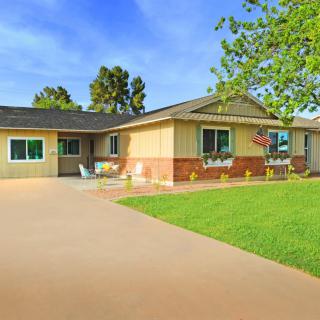
On the positive side, the facility stands out for care quality and environment. Reviews consistently emphasize a clean, well-kept setting with a homey, welcoming ambiance. Staff are described as compassionate and consistently attentive, with night shift caregivers earning particular praise for responsiveness. Nutritious meals prepared by a professional chef with dietary accommodations, plus clean, comfortable common areas and a sunny outdoor space, create a sturdy foundation for daily well-being and recovery.
Ownership and culture also matter here. The owner’s hands-on approach translates into steady staffing, clear communication, and a culture of trust. With fewer than ten residents, the team can tailor activity options and daily routines, monitor subtle changes quickly, and provide a level of personal attention that larger facilities rarely match. Those advantages help offset the potential downsides of a small community when it comes to safety, comfort, and emotional security.
Despite the strengths, potential downsides to consider include a more limited social ecosystem and fewer on-site specialists than in larger centers. For some families, the intimate setting may feel too quiet or slower-paced, and there may be fewer opportunities for high-energy programming. Still, the robust day-to-day care, regular updates, and open communication with families mitigate these concerns, and residents often settle in comfortably due to the calm aura and predictable routines.
For families prioritizing a warm, personalized home where staff remember names, anticipate needs, and create a sense of belonging, Gold Canyon is a strong option. For those requiring expansive medical services, broad rehab options, or a busy social calendar, alternatives should be explored first. The positives, careful staffing, compassionate caregivers, safety, and high maintenance standards, generally outweigh the trade-offs, but a firsthand visit is essential. Schedule a tour, ask about resident-to-staff ratios, current programs, and dietary accommodations, and verify emergency procedures and physician access before deciding.
 10 resident community capacity
 Assisted Living
 Board and Care Home
 Memory Care
 Respite Care
 Cable or satellite TV
 Dining room
 Fully furnished
 Garden
 Housekeeping services
 Move-in coordination
 Outdoor space
 Private
 Telephone
 Wi-Fi/high-speed internet available
 24-hour supervision
 Activities of daily living assistance
 Assistance with bathing
 Assistance with dressing
 Assistance with transfers
 Diabetes diet
 Meal preparation and service
 Medication management
 Special dietary restrictions
 Transportation arrangement (medical)
 Transportation to doctors appointments




 Understanding Dementia Through Its Seven Stages: A Comprehensive Look at Progression and Expectations
 A Holistic Dementia Care Guide: Effective Strategies for Memory Support
 Comprehensive Insights into Activities of Daily Living (ADLs) and Their Assessment