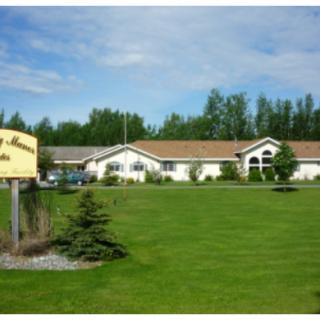
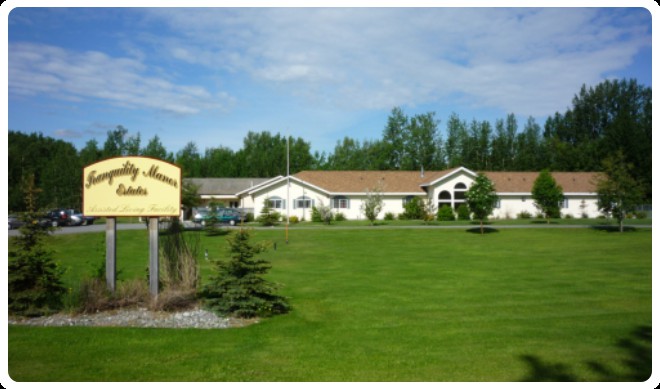
1950 Hemmer Road, Palmer, AK 99645
For more information about senior living options: (866) 208-4318
Overall Review of Tranquility Manor Estates
Pros
 The staff's hard work promotes a healthy and well-balanced lifestyle for residents.
- Tranquility Manor Estates offers outstanding quality care with 24-hour awake staff, delicious meals, and full-time activities staff.
- The care at Tranquility Manor Estates features exceptional attention to detail within a loving, home-like environment.
- For families seeking placement in the Palmer area, Tranquility Manor Estates is a strong choice and should be contacted without delay.
Cons
 They would give zero stars.
- The administrative staff is severely undertrained and uneducated regarding Power of Attorney and Guardianship, and the difference between them.
- The administration is hostile, with some good care workers, but many are extremely young and improperly trained.
- There are gaps in the housekeeping staff, and no real activities—just an old bingo game.
- It is not their fault; it is just poor management.
Review
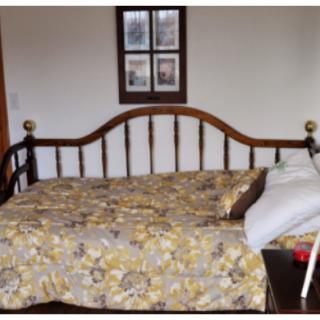
Tranquility Manor Estates in Palmer, AK is best suited for families seeking an intimate, home-like assisted living option for a loved one who thrives on personalized, hands-on care and around-the-clock supervision in a small setting. With 17 beds, the community delivers a close-knit environment where staff can form genuine relationships, meals are carefully prepared, and daily routines feel predictable and safe. This is a place where a resident who values consistent check-ins, stable proximity to downtown Palmer, and a warm, domestic atmosphere can flourish. It is especially appealing to those who want to avoid the impersonal feel of larger facilities while still accessing reliable daytime support and nocturnal oversight.
On the positive side, the strongest draw is the staffing model: 24-hour awake staff and a full-time activities team translate into continuous oversight and meaningful engagement. Residents benefit from attentive, detail-focused care and care teams that know their preferences, from meals to daily routines. The culinary side earns praise, with meals described as delicious and comforting, reinforcing a home-like vibe. The combination of a small, all-hands-on-deck approach and a resident-friendly atmosphere helps mitigate some common anxieties about aging in place, making it easier for families to trust that basic needs will be met with consistency.
However, there are meaningful concerns that cannot be ignored. Administrative leadership is repeatedly described as under trained and hostile, creating a credibility gap that undermines confidence in governance, power of attorney, and guardianship processes. The discord between the administration and families or residents can erode trust even when direct caregiving is solid. Care staff quality is uneven: some workers are clearly capable, while others are described as young and undertrained, which raises questions about supervision, consistency, and safety. Housekeeping gaps further complicate daily living, and activities beyond traditional games are limited, leaving residents who crave structured enrichment with fewer options.
These pros and cons do not cancel each other out; they offset in a nuanced balance. The round-the-clock presence and intimate staff-to-resident ratio provide stability that can compensate for some administrative friction, especially for residents who require vigilant supervision and routine. The home-like environment and strong culinary program contribute to quality-of-life gains that can uphold dignity and comfort even amid governance concerns. Yet the administration’s effectiveness remains a limiting factor: without confident leadership, responses to issues, POA clarity, staffing training, and housekeeping standards, may lag, diminishing the otherwise solid care foundation. In short, daily life can be wonderfully stable, but systemic weaknesses prevent wholesale trust.
Potential residents who should consider alternatives include families with high expectations for formal governance and clearly delineated legal processes, or those who insist on rigorous housekeeping standards and a broader activity calendar. If guardianship administration is a priority, or if staff training and professional development are non-negotiable, exploring other Palmer options or visiting larger communities with documented procedures may be prudent. For residents with complex medical needs requiring coordinated clinical oversight, or for households seeking more diverse enrichment programs beyond bingo and basic activities, a different setting will likely deliver greater reassurance and ongoing engagement.
Overall, Tranquility Manor Estates offers a compelling option for an intimate, caring environment in Palmer. The facility’s core strengths, constant supervision, excellent meals, and a warm, home-like atmosphere, make it an appealing choice for families prioritizing daily comfort and personal connection. The key caveat is administrative leadership and housekeeping consistency: these areas must show measurable improvement to sustain confidence over time. Prospective families should conduct a thorough visit, meet the administrator, and scrutinize POA and guardianship processes, while assessing how staff training is managed and how housekeeping is handled on a day-to-day basis. When alignment exists between family expectations and the community’s strengths, this manor can be a heartfelt, dependable home.
 17 resident community capacity
 Assisted Living
 Board and Care Home
 Cable or satellite TV
 Dining room
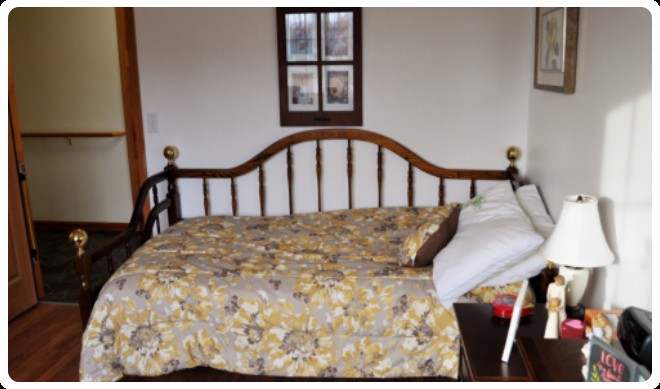
 Fully furnished
 Garden
 Housekeeping services
 Move-in coordination
 Outdoor space
 Telephone
 Wi-Fi/high-speed internet available
 24-hour supervision
 Activities of daily living assistance
 Assistance with bathing
 Assistance with dressing
 Assistance with transfers
 Diabetes diet
 Meal preparation and service
 Medication management
 Special dietary restrictions
 Transportation arrangement (medical)
 Transportation to doctors appointments

 Social Security Benefits and Assisted Living: Navigating Options Across the U.S.
 An Extensive Exploration of the VA Aid and Attendance Benefit
 Senior Transition Services: Understanding Their Role, Cost, and Importance