
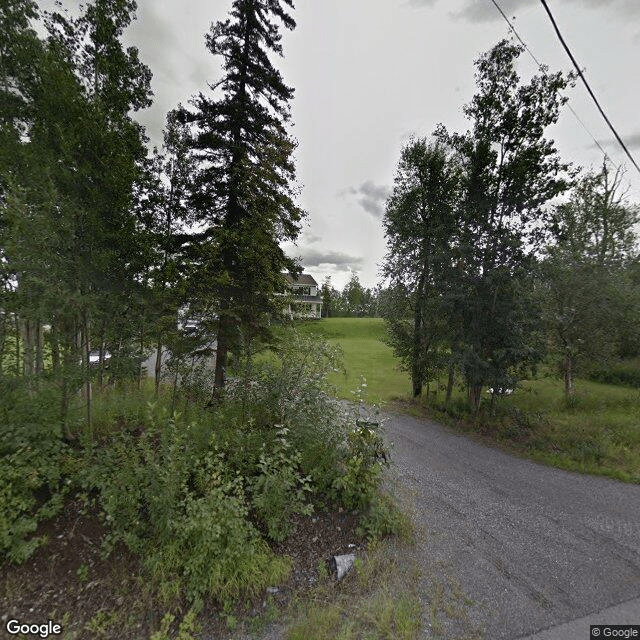
1715 North Driftwood Circle, Palmer, AK 99645
For more information about senior living options: (866) 208-4318
Overall Review of Colony Manor
Pros
 It is a good place for fairly independent seniors and others who still need autonomy and freedom to come and go.
- It has an open campus for residents.
- It has $800,000 allocated for renovations planned in the near future.
- It is a nice community on the valley floor in Palmer.
- The senior center is conveniently located just down the block.
- It offers flat, easy walking.
Cons
 There is a 4-year wait-list for apartments.
Review
Colony Manor is best suited for fairly independent seniors who prize autonomy and the freedom to come and go, with an open-campus vibe that treats the day as theirs to shape. The community sits on the Palmer valley floor, where flat, easy walking paths create a surprisingly casual, walkable feel for daily life. Residents who value nearby conveniences will appreciate a senior center located just down the block, boosting opportunities for socializing and activity without long drives. The setting is calm and intimate rather than sprawling, which makes day-to-day routines feel manageable for someone who wants to stay active and self-reliant. A key signal for future planning is the renovation plan and the sizable investment earmarked to upgrade facilities.
Among the strongest selling points are the autonomy-friendly design and the seriousness of the upgrade schedule. The open campus format supports mobility and freedom, residents can move about with minimal constraints, a major plus for those who dislike the rigidity of traditional campuses. The renovation, backed by $800,000, promises modernized living spaces and refreshed common areas, which can translate into safer layouts, easier maintenance, and a warmer atmosphere once completed. Proximity to the senior center adds a practical social and activity hub, reducing isolation and expanding daily options without requiring long trips. The overall feel remains intimate, which helps sustain a sense of community and personal belonging even as needs evolve.
Yet real constraints emerge for anyone facing tighter timelines or greater care needs. The four-year wait-list for apartments means immediate placement is unlikely, which is a heavy hurdle for someone facing a rapid change in health or living arrangements. For residents who require consistent daily assistance or memory-care-level support, Colony Manor may not be the right destination at this stage, given the focus on independence. Renovation plans add a layer of risk for current residents and new arrivals alike: construction can introduce noise, temporary access changes, and disruptions to routine. In short, this community favors those who maintain independence, with a cautionary note for families managing tighter health needs or urgent moves.
On balance, the positives do a strong job of offsetting the headwinds for the right profile. The open-campus design and flat terrain are not just conveniences; they materially extend usable, day-to-day independence and reduce the fragility that comes with more vertical, segmented layouts. The renovation funding signals a future-proofing intent that can elevate safety and comfort, potentially shortening maintenance worries and improving the long-term value of the residence. The block-adjacent senior center acts as a social anchor, helping residents stay active and connected without long commutes. When these elements align, the model offers a credible path for aging in place with gradually increasing services as needs change.
Families weighing Colony Manor should map expectations to timelines and personal care trajectories. If immediate placement is not essential, it makes sense to engage a detailed tour, request a formal renovation schedule, and obtain a clear sense of when vacancies will be available and what the updated spaces will look like. Critical questions revolve around what is included in daily life, meals, housekeeping, transportation, and access to on-site support as needs progress. For households anticipating a move toward more intensive care, prepare a plan that includes alternative options with memory care or assisted-living capabilities, or identify facilities with guaranteed timelines for new residents. The value here lies in disciplined planning that matches independence with projected care needs.
Ultimately, Colony Manor is a pragmatic fit for a segment of Palmer’s aging population: those who want autonomy, a calm, walkable environment, and a credible upgrade program. It is not the best choice for residents who require immediate daily assistance, security for memory-related needs, or rapid placement due to health decline. For families able to align timing with the wait-list and future renovations, the combination of open living, local social anchors, and a clear modernization plan offers a solid path forward. The decision hinges on whether the resident’s current independence and future trajectory of care align with the projected timeline and the willingness to navigate a high-demand, renovation-influenced entry.
 5 resident community capacity
 Assisted Living
 Board and Care Home
 Cable or satellite TV
 Dining room
 Fully furnished
 Garden
 Housekeeping services
 Move-in coordination
 Outdoor space
 Telephone
 Wi-Fi/high-speed internet available
 24-hour supervision
 Activities of daily living assistance
 Assistance with bathing
 Assistance with dressing
 Assistance with transfers
 Diabetes diet
 Meal preparation and service
 Medication management
 Special dietary restrictions
 Transportation arrangement (medical)
 Transportation to doctors appointments

 Comprehensive Insights into Activities of Daily Living (ADLs) and Their Assessment
 Medicare Coverage for Assisted Living: An In-Depth Exploration
 Choosing the Right Senior Care: A Detailed Exploration of Assisted Living and Nursing Homes