
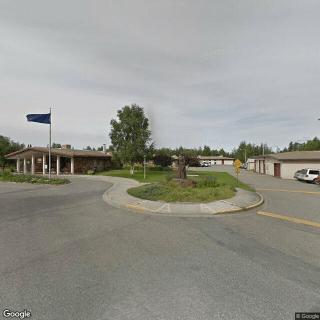
1173 Sunset Drive, Fairbanks, AK 99709
For more information about senior living options: (866) 208-4318
Overall Review of Debbie's Assisted Living Home
Pros
 Timber Creek offers top-notch living and care.
- The kitchen schedule, menu, foods, and dining room are well presented.
- The facility impresses residents' visitors.
- The Director of Operations and staff feel like family.
- The daily and weekly activities and monthly calendar for events are engaging.
- Timber Creek is among the best places in Alaska.
- The staff are efficient, caring, and pleasant.
- Carl and Lyra stand out for exceptional service.
- Rooms are kept clean and residents are well cared for.
- The food served is beyond excellent.
- There is always help for residents in the dining room.
- The care staff interactions with residents are truly inspiring.
- The residents are amazing and very helpful in daily activities.
- Timber Creek is the nicest assisted living home in Fairbanks, with a brand-new building.
Cons
 One reviewer states that Timber Creek is not suitable for residents with higher care needs.
- They claim residents are often seen on the street with little supervision, creating safety risks.
- They describe the facility as not a safe place for loved ones who require security, calling it practically negligent.
- They recount an incident involving a resident near train tracks by the university, suggesting safety and supervision lapses.
Review
Debbie's Assisted Living Home in Fairbanks is best suited for seniors who want a lively, family-style environment where staff relationships feel intimate, meals matter, and a robust calendar of social and cultural activities keeps daily life engaging. This community appeals to residents who thrive on interaction, value attentive dining service, and appreciate staff members who make a visible effort to know residents well. The emphasis on a warm, community-driven atmosphere, combined with a newer facility feel and hands-on staff, makes Debbie’s a strong fit for those who are seeking companionship and a home-like setting rather than a clinical, institution-like pace.
Those who may want alternatives should consider Debbie’s if their loved one requires higher levels of supervision or specialized care. Residents with significant mobility or cognitive challenges, wandering tendencies, or a need for constant medical oversight may not find the level of security and responsiveness here adequate. Families facing the possibility of more complex care needs should weigh whether Debbie’s can provide the appropriate supports, or whether a setting with more structured memory care or secure grounds would better reduce risk and provide peace of mind.
The strongest positives at Debbie’s, as reflected in the surrounding review pattern, center on staff warmth, attentiveness, and the quality of life they cultivate. The staff are consistently described as caring, efficient, and capable of forming genuine connections with residents, turning routine moments, meals, activities, and daily care, into meaningful experiences. The dining program stands out as a defining strength: menus, kitchen operations, and dining room service are praised for quality and presentation, contributing to a sense of dignity and pleasure around meals. The social fabric is reinforced by a steady stream of activities, visible calendars, and events that invite participation from residents and their families alike, creating a sense of belonging and purpose.
The environment itself is another key pro. A newer building or recently refreshed spaces helps create a comfortable, visually appealing setting that residents can feel proud to call home. Observations from staff and families alike emphasize a welcoming atmosphere where residents are checked on regularly, rooms are kept clean, and there is genuine pride in how the community operates. All of these factors combine to produce a thriving, outward-facing community where residents enjoy meaningful interactions with both staff and neighbors, fostering a strong sense of daily meaning and social connection.
However, the salient con in the collected feedback points to safety and security for residents who need more supervision. One review explicitly described scenarios where individuals appeared to be unsupervised in public areas, with concerns raised about the potential for traffic-related or other safety incidents. This is not a blanket dismissal of Debbie’s, but it does signal a real consideration for families evaluating whether the environment has adequate perimeter security, staff coverage, and protocols for managing residents who may wander or require heightened monitoring. In this sense, Debbie’s may not be the right match for those who prioritize a high-security footprint or rapid, always-on clinical response.
So, do the pros offset the cons? For families who place a premium on a warm, engaging culture, excellent dining, and a partner-in-care staff, the positives can substantially outweigh the concerns, provided the resident’s needs align with the community’s capabilities. Pros such as the personalized attention from staff, strong social programming, and the overall mood of a close-knit, resident-centered setting often translate into measurable quality-of-life gains. The potential downside, safety and supervision gaps for higher-need residents, lives as a crucial caveat. The decisive factor becomes whether the resident can participate safely within the existing structure, and whether proactive safety measures can be implemented or enhanced without sacrificing the community’s strengths.
In making a decision, families should approach Debbie’s with a practical, action-oriented plan. Schedule a multi-visit tour to observe staff-resident interactions during meals, activities, and transitions, and request time with a few current residents and their families to gauge day-to-day realities. Inquire specifically about security features, wandering protocols, staff-to-resident ratios across shifts, and the availability of higher-level care services on-site or through partnerships. Compare Debbie’s with other Fairbanks options that offer stronger security measures or memory-care components, and insist on clear demonstrations of how emergencies are handled, how medications are supervised, and how risks are mitigated during peak activity times. The right choice will balance the community’s vibrant, people-first culture with rigorous assurances that every resident remains safe, secure, and supported as needs change.
 1 resident community capacity
 Assisted Living
 Board and Care Home
 Cable or satellite TV
 Dining room
 Fully furnished
 Garden
 Housekeeping services
 Move-in coordination
 Outdoor space
 Telephone
 Wi-Fi/high-speed internet available
 Fairbanks International (3 miles away)
 24-hour supervision
 Activities of daily living assistance
 Assistance with bathing
 Assistance with dressing
 Assistance with transfers
 Diabetes diet
 Meal preparation and service
 Medication management
 Special dietary restrictions
 Transportation arrangement (medical)
 Transportation to doctors appointments

 Is Assisted Living Deductible on Your Taxes? Understanding the Complexities of Assisted Living Expenses and Deductions
 Assisted Living Support for Veterans: A Complete and Detailed Overview
 Exploring the Contrasts Between Assisted Living and Skilled Nursing