
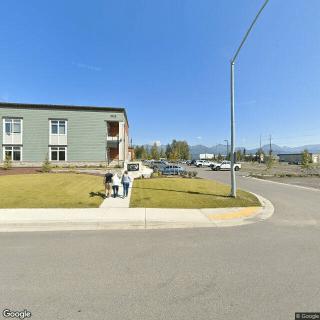
1925 Colony Place, Anchorage, AK 99507
For more information about senior living options: (866) 208-4318
Overall Review of Ur Precious Assisted Living Home
Pros
 The residence appeared to be clean.
- The residence was clean.
Cons
 The residence appeared clean, but the owner was incredibly rude.
- He degraded the clients in front of them while they were eating.
- His behavior and people skills are unacceptable.
- The clients were upset by his conduct.
Review
Ur Precious Assisted Living Home in Anchorage is best suited for seniors who want a small, home-like setting and can tolerate a plainly personal, family-driven management style. The residence’s intimate footprint and a cleanliness baseline suggest a non-institutional experience that some families seek when they want to avoid the feel of a large facility. This option can work for residents who are relatively independent, require minimal structured activities, and rely on straightforward routines rather than high-touch medical oversight. It is not a fit for those who demand formalized administrative processes, robust staff training, or predictable interpersonal conduct from leadership.
Families should explicitly consider alternatives if consistent, respectful communication and professional boundaries are non-negotiable. The current impression is that management operates with a level of direct, uncompromising behavior that can quickly erode trust and resident comfort. For seniors with sensitivities around dignity or for relatives who want clear, courteous interaction as a baseline for daily care, other homes with transparent policies and regulated staff interactions will likely deliver greater peace of mind. Those who require regular, supervised medical oversight, structured programming, or dependable crisis response should steer toward facilities with formal licensing, documented care protocols, and stable leadership.
The strongest practical strength here is the visible cleanliness and the potential for a more personalized, non-industrial atmosphere. A clean environment reduces basic daily irritants and supports smoother routines for meals, hygiene, and room upkeep. In a small home setting, residents may receive more individualized attention than in a crowded building. Yet these advantages only partially offset the central drawback: the owner’s interpersonal conduct. When a leader publicly degrades clients or speaks to them in a disrespectful manner, the emotional climate deteriorates, and genuine, person-centered care becomes compromised. Cleanliness cannot compensate for a pattern of humiliating interactions that undermines trust, safety, and ongoing engagement.
That problematic dynamic is reinforced by the inconsistency implied by two reviews with divergent impressions: a mid-range overall rating paired with a documented incident of overt disrespect. Potential residents should interpret this as a reliability risk. If management can’t maintain a professional, compassionate tone under pressure, the daily experience for residents, especially during meals and routine conversations, will feel unsafe or demoralizing. The risk extends beyond personal affront; it can ripple into appetite, mood, appetite for social interaction, and willingness to cooperate with care plans. In short, the emotional environment matters as much as the physical one, and here the emotional risk is tangible.
A disciplined decision framework is essential. Prospective families should demand a clear demonstration of respectful resident engagement, a formal code of conduct for owners and staff, and transparent processes for conflict resolution. Request a tour with questions focused on how meals, activities, and personal care are coordinated, and verify who is responsible for supervision during peak hours. Seek copies of licensing, inspection summaries, and any formal complaints, and press for recent resident satisfaction references. Consider a trial period if offered, with documented expectations and exit terms. The aim is to prove that the daily experience aligns with the family’s standards before committing.
Ultimately, this community may suit a small subset of families who prioritize a home atmosphere and can tolerate, or even welcome, a candid, direct leadership style, provided there is a plan to ensure respectful treatment and predictable routines. For many families, however, the combination of an owner who engages in humiliating behavior and the resulting unstable interpersonal climate will overshadow any cleanliness or compact, intimate setting. When choosing between options, prioritize consistent, respectful interaction, clear governance, and a track record of steady resident well-being. If those are not clearly in place, move toward facilities with stronger professional oversight and a demonstrable commitment to resident dignity.
 3 resident community capacity
 Assisted Living
 Board and Care Home
 Cable or satellite TV
 Dining room
 Fully furnished
 Garden
 Housekeeping services
 Move-in coordination
 Outdoor space
 Telephone
 Wi-Fi/high-speed internet available
 Ted Stevens Anchorage International (6 miles away)
 24-hour supervision
 Activities of daily living assistance
 Assistance with bathing
 Assistance with dressing
 Assistance with transfers
 Diabetes diet
 Meal preparation and service
 Medication management
 Special dietary restrictions
 Transportation arrangement (medical)
 Transportation to doctors appointments
 Vibrant Senior Living: A Comprehensive Guide for Active Older Adults
 When to Transition from Assisted Living to Memory Care: Key Indicators, Steps, and Finding the Right Community
 Assisted Living and Memory Care: Understanding Their Core Differences