
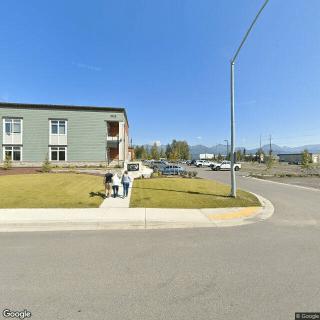
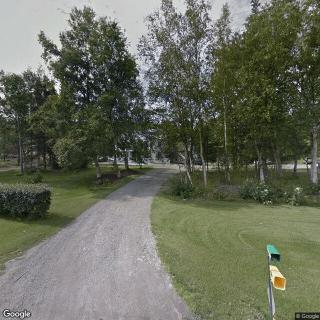
5454 Emmanuel Avenue, Anchorage, AK 99508
For more information about senior living options: (866) 208-4318
Overall Review of The Ark Of Emmanuel
Pros
 They see potential for improved cooking and service.
- They appreciate the focus on breakfast planning, signaling care for guests' mornings.
- They are optimistic about refining meal timing and presentation.
- They recognize opportunities to improve kitchen consistency and efficiency.
- They believe the dining experience can be enhanced with thoughtful adjustments.
Cons
 Doesn't know how to cook food and serve properly.
- Breakfast is cooked the afternoon before and left out til the next morning when it's served.
Review
The Ark Of Emmanuel in Anchorage, AK is best suited for seniors who can manage many daily needs with external support or who insist on very low-maintenance, minimal-on-site services. Based on the available review, this community is not evaluated as a strong fit for residents who rely on dependable, well-prepared meals and attentive dining service. Families considering this option should be prepared to arrange outside meals or to accept substantial gaps in kitchen operations if choosing to pursue care here. In short, the strongest alignment appears to be for individuals who can supplement or tolerate a lean on-site dining program rather than rely on it as a core service.
From the one documented review, the most decisive red flag centers on food and dining operations. The reviewer notes that culinary staff do not appear to know how to cook or serve meals properly, with meals described as being prepared the afternoon prior and left to sit until the next day’s service. Breakfast, specifically, is reportedly reheated or otherwise mishandled, and served after an overnight wait. Such patterns raise legitimate concerns about consistency, quality, and the dignity of daily meals, and they signal broader questions about kitchen staffing, food safety practices, and the overall dining experience for residents.
Visible pros are not articulated in the available feedback, which makes it difficult to identify compensating strengths. In a balanced assessment, one would look for indicators like reliable staffing ratios, engaging activities, attentive personal care, transparent billing, and safety measures. None of these are documented in the review, leaving potential positives unverified and unable to offset the clearly stated dining deficiencies. Without explicit strengths to counterbalance the kitchen and service issues, the facility’s appeal for prospective residents remains severely limited.
Given the absence of listed advantages, the downsides weigh heavily in the decision framework. When meals are unreliable or poorly executed, other core assisted-living expectations, medication management, personal care, social engagement, safety, and overall quality of life, are difficult to assess as competitive. The single negative report suggests that the main benefit of this community, on-site care and supervision, may be insufficient to justify consideration if dining quality and consistency are non-negotiable priorities. For families weighing options, the critical question becomes whether any other facilities in the Anchorage area can deliver predictable meals and respectful service with similar care levels.
Who should definitely consider alternatives? Any senior who prioritizes consistent, nutritious, hot meals and a dignified dining routine should steer toward other options. Families seeking robust culinary programs, transparent meal planning, and responsive kitchen operations will likely be disappointed here. Additionally, residents who require more structured routines around meals or who have strict dietary restrictions should demand evidence of reliable cooking practice and dining service before committing. Shortlist other communities that publish sample menus, meal schedules, and staff credentials to avoid repeating a disappointing pattern.
Actionable steps for decision-makers are clear. Schedule face-to-face visits to compare dining experiences side by side, request a sample week of menus, and ask to tour the kitchen and dining areas during peak service times. Inquire about cook qualifications, food handling procedures, and the process for accommodating dietary needs. Review care plans, staff-to-resident ratios, and activity calendars to gauge whether other facets of daily life compensate for the dining gaps. If those conversations confirm consistent quality and reliable service, a place with higher dining standards may be worth pursuing; if not, it is prudent to move on to alternatives that deliver both compassionate care and dependable meals.
 5 resident community capacity
 Assisted Living
 Board and Care Home
 Cable or satellite TV
 Dining room
 Fully furnished
 Garden
 Housekeeping services
 Move-in coordination
 Outdoor space
 Telephone
 Wi-Fi/high-speed internet available
 Ted Stevens Anchorage International (7 miles away)
 24-hour supervision
 Activities of daily living assistance
 Assistance with bathing
 Assistance with dressing
 Assistance with transfers
 Diabetes diet
 Meal preparation and service
 Medication management
 Special dietary restrictions
 Transportation arrangement (medical)
 Transportation to doctors appointments
 How and When Medicaid May Cover Assisted Living Costs
 A Detailed Exploration of Assisted Living Medicaid Waivers Across the United States
 Comprehensive Residential Support and Assisted Living Solutions for Individuals with Disabilities