
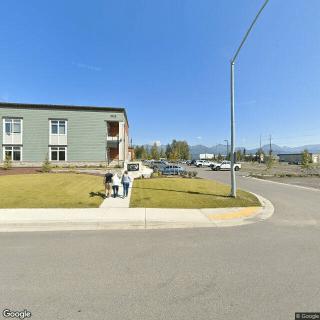
13111 Scottie Court, Anchorage, AK 99515
For more information about senior living options: (866) 208-4318

Overall Review of Tender Hearts Assisted Living
Pros
 Baxter Senior Living is a wonderful place to live, with hard-working, friendly staff who genuinely care about residents.
- The management has fostered a caring, supportive environment that feels like a close-knit community.
- It feels less like a facility and more like a community where residents can get involved and support each other.
- Chad and Travis are considerate in fulfilling residents’ preferences, contributing to Baxter’s reputation as a gem for senior care.
- The environment provides happiness and security, with high-quality meals and reliable assistance.
- The facility is very clean, offers appealing menu options, and the staff are friendly to residents and visitors, with issues resolved promptly.
- Residents thrive socially in Baxter, enjoying activities and comfortable living spaces.
Review
This Anchorage community is best suited for families seeking a warm, home-like environment where social connection drives daily life and where care teams provide steady support as a resident transitions from assisted living into memory care. The strongest signal from these reviews is a lived-in sense of community: residents mingle across wings, volunteers from the assisted-living side step in to help in memory care, and staff members foster an atmosphere that feels less like a facility and more like a cared-for neighborhood. For families prioritizing ongoing companionship, predictable routines, and consistent encouragement to stay engaged, this setting delivers in spades.
Those weighing alternatives should consider who may want more clinical intensity or stricter medical oversight. If a resident needs high-acuity medical management, frequent nursing interventions, or specialized therapy beyond what a social-embedded model provides, an option with deeper clinical resources may be the better fit. Similarly, households aiming for a more independent, low-structure lifestyle or with tighter budgets might find other communities offer a different balance of cost and medical footprint. The point is not discomfort with this model, but rather alignment of care intensity with the resident’s health trajectory and family expectations.
The strongest positives here are tangible and consistent: dedicated, caring staff who genuinely appear to invest in residents’ well-being; a clear sense of community rather than institutional formality; and a leadership team that shows up, listens, and delivers on resident preferences. Cleanliness and attention to detail are repeatedly highlighted, rooms and common areas feel orderly, meals are well-regarded, and issues are addressed promptly. The ability to secure a first-floor room with favorable access to dining and common spaces, plus robust social programming, means residents can stay physically active and socially connected without feeling isolated or overwhelmed by the environment.
A potential drawback to watch for is the absence of granular detail about clinical capabilities within memory care or on evenings and weekends when staffing patterns can shift. While the reviews skew overwhelmingly positive, one 1-star rating suggests that no operation is perfect for every family or every resident. Prospective families should verify the level of clinical oversight available on nights and weekends, confirm memory-care staffing specifics, and ask how care plans are coordinated as needs evolve. In short, confirm that the resident’s medical and therapeutic priorities align with what the campus can consistently deliver.
However, the pros largely offset these concerns because the model’s strength lies in continuity and engagement. The same staff who provide daily assistance also cultivate meaningful relationships, which can reduce anxiety for residents and families alike. The integrated approach, where memory-care residents remain immersed in a supportive, socially rich environment, limits disruption during transitions and preserves dignity and autonomy wherever possible. Clean facilities, reliable meal quality, and a culture of listening to family input contribute to a sense of security that is hard to find in more transactional settings.
In practical terms, families considering this type of Anchorage community should look for a few specifics to guide a decision. Assess the tone and accessibility of staff communication, the responsiveness of management to family concerns, and the availability of meaningful activities that match the resident’s interests. Probe how memory care integrates with assisted living in daily routines, meal service, and social events. Compare this model with other options, especially Tender Hearts or similar campuses, through the lens of who will need the most support, what level of clinical care is truly necessary, and which environment will sustain the resident’s happiness and safety over time. For families prioritizing warmth, community, and steady, compassionate support, this Anchorage setting stands out as a thoughtful, reliable choice.
 2 resident community capacity
 Assisted Living
 Cable or satellite TV
 Dining room
 Fully furnished
 Garden
 Housekeeping services
 Move-in coordination
 Outdoor space
 Telephone
 Wi-Fi/high-speed internet available
 Ted Stevens Anchorage International (7 miles away)
 24-hour supervision
 Activities of daily living assistance
 Assistance with bathing
 Assistance with dressing
 Assistance with transfers
 Diabetes diet
 Meal preparation and service
 Medication management
 Special dietary restrictions
 Transportation arrangement (medical)
 Transportation to doctors appointments

 Understanding the Distinctions: Assisted Living and Memory Care Explained
 Guiding Elderly Parents Who Refuse Assisted Living: 6 Practical Steps
 Your Comprehensive Guide to Luxury Assisted Living: Elevated Facilities, Amenities, and Costs