
12854 Chapel Circle, Anchorage, AK 99516
For more information about senior living options: (866) 208-4318
Overall Review of Hope Chapel
Pros
 They love this church.
- They felt welcomed when they walked in.
- They were treated with dignity and respect, even though they had never met the staff before.
- They loved the place and felt at home.
Cons
 None found in the provided review.
Review
Hope Chapel in Anchorage, AK is best suited for seniors who want a warm, home-like environment where faith, dignity, and personal connection are integral to daily life. This is a community that prioritizes a welcoming atmosphere, where residents are treated with respect from the moment they walk through the door and where belonging feels immediate. It is especially appealing for families seeking a setting that feels less like an institution and more like an extended family that shares values, routines, and a familiar pace.
Those evaluating care options should consider alternatives if medical or memory-specific support is a central requirement. The limited information available here suggests a focus on warmth and community over an on-site, high-intensity clinical program. For seniors who need robust 24/7 nursing, specialized memory care, extensive rehabilitation services, or a secular environment, larger Assisted Living communities, hospital-affiliate facilities, or dedicated memory care campuses in the Anchorage area are likely more suitable. Non-religious residents or families seeking a strictly secular daily routine may also want to look elsewhere to ensure alignment with personal preferences.
The strongest positives center on the lived experience of welcome, dignity, and home feeling. Reviews emphasize that first impressions translate into lasting impressions: visitors feel valued, treated with respect, and as if they belong, not as outsiders. That kind of environment matters deeply for emotional well-being, reducing anxiety around transitions and helping new residents settle in more quickly. A church-connected setting often translates into meaningful social and spiritual engagement, which can be a stabilizing force for residents who derive comfort from shared values, regular gatherings, and familiar rituals.
On the downside, the available feedback is sparse about concrete services, staffing ratios, meal quality, activity depth, or medical oversight. That absence should be weighed against the strengths. In particular, the lack of explicit information about on-site healthcare, memory-support programming, or daily living assistance might leave families uncertain about whether the level of care matches evolving needs. For residents who require robust assistance with daily tasks, mobility support, medication management, or emergency response, this could be a critical gap. The church-centered model may also feel less engaging for those whose interests lie outside faith-based programming.
Yet the pros and cons do not exist in a vacuum. The genuine warmth and sense of “home” can offset limited program breadth for many families, especially when emotional safety and social belonging are priorities. For seniors who value community, spiritual nourishment, and a setting that emphasizes dignity and respectful interactions, those benefits can translate into lower stress, better mood, and more meaningful days. In such contexts, the lack of a wide activity menu is less troubling when residents are forming authentic connections, participating in light day-to-day routines, and receiving consistent, person-centered attention from a staff that clearly grasps the importance of respect and welcome.
The practical verdict centers on match, not simply amenity. Hope Chapel is an excellent choice for seniors who want to be part of a faith-forward, small-community environment where every resident is treated like family and where the sense of “home” is real and consistent. It is less compelling for those whose priorities include intensive clinical care on site, comprehensive secular programming, or a broad slate of amenities and services. Families should approach with a clear assessment of current care needs, long-term trajectories, and comfort with a church-based culture. If those criteria align, the positive emphasis on dignity, warmth, and belonging can make Hope Chapel a uniquely reassuring place to age in place.
To proceed with confidence, prospective residents and families should plan a thoughtful visit focused on three questions: How does the staff respond to medical or daily living needs in real time? What is the cadence of social and spiritual activities, and who leads them? And how flexible is the environment as care needs evolve? In Anchorage, those steps, plus a candid conversation with administrators about staffing, meal options, and accessibility, will reveal whether Hope Chapel can deliver the stability, warmth, and sense of home that its strongest testimonials imply.
 3 resident community capacity
 Assisted Living
 Board and Care Home
 Cable or satellite TV
 Dining room
 Fully furnished
 Garden
 Housekeeping services
 Move-in coordination
 Outdoor space
 Telephone
 Wi-Fi/high-speed internet available
 Ted Stevens Anchorage International (7 miles away)
 24-hour supervision
 Activities of daily living assistance
 Assistance with bathing
 Assistance with dressing
 Assistance with transfers
 Diabetes diet
 Meal preparation and service
 Medication management
 Special dietary restrictions
 Transportation arrangement (medical)
 Transportation to doctors appointments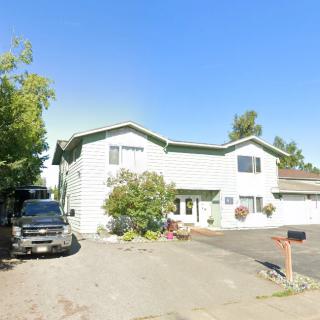

 Exploring the Path to Senior Living: A Comprehensive Look at Independent Living and Assisted Living
 Is Assisted Living Deductible on Your Taxes? Understanding the Complexities of Assisted Living Expenses and Deductions
 Assisted Living Support for Veterans: A Complete and Detailed Overview