
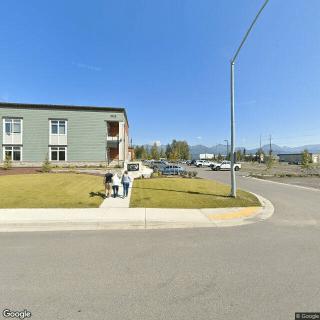
6610 Round Tree Drive, Anchorage, AK 99507
For more information about senior living options: (866) 208-4318
Overall Review of Robert Diana Alh
Pros
 The owner and staff are friendly.
- The home is close to everything.
- The home is located in a quiet neighborhood.
- The house is very neat.
Review
This community is best suited for seniors who want a small, homelike setting in Anchorage, where personal attention and a tidy, neighborhood-based environment are the top priorities. The emphasis on a friendly owner and staff translates into predictable daily routines, ready help when needed, and a sense of safety grounded in direct access to the people who run the home. For residents who value privacy, quiet pace, and a residence with a clearly lived-in feel, this option can feel comfortable and reassuring.
Those considering alternatives should weigh the need for more formalized care, stronger medical oversight, or a broader menu of activities. If the requirement includes extensive assistance with daily living, memory care, transportation to appointments, or robust social programming, larger assisted living communities or specialized facilities will likely deliver more comprehensive support. Families seeking 24/7 on-site nursing, specialized dementia care, or a wide array of structured programs should look beyond a single-family home setting.
The strongest positives, a friendly, engaged owner and staff, a location that is close to a range of services, and a neat, well-kept house, create a compelling case for residents who prioritize trust, accessibility, and a low-stress environment. Proximity to shops, medical offices, and transit options reduces friction for both residents and visiting family, while the neatness and order of the home foster a daily rhythm that can translate into more predictable meals, chores, and personal care. When these elements align with personal preferences, the setting can feel like a natural extension of home, rather than a clinical placement.
However, the main con remains largely implicit due to the brief review: the lack of detail about the level of care and the range of amenities. Without explicit information on meals, medication management, housekeeping, laundry, transportation, activity programming, safety features, and staffing patterns, it is difficult to gauge whether the needs of residents requiring more intensive support will be met. The small footprint of a single-family home also suggests more limited social opportunities and fewer on-site resources than larger communities, which can be a drawback for those who thrive on a bustling schedule or frequent peer engagement.
Yet the pros can offset these gaps for the right resident. A homelike setting often reduces anxiety and promotes consistent routines, which in turn supports sleep quality, appetite, and overall well-being. The personal touch of an attentive owner and responsive staff can compensate for limited formal programming by offering flexible assistance, individualized check-ins, and a sense of belonging that larger campuses sometimes struggle to provide. When independence is valued but occasional help is welcome, the arrangement can feel safer and more satisfying than a crowded facility.
The practical path to a sound decision involves verification and comparison. Prospective residents should request a thorough tour and a detailed written outline of what services are included, what constitutes extra charges, and how emergencies are handled. It is wise to inquire about staffing levels, caregiver qualifications, daily schedules, and transportation options. Compare this option to nearby larger communities and to in-home care arrangements to determine whether the intimate setting delivers enough structure and security for long-term needs. In short, this community shines for those who want a warm, nearby, tidy home with personal attention; for others, especially those with higher care demands, alternatives with broader services will likely be a better fit.
 3 resident community capacity
 Assisted Living
 Board and Care Home
 Cable or satellite TV
 Dining room
 Fully furnished
 Garden
 Housekeeping services
 Move-in coordination
 Outdoor space
 Telephone
 Wi-Fi/high-speed internet available
 Ted Stevens Anchorage International (9 miles away)
 24-hour supervision
 Activities of daily living assistance
 Assistance with bathing
 Assistance with dressing
 Assistance with transfers
 Diabetes diet
 Meal preparation and service
 Medication management
 Special dietary restrictions
 Transportation arrangement (medical)
 Transportation to doctors appointments

 Assisted Living Support for Veterans: A Complete and Detailed Overview
 Exploring the Contrasts Between Assisted Living and Skilled Nursing
 8 Key Indicators That Suggest It May Be Time to Transition from Assisted Living to Skilled Nursing Care