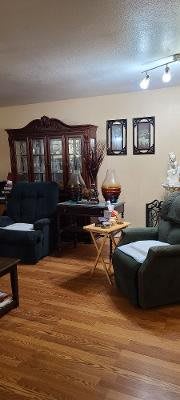
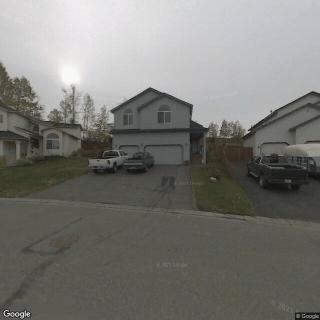
4941 Alpha Circle, Anchorage, AK 99516
For more information about senior living options: (866) 208-4318
Rabe Assisted Living Home Costs & Pricing
Rabe Assisted Living Home offers a range of accommodation options at competitive pricing when compared to both the Anchorage Municipality and the broader state of Alaska. For those considering semi-private rooms, Rabe's monthly fee is $6,000, which notably exceeds the average costs in Anchorage ($4,001) and throughout Alaska ($3,956). Similarly, while private rooms at Rabe are priced at $6,500, this also reflects a higher rate than the local ($4,831) and state averages ($4,977). These figures indicate that while Rabe Assisted Living Home may be positioned at a premium price point relative to its regional counterparts, prospective residents should consider the quality of services and care provided therein as crucial factors when evaluating overall value.
| Floor plans | Rabe Assisted Living Home | Anchorage Municipality | Alaska |
|---|---|---|---|
| Semi-Private | $6,000 | $4,001 | $3,956 |
| Private | $6,500 | $4,831 | $4,977 |
Assisted Living communities with a similar price nearby
-
from -$1000 / mo
Jewel Lake Assisted Living Home
$5,000 / month5.9 miles away -
from +$500 / mo
Campbell Creek House
$6,500 / month4.5 miles away -
from +$200 / mo
Aspen Creek
$6,200 to $7,500 / month4.1 miles away -
from +$295 / mo

Fitchetts Assisted Living
$6,295 to $11,395 / month6.0 miles away -
from -$1000 / mo
St Anne Assisted Living Home
$5,000 / month2.1 miles away
Overall Review of Rabe Assisted Living Home
Pros
 The staff are very caring and thoughtful.
- They are attentive to residents' every need.
- They greet visitors by name and are friendly to families.
- The staff celebrate residents with thoughtful gifts and personalized celebrations.
- The home is open, friendly, and very caring.
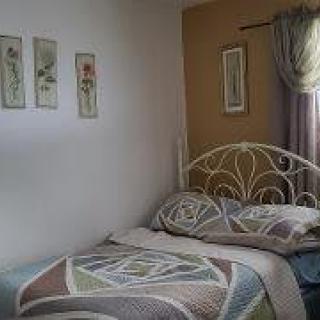
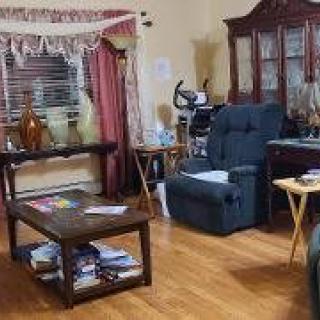
- The house is beautifully clean and pleasant, a real home.
- The staff show a positive attitude and genuine respect and affection for residents.
- The home is safe, residents eat well, and look content.
- The owner knows her stuff when it comes to dementia care, and the home provides a high level of care.
Cons
 They were concerned about stairs if their loved one's health deteriorates down the road, even though a chair lift was available.
- The bathroom being down the hall instead of next to her room would be a big issue for people with dementia.
Review
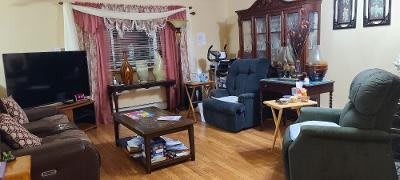
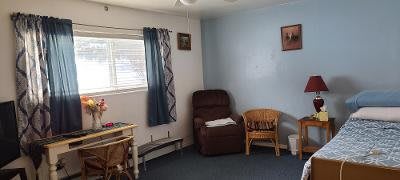
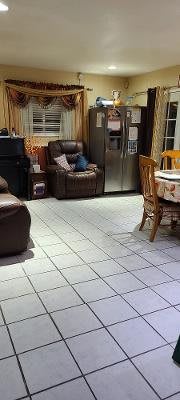
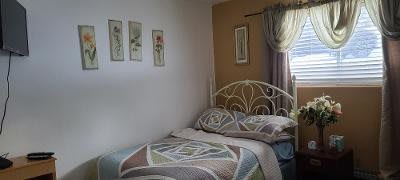
Rabe Assisted Living Home in Anchorage is best suited for families seeking a small, family-owned setting where dementia-aware, genuinely attentive care is delivered in a true home environment. It works especially well for residents who respond to staff who know them by name, celebrate ordinary moments with personal touches, and prioritize warmth over formality. Families prioritizing hands-on engagement, straightforward communication with the owner-operator, and a clean, calm living space will find this community aligns with those expectations. It is a strong match for someone who values daily kindness, real resident interaction, and a home-like routine over a larger, more institutional feel.
Alternatives to consider arise when the priority shifts toward bigger campuses with broader medical staffing, more formal acuity supports, or a layout that might better accommodate evolving mobility needs. If long-term mobility progression is anticipated, or if a floor plan with closer, private bath access or fewer stairs becomes critical, other Anchorage homes with different architectural setups may offer more seamless scalability. For families requiring substantial on-site therapy menus or dining and activity schedules that resemble a resort-like campus, a larger community could better fit those expectations.
The strongest positives are unmistakable in the staff culture. Care is consistently described as very caring and thoughtful, with tangible gestures that go beyond the basics, gifts at Christmas, a birthday cake, and regular, friendly greetings of visitors by name. The home-like atmosphere is reinforced by a meticulous level of cleanliness and a sense that residents are understood and respected. The owner-operator, Josie, brings dementia-specific know-how that translates into practical, no-nonsense guidance and an honest approach to care planning. Families note that the environment feels trustworthy, and that the care team maintains a steady, reassuring attitude even when situations become challenging.
There are practical caveats to weigh. One review highlights a layout nuance, stairs could become a concern if health declines, though a chair lift is available to mitigate that risk. Another point concerns the bathroom location being farther down the hall rather than immediately adjacent to a resident’s room, which can be meaningful for memory-impaired individuals depending on daily routines. These are not fatal flaws, but they are real factors that influence day-to-day convenience and safety as needs evolve. Acknowledge that some families will prefer arrangements that feel more optimized for progressive dementia or mobility limitations.
Despite those considerations, the core advantages, compassionate, experienced staff; a homey, respectful atmosphere; and clear, straight-forward communication, tend to offset the drawbacks for many families. The caring demeanor shows up consistently in how residents are treated, how they are fed, and how daily safety is managed. The combination of attentiveness, authenticity, and practical dementia know-how helps families rest easier knowing that the care plan is grounded in real-world experience rather than a scripted sales pitch.
Bottom line: Rabe Assisted Living Home is a strong choice for families seeking a small, intimate setting with hands-on, dementia-informed care and a staff that treats residents like family. It may not be the best fit for those requiring extensive clinical services, highly specialized mobility accommodations, or a layout designed to accommodate evolving needs at a larger scale. For families willing to prioritize personal connection, a home-like routine, and a front-row view of compassionate caregiving, this community delivers dependable quality and a reassuring daily experience. Plan a careful visit, observe caregiver–resident interactions, confirm accessibility specifics (including stair safety plans and bathroom proximity), and align the care plan with anticipated progression to ensure the fit remains solid as needs evolve.
 5 resident community capacity
 Assisted Living
 Board and Care Home
 Activities off-site
 Air-conditioning
 Bath tubs
 Cable or satellite TV
 Devotional services off-site
 Dining room
 Fully furnished
 Garden
 Handicap accessible
 Housekeeping services
 Indoor common areas
 Move-in coordination
 Outdoor common areas
 Private bathrooms
 Telephone
 Wheelchair accessible showers
 Wi-Fi/high-speed internet available
 Ted Stevens Anchorage International (8 miles away)
 24-hour supervision
 Ambulatory care
 Assistance with bathing
 Assistance with dressing
 Assistance with transfers
 Diabetes diet
 High acuity care
 Incontinence care
 Meal preparation and service
 Medication management
 Special dietary restrictions
 Transportation arrangement (medical)
 Transportation to doctors appointments
 Art classes
 BBQs or picnics
 Birthday parties
 Day trips and outings
 Karaoke
 Live musical performances
 Beyond the Bingo Hall: 50+ Enriching Activities for Seniors in Assisted Living
 Understanding the Distinctions: Assisted Living and Memory Care Explained
 Guiding Elderly Parents Who Refuse Assisted Living: 6 Practical Steps