
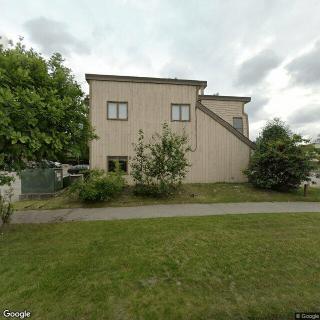
1102 & 1104 West 29th Place, Anchorage, AK 99503
For more information about senior living options: (866) 208-4318
Overall Review of NAATH Assisted Living Home
Pros
 The Marietta House is described as one of the best assisted living options in Anchorage.
- The Lommel family and their staff treat every resident like family and attend to individual needs without hesitation.
- Bonnie’s attention to detail and experience are credited with providing exceptional care.
- Alex and Bonnie are described as a Godsend to families, maintaining open communication and allowing visits anytime.
- The facility is beautiful and the staff are caring, creating a warm, family-like atmosphere.
- The home feels welcoming and comfortable, with a clean, well-laid-out environment and the aroma of home-cooked meals.
- The owners are hands-on, ensuring the resident experience is exactly what is wanted.
- The staff provide a loving and caring environment where residents feel truly part of the family.
Cons
 They felt denied access to information and were told to trust the staff rather than worry about their mother’s care.
- Bonnie refused to talk with them and avoided them after they questioned the staff’s behavior.
- The mother had to push to get blood work, which contradicted hospice predictions.
- They were told separately that the mother probably wouldn’t live through the weekend, which they found inappropriate to tell the mother alone.
- Six weeks later the mother was discharged back to Marlow Manor with promises of visits that never occurred.
- The food portions were small, causing the mother to lose 18 pounds.
- The caregivers in the room next to the mother allegedly sold river-side property and a cabin to Alex, raising concerns about propriety.
- The reviewer felt that hospice care failed.
- They urged that an informed advocate should be welcomed, not demeaned or put off.
Review
This community is best suited for families seeking a warm, intimate, family-run assisted living experience in Anchorage, where owners are visibly involved and residents are treated like cherished members of the family. The strongest draw is a home-like atmosphere fueled by hands-on leadership, frequent owner presence, and a culture that prioritizes personal attention. Reviewers repeatedly highlighted a sense of belonging, with staff who know residents well, adapt to individual routines, and maintain a welcoming environment that feels less like a facility and more like a private home. For families prioritizing meaningful relationships, consistent visitation, and daily reassurance that a loved one is known and cared for, this setting delivers strong confidence and comfort.
Explicitly, those who may want to look at alternatives include families whose primary need is robust clinical oversight, large-scale programming, or a highly transparent medical information process. The reviews point to a small, family-oriented model that can lag behind bigger communities in formalization of medical updates or broad, on-site clinical resources. One reviewer flagged concerns about access to information and questioned how medical communications were handled, suggesting that an advocate should expect clear, timely updates and unambiguous sharing of health data. For families requiring stringent medical governance, or who want a setting with more formalized protocols, exploring other options is prudent.
The core positives, personalized care, a genuinely nurturing tone, and a homey, well-kept environment, often offset the potential downsides. Families described the owners as deeply involved, attentive to each resident’s preferences, and accessible around the clock, with visits welcomed at any time. The environment was consistently cited as clean, beautiful, and comfortable, with meals that felt like home and staff who treated residents with respect and dignity, including during end-of-life care. These elements create a safety-net of emotional well-being and daily stability that can be hard to find in larger facilities, especially when a loved one values continuity, familiarity, and a sense of belonging.
Where the model shows its natural limits is in the balance between intimate, person-centered care and formal medical coordination. The strength of a small, hands-on operation can become a constraint if medical oversight needs outpace what a compact team can sustain. Critics highlighted the need for clearer medical-information sharing and more explicit governance over decisions that involve hospice or external clinicians. The tension between maintaining a cozy, family feel and ensuring rigorous clinical communication is real: families must confirm policies on medical records access, care planning, and how updates are shared when health status changes. Prospective residents should test these processes during tours and staff introductions.
In practical terms, this means prospective movers should come prepared with a concrete checklist. Ask how care plans are developed and revised, who has the final say on medical decisions, and how frequently family members receive written updates. Request a tour of the dining area to assess nutrition and portion sizes, and discuss dietary needs, preferences, and any required restrictions. Inquire about on-site caregiving ratios, weekend coverage, and the integration with hospice or hospital partners to ensure comfort and safety align with expectations. Finally, seek references from families who recently navigated transitions or end-of-life care, it's essential to gauge consistency across caregivers and shifts.
Bottom line: for families seeking a deeply familial, intimate setting in which residents are known personally and treated with genuine warmth, this option stands out as highly compelling. The strong points, hands-on ownership, responsive caregivers, home-like ambiance, and a culture of inclusion, often outweigh the drawbacks, particularly when medical information flow is understood and managed transparently. However, those who prioritize comprehensive medical infrastructure, rigorous data-sharing practices, or a larger, more resource-rich environment should actively compare alternatives before deciding. The right choice hinges on aligning the family’s comfort with the level of clinical oversight and the clarity of communication that will sustain trust over time.
 4 resident community capacity
 Assisted Living
 Cable or satellite TV
 Dining room
 Fully furnished
 Garden
 Housekeeping services
 Move-in coordination
 Outdoor space
 Telephone
 Wi-Fi/high-speed internet available
 Ted Stevens Anchorage International (3 miles away)
 24-hour supervision
 Activities of daily living assistance
 Assistance with bathing
 Assistance with dressing
 Assistance with transfers
 Diabetes diet
 Meal preparation and service
 Medication management
 Special dietary restrictions
 Transportation arrangement (medical)
 Transportation to doctors appointments



 Comprehensive Residential Support and Assisted Living Solutions for Individuals with Disabilities
 Comprehensive Supportive Living Arrangements for Adults with Disabilities
 Funding and Affording Assisted Living: A Thorough Overview