Golden Years
Save
3510 Spenard Rd, Anchorage, AK 99503
For more information about senior living options: (844) 490-3973
Cook Inlet Housing Authority (CIHA) emerges in these accounts as a mixed bag of experiences, where moments of genuine helpfulness and warm service sit alongside chronic communication problems, unclear processes, and frustration over funding and waitlists. Several reviews center on a single, troubling thread: promises of back rent or housing assistance that do not translate into reliable support, followed by last-minute changes or unexpected charges. One narrator, an Alaskan Native widower seeking housing help, explains that in May 2025 CIHA said they would assist with back rent and would cover May through July. By the last day of July, funding was withdrawn and the household was hit with a roughly $6,000 bill. The reviewer emphasizes that four different CIHA employees had assured them funding would come, and that there was no cause for concern. The abrupt reversal, she says, left them overwhelmed and suspicious about what to expect from CIHA in the future, despite admiring the rebuilding of the physical spaces.
That same account details a broader experience of waiting and barriers. The narrator explains waiting a full month to get help, with a pivotal moment tied to a missing packet that cost merely $20. A counselor refused to assist without the packet, and only after involving a supervisor did help seem possible. This single packet incident encapsulates a recurring theme: the organization can feel friendly and accommodating in person, but the back-end processes and follow-through are inconsistent and sometimes punitive in small but financially consequential ways. Even with moments of positive interaction - describing staff as friendly and the environment as clean and calm - the overall experience remains clouded by miscommunication and administrative hurdles.
Across the collection of reviews, several voices contrast CIHA's pleasant, welcoming in-person demeanor with a troubling pattern of unresponsiveness and disorganization. One reviewer explicitly compares CIHA to Alaska Housing, arguing that both entities promise help but repeatedly fail to follow through, whether in returning calls, progressing interviews, or moving people toward actual housing opportunities. The sentiment is that the organization can "do good" in terms of facilities and mission, yet falter profoundly in practical execution - leaving applicants frustrated, sometimes having already spent time and money on applications for properties they may never reach.
The friction extends to the specifics of applying for housing and the calculation of eligibility. Several reviewers recount a frustrating process of applying to multiple properties, often feeling pushed toward market-rate or tax-credit options that may not align with the applicant's stated needs. One participant describes a scenario where the staff seemed unable to consistently verify which properties were actually available, leading to miscommunications about waitlists. There is also a recurring complaint about the method of applications (online or fax, for example) and how difficult or even impossible it is to submit documents, with some reviewers reporting back-and-forths that yield little progress. The impression left is that the organization sometimes overpromises efficiency and access to properties, only to reveal a complicated, opaque, or ill-executed process when an applicant tries to move forward.
Interwoven with these systemic concerns are sharply critical personal experiences with particular staff members. A number of reviewers highlight instances of rude or unprofessional behavior at the front desk, with references to eye-rolling, a lack of basic courtesy, and refusals to help without proper appointments. Specific names crop up: one reviewer mentions a front-desk worker who insisted on an appointment despite being told drop-off was acceptable, then reportedly rolled her eyes and declined aid. Others single out individuals as unhelpful or slow, lamenting a general sense that some staff members do not demonstrate the empathy or professionalism one would expect when a housing authority is involved. In contrast, a few entries praise certain CIHA staff or partners as empathetic and effective, suggesting that positive experiences are possible, but not consistent.
There are also more concrete, problematic encounters with administrative decisions that directly affect tenants or applicants. One review describes a landlord charging for carpet replacement after years of occupancy, followed by charges for cleaning when the unit had already been cleaned multiple times. The reviewer notes a death in the family and explains that even in bereavement, CIHA's involvement did not yield relief or consideration; the tenant still faced penalties or ongoing payments. Another account - linked to public-facing communications - depicts a person who ended up removed from waitlists after encountering incorrect information and shifting guidance from different CIHA staff members, including mentions of marketing managers and specific individuals like Dawn Gold and Renee Meza. The theme here is a sense that inaccurate or conflicting information can derail an applicant's plans, leading to mistrust and disengagement.
Amidst the criticisms, a few passages acknowledge CIHA's broader identity as a native-serving organization with a mission to empower people through housing. Some reviewers describe CIHA as "a native organization that empowers people through housing" and praise it as a fast, easy application process when done online. Another note highlights how CIHA's work can be life-changing for clients, particularly younger tenants who gain confidence and hope through staff support and respectful engagement. These positive anecdotes underscore the organization's potential when it operates smoothly, illustrating a dual reality: CIHA can be a source of tangible help and inspiration, but that potential is frequently impeded by inconsistent service, fragile follow-through, and administrative gaps.
Taken together, the stories paint a nuanced portrait of Cook Inlet Housing Authority. The institution is capable of fostering respectable, helpful, and respectful interactions, and many reviewers underscore the importance and value of compassionate staff, clean facilities, and a sense that there is genuine care for residents and applicants. Yet, the same collection of accounts makes clear that miscommunication, uneven staff performance, and opaque policies frequently undermine those strengths. Promises of funding and assistance can dissolve abruptly; waitlists, property availability, and application processes can feel capricious; and even when good intentions are evident, practical outcomes - like securing an apartment or avoiding unexpected charges - do not consistently align with those intentions. The overall impression is a system with meaningful potential but serious room for improvement in communication, coordination, and customer service.
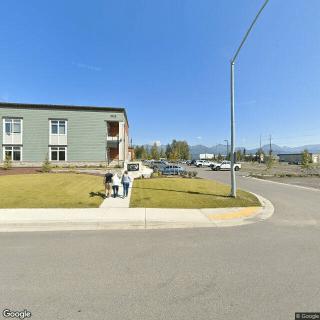
Golden Years in Anchorage, AK is an assisted living community that offers a convenient and vibrant lifestyle for seniors. Located in a bustling area, residents can enjoy easy access to various amenities and services.
For those who appreciate a good cup of coffee or tea, there are 8 cafes nearby where they can socialize with friends or relax with a book. Nature enthusiasts will love the close proximity to 7 parks, providing opportunities for leisurely walks, picnics, or simply enjoying the beautiful surroundings.
Healthcare needs are well catered for at Golden Years, with 11 pharmacies and 32 physicians nearby. This ensures that residents have easy access to medications and healthcare professionals when needed. Additionally, there are 4 hospitals in close proximity, offering peace of mind knowing that quality medical care is readily available.
Food lovers will delight in the variety of dining options close by. With 34 restaurants to choose from, residents can indulge in different cuisines and dine out conveniently with family and friends.
Transportation is easily accessible with 2 options nearby, making it simple for residents to navigate the city or visit local attractions. For those seeking spiritual solace or looking to connect with their faith community, there are also 2 places of worship within reach.
At Golden Years, we strive to provide a comfortable and enriching environment for our residents. With its prime location and abundance of amenities nearby, our assisted living community offers convenience, opportunities for social interaction, and access to essential services – creating an ideal setting for seniors to enjoy their golden years.
This area of Anchorage, Alaska is a bustling and convenient neighborhood with a variety of amenities within close proximity. You will find several cafes for relaxing outings or meetings with friends, as well as pharmacies and physicians' offices for easy access to healthcare services. There are also a number of restaurants offering diverse dining options to cater to your preferences. The neighborhood is home to places of worship for spiritual nourishment, hospitals for medical care, and parks for leisurely strolls or outdoor activities. Additionally, transportation options like the Lake Hood Seaplane Base provide convenience for travel needs. Overall, this part of Anchorage offers a vibrant community atmosphere with a blend of services and recreational opportunities suitable for senior living.
Golden Years is located at 3510 Spenard Rd, Anchorage, AK 99503 in Anchorage Municipality, Alaska
6 Crucial Ways an Elder Law Attorney Assists Families

Elder law attorneys assist older adults and their families with legal matters such as estate planning, Medicaid eligibility, and guardianships, while also providing protection against elder abuse. They help navigate complex regulations to safeguard financial resources, ensure well-being, and maintain autonomy for seniors.
Navigating the Tax Landscape of Caregiving: Credits, Deductions, and Beyond

Caregiving for an aging parent entails emotional and financial responsibilities accompanied by significant tax implications, including potential benefits from claiming them as dependents and deductions for medical expenses and caregiving costs. Caregivers must understand eligibility requirements, maintain thorough documentation, and consider consulting a tax professional to navigate these complexities effectively.
Highly Beneficial Low-Impact Exercises for Senior Living Residents
Low-impact exercises are vital for seniors as they promote health, independence, and social interaction while reducing joint strain. These adaptable activities, guided by healthcare professionals, enhance strength, flexibility, and emotional well-being.