Little Genie Assisted Living Home in Anchorage, AK

Save
Little Genie Assisted Living Home

Little Genie Assisted Living Home in Anchorage, AK

2229 Sunrise Drive, Anchorage, AK 99508

For more information about senior living options: (844) 490-3973

4.5 from 8 reviews
5 stars
7
4 stars
0
3 stars
0
2 stars
0
1 stars
1

Assisted Living Board and Care Home

Overall Review of Little Genie Assisted Living Home

Pros

  • pro The staff are amazing and the homes are beautiful.
  • pro Sunrise Community Living supports the community, and it shows.
  • pro The group home is good.

Cons

  • pro They would rate it lower than 1 star.
  • pro They would not recommend Sunrise Community Living after working directly with the owner.

Review

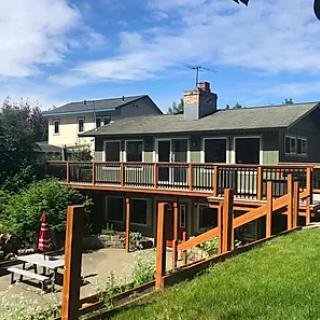
Little Genie Assisted Living Home in Anchorage is best suited for seniors who want a warm, home-like living environment and value hands-on, compassionate caregiving delivered by stable, approachable staff. The small, group-home feel supports residents who prefer intimate daily interactions over the hustle of a large campus. Families seeking predictable routines, visible caregiver relationships, and a sense of belonging in a neighborhood setting will find this option particularly appealing. It suits individuals who can thrive with a lighter administrative footprint and who appreciate caring staff who know residents well and can respond quickly to everyday needs.

Those who may want to consider alternatives include families prioritizing more formalized oversight or broader medical resources. If a resident requires around-the-clock licensed nursing, complex clinical care, or a governance model with extensively documented policies and corporate accountability, a larger community with centralized management may be a better match. A notable caveat here is the mixed impression about leadership dynamics; at least one reviewer points to concerns about working directly with the owner. For households that prioritize flat linage of authority, transparent decision-making, and readily accessible ownership, another option with more clearly defined governance could bring greater peace of mind.

The strongest positives center on the living experience: exceptional staff and beautifully kept homes. Reviews repeatedly praise the caregivers for their warmth, attentiveness, and everyday support, which translates into residents feeling truly cared for. The homes themselves are described as attractive and comfortable, reinforcing a sense of security and belonging in a familiar, domestic setting. The group-home model appears to foster closer relationships among residents and staff, contributing to a cooperative, supportive daily life. When social connection and consistent personal attention are primary drivers of choice, these factors carry substantial weight.

Yet the same strengths illuminate the potential gaps. An outstanding caregiving team can offset some limitations, but not all. The small-scale operation may naturally offer less on-site medical infrastructure or fewer specialized programs than larger facilities. For families where urgent access to a wide range of clinical services, on-site therapy, or diverse activity offerings matters, these constraints could become more apparent. The concern voiced about the owner's role hints at possible inconsistency in policy enforcement or communication. In such cases, the practical impact centers on reliability and predictability: are decisions made transparently? Is the caregiving team empowered to act without waiting for owner-level input? These questions matter more when care needs intensify or routines must adapt quickly.

Bottom-line guidance: this community is a strong fit for families prioritizing a comforting, home-forward atmosphere with high-quality, personable care. It shines where there is comfort in a tight-knit team and a residential vibe that emphasizes everyday kindness and stability. For households with modest clinical expectations and a wish to avoid the impersonal feel that can accompany larger campuses, Little Genie is a compelling match. Conversely, those who demand formal governance, frequent owner access, or robust on-site medical resources should evaluate other options that offer a more structured oversight and broader clinical capabilities. The decision should hinge on clarity about leadership accessibility, staffing continuity, and the concrete care plan each resident will receive.

Action steps to decide confidently: schedule an in-person visit with a prepared list of questions about staffing ratios, daily schedules, and how care plans are developed and updated. Request to meet some of the caregivers who would be assigned to the resident, and ask current families about communication rhythms, responsiveness, and how concerns are handled. Probe the owner's availability and management style to gauge whether transparency and consistency align with family expectations. Finally, compare with nearby alternatives that provide a larger community feel or a wider range of clinical services. When evaluated this way, the strengths in staff tenderness and home-like ambiance can be weighed against potential governance and resource gaps to determine the best fit for long-term peace of mind.

Features

Housing

  • 5 resident community capacity 5 resident community capacity

Types of Care

  • Assisted Living Assisted LivingAssisted living facilities provide crucial support and care for seniors who may need help with daily tasks such as medication management, bathing, and meal preparation. These communities offer a safe and comfortable environment where seniors can maintain their independence while receiving the assistance they need to thrive in their golden years.
  • Board and Care Home Board and Care HomeBoard and care homes provide a smaller, more intimate setting for seniors who require assistance with daily tasks but do not need the level of care offered by a nursing home. They offer personalized care, meals, and social activities in a homelike environment, ensuring that seniors receive individualized attention and support in their golden years.

Amenities

  • Cable or satellite TV Cable or satellite TVCable or satellite TV is important for seniors because it provides entertainment, news, and companionship, helping to combat loneliness and boredom. It also offers a wide range of programming options tailored to different interests and preferences.
  • Dining room Dining roomDining rooms are important for seniors as they provide a space for socialization, connection, and nutritious meals. They offer opportunities for residents to bond over shared meals, foster a sense of community, and promote healthy eating habits. Dining rooms also ensure that seniors have access to well-balanced meals tailored to their dietary needs and preferences.
  • Fully furnished Fully furnishedFully furnished senior living communities are important for seniors because they provide convenience, comfort, and a hassle-free moving experience. Seniors can easily settle into their new living space without the stress of having to buy and move furniture. This allows them to focus on enjoying their new home and community.
  • Garden GardenGardens are important for seniors as they provide a peaceful and therapeutic environment for relaxation, physical activity, and socialization. Being in nature has been shown to reduce stress, improve mood, and promote overall well-being. Gardens also offer opportunities for seniors to engage in gardening activities, which can improve mobility, flexibility, and cognitive function. Additionally, gardens create a sense of community and connection with others who share a passion for plants and outdoor spaces.
  • Housekeeping services Housekeeping servicesHousekeeping services are important for seniors because they help maintain a clean and safe living environment, promote independence, and reduce the risk of accidents or illnesses. Additionally, having assistance with household chores can alleviate physical strain and allow seniors to focus on other aspects of their well-being.
  • Move-in coordination Move-in coordinationMove-in coordination is important for seniors because it helps ease the transition into their new living environment. It ensures that all logistics, such as packing, organizing movers, and setting up utilities are taken care of, allowing seniors to focus on settling in and adjusting to their new home. Having a smooth move-in process can alleviate stress and anxiety, making the transition smoother and more enjoyable for seniors.
  • Outdoor space Outdoor spaceOutdoor spaces are important for seniors as they provide opportunities for physical activity, social interaction, exposure to natural light and fresh air, and a sense of connection to nature. Having access to outdoor spaces can improve overall well-being and quality of life for older adults living in senior communities.
  • Telephone TelephoneTelephones are important for seniors as they provide a lifeline for communication with loved ones, emergency services, and healthcare providers. They offer a sense of security and independence, enabling seniors to stay connected and access assistance when needed.
  • Wi-Fi/high-speed internet available Wi-Fi/high-speed internet availableWi-Fi/high-speed internet is important for seniors to stay connected with loved ones, access online resources, and participate in virtual activities to combat feelings of loneliness and isolation. It also allows them to easily manage healthcare needs, access entertainment, and engage in lifelong learning opportunities.

Transportation

  • Ted Stevens Anchorage International (6 miles away) Ted Stevens Anchorage International (6 miles away)

Care Services

  • 24-hour supervision 24-hour supervision24-hour supervision is important for seniors to ensure their safety, well-being, and access to immediate assistance in case of emergencies or health issues. This constant support provides peace of mind for both seniors and their loved ones, allowing them to age in place with dignity and security.
  • Activities of daily living assistance Activities of daily living assistanceActivities of daily living assistance are important for seniors because they provide essential support with tasks such as eating, bathing, dressing, and mobility. This assistance helps seniors maintain their independence, dignity, and overall quality of life as they age.
  • Assistance with bathing Assistance with bathingAssistance with bathing is crucial for seniors as it helps maintain personal hygiene, prevents infections, and ensures their overall well-being and comfort. It also provides a sense of dignity and independence for seniors who may struggle with this task on their own.
  • Assistance with dressing Assistance with dressingAssistance with dressing is important for seniors because it helps maintain their independence, promotes personal hygiene, prevents accidents and injuries, and improves overall quality of life. This service ensures that seniors can continue to dress comfortably and confidently, despite any physical limitations they may have.
  • Assistance with transfers Assistance with transfersAssistance with transfers is crucial for seniors as it helps prevent falls and injuries, maintains their independence, and ensures they can safely navigate their living environment. It also provides peace of mind for both seniors and their loved ones.
  • Coordination with health care providers Coordination with health care providersCoordination with health care providers is crucial for seniors to ensure proper medical care, medication management, and overall well-being. This collaboration helps prevent overlapping treatments, track progress more effectively, and provide comprehensive support tailored to individual needs.
  • Diabetes diet Diabetes dietA diabetes diet is crucial for seniors as it helps manage blood sugar levels, reduce risks of complications, and improve overall health and well-being. By following a balanced and nutritious diet tailored to their specific needs, seniors can better control their diabetes and enhance their quality of life.
  • Meal preparation and service Meal preparation and serviceMeal preparation and service are crucial for seniors as they may have limited mobility or energy to cook nutritious meals. Having access to healthy and convenient food options can ensure they are getting the proper nutrition needed to maintain their overall health and well-being.
  • Medication management Medication managementMedication management is crucial for seniors to ensure they are taking the right medications at the correct dosages and times. This helps prevent adverse drug interactions, reduces the risk of medication errors, and promotes overall health and well-being. Proactive management also allows for adjustments as needed based on changing health conditions or new prescriptions.
  • Special dietary restrictions Special dietary restrictionsSpecial dietary restrictions are important for seniors because age-related changes in metabolism and health conditions can make it difficult for their bodies to process certain foods. By following a diet tailored to their specific needs, seniors can maintain their overall health and well-being, manage chronic conditions, and reduce the risk of complications such as malnutrition or food interactions with medications.
  • Transportation arrangement (medical) Transportation arrangement (medical)Transportation arrangements for medical purposes are essential for seniors as they may have difficulty driving themselves to appointments or accessing public transportation. Having reliable and safe transportation options ensures that seniors can receive timely medical care and maintain their health and well-being.
  • Transportation to doctors appointments Transportation to doctors appointmentsTransportation to doctors' appointments is crucial for seniors as it ensures they have access to necessary medical care and support for their health needs. Without reliable transportation, seniors may struggle to attend important appointments, leading to potential delays in treatment and health complications. Providing transportation services helps seniors maintain their overall well-being and quality of life.

Dining

  • Diabetes diet Diabetes dietA diabetes diet is crucial for seniors as it helps manage blood sugar levels, reduce risks of complications, and improve overall health and well-being. By following a balanced and nutritious diet tailored to their specific needs, seniors can better control their diabetes and enhance their quality of life.
  • Special dietary restrictions Special dietary restrictionsSpecial dietary restrictions are important for seniors because age-related changes in metabolism and health conditions can make it difficult for their bodies to process certain foods. By following a diet tailored to their specific needs, seniors can maintain their overall health and well-being, manage chronic conditions, and reduce the risk of complications such as malnutrition or food interactions with medications.

Activities

  • Community-sponsored activities Community-sponsored activitiesCommunity-sponsored activities are important for seniors as they provide opportunities for social interaction, mental stimulation, and physical activity. These activities can help improve overall well-being, combat loneliness and isolation, and promote a sense of belonging and purpose among older adults.
  • Scheduled daily activities Scheduled daily activitiesScheduled daily activities are important for seniors because they provide structure, socialization, mental stimulation, and physical activity. Engaging in regular activities can improve overall well-being and quality of life for seniors living in a community setting.

Description

Little Genie Assisted Living Home is a warm and welcoming board and care home located in Anchorage, AK. Our facility provides a comfortable and safe environment for seniors who require assistance with their daily living activities.

At Little Genie, our residents can enjoy the cozy atmosphere of our fully furnished rooms. We have a beautiful garden where they can relax and soak up some sunshine. Our dedicated housekeeping staff ensures that the rooms are always clean and tidy.

We understand that moving can be stressful, so we offer move-in coordination services to make the transition as easy as possible for our residents. In addition, we provide outdoor space for them to enjoy nature and a telephone line for communication with their loved ones. Wi-Fi/high-speed internet is also available so they can stay connected with the digital world.

Our caring staff is trained to assist residents with activities of daily living such as bathing, dressing, and transfers. We work closely with health care providers to ensure that all medical needs are met. For those with diabetes or special dietary restrictions, we offer specialized meal preparation and service to cater to their needs.

Transportation arrangement for medical purposes is provided, including transportation to doctors' appointments. We also have dining options that accommodate special dietary restrictions.

To keep our residents engaged and entertained, we have scheduled daily activities designed to promote socialization and well-being. Cafes, parks, restaurants, pharmacies, physicians' offices, and hospitals are conveniently located nearby for additional convenience.

At Little Genie Assisted Living Home, we strive to provide personalized care in a nurturing environment where seniors can feel comfortable and valued while receiving the support they need.

Nearby Places of Interest

This part of Anchorage, Alaska, is a convenient and accessible location for senior living. It offers a range of healthcare facilities such as physicians' offices, hospitals, and pharmacies within close proximity, providing easy access to medical care when needed. The area also features cafes and restaurants for dining out options, as well as parks like Woodside Park for leisurely walks or outdoor relaxation. With a variety of amenities nearby, including imaging centers and behavioral health services, seniors can feel assured that their health needs are well catered to in this neighborhood.

Physicians

  • University Imaging Center (0.3 miles)
  • Ray Robinson (0.5 miles)
  • Medical Park Family Care (0.6 miles)
  • North Star Behavioral Health System (0.6 miles)
  • Alaska Family Medicine Associates (0.7 miles)
  • Alaska Imaging Associates (0.7 miles)
  • Neurological Consultants Of Alaska (0.7 miles)

Hospitals

  • Hall, Meghan - Coalition Health Center (0.7 miles)
  • North Star Behavioral Health System Hospital (0.7 miles)
  • Psychiatric Emergency Department at Providence Alaska Medical Center (0.8 miles)
  • Providence Medical Center Pharm (0.8 miles)
  • Providence Day Surgery (0.8 miles)
  • Providence Health & Services-Washington (0.9 miles)
  • The Children's Hospital at Providence Prenatal Unit (0.9 miles)

Pharmacies

  • Ivy Home Infusions (0.7 miles)
  • Providence Health Park Pharmacy (0.9 miles)
  • Carrs Pharmacy (1.3 miles)
  • Lake Otis Pharmacy (1.3 miles)
  • Fred Meyer Pharmacy (1.3 miles)

Cafes

  • Arctic Grounds Coffee Company (0.8 miles)

Restaurants

  • Village Inn (1.2 miles)
  • Taco Bell (1.3 miles)
  • McDonald's (1.3 miles)

Parks

  • Woodside Park (1.3 miles)

Frequently Asked Questions

Where is Little Genie Assisted Living Home?

Nearby Communities

  • Santo Nino Alh

    Santo Nino Alh

    Anchorage, AK


    pro Cozy, home-like board-and-care with 24/7 supervision, personalized ADL support, and diabetes-friendly dining.

  • Arc Kuskokwim

    Arc Kuskokwim

    Anchorage, AK

    3.7 from 29 reviews
     

    pro Fully furnished board-and-care with 24/7 supervision, ADL support, and transportation to medical appointments.

  • Hope Forest

    Hope Forest

    Anchorage, AK

    4.3 from 41 reviews
     

    pro Small, personalized board-and-care with comprehensive support (meals, meds, activities, and medical transport).

  • Sunrise Community Living

    Sunrise Community Living

    Anchorage, AK

    4.5 from 8 reviews
     

    pro Intimate, small community with personalized care and comprehensive amenities (furnished apartments, meals, housekeeping, activities, medical transport, and Wi-Fi).

  • Arc 2210 Unit 2

    Arc 2210 Unit 2

    Anchorage, AK

    3.7 from 29 reviews
     

    pro Fully furnished living spaces with 24-hour supervision, medical coordination, and transportation to medical appointments.

  • Hope Sunrise

    Hope Sunrise

    Anchorage, AK

    4.3 from 41 reviews
     

    pro Small, personalized care with comprehensive services.

  • Aspen Creek

    Aspen Creek

    Anchorage, AK

    4.7 from 64 reviews
    $6,200 to $7,500 / month

    pro Friendly, attentive staff in a beautiful, well-maintained facility with engaging activities.

  • Northern Comfort

    Northern Comfort

    Wasilla, AK


    pro Small, intimate setting with 24/7 supervision and personalized care.

Assisted Living in Nearby Cities

Related Resources

  • when to move from assisted living to nursing home8 Key Indicators That Suggest It May Be Time to Transition from Assisted Living to Skilled Nursing Care

    The transition from assisted living to skilled nursing care is often prompted by complex medical needs that assisted living cannot meet, with key indicators including frequent health declines, increased falls, severe memory issues, and caregiver burnout. Families should recognize these signs early to discuss options with healthcare providers and prepare for the emotional and logistical aspects of moving to a facility that offers comprehensive medical support.

  • active senior livingVibrant Senior Living: A Comprehensive Guide for Active Older Adults

    Vibrant Senior Living emphasizes active senior living communities that promote independence and engagement through diverse amenities and activities, fostering wellness and social interaction among older adults. These communities range from independent to assisted living, with a focus on personal growth, family involvement, financial planning, and leveraging technology to enhance residents' experiences.

  • when to move from assisted living to memory careWhen to Transition from Assisted Living to Memory Care: Key Indicators, Steps, and Finding the Right Community

    Transitioning from assisted living to memory care is driven by an individual's cognitive decline and specific needs, requiring careful evaluation of indicators like increased confusion and wandering. The process involves consulting medical professionals, researching suitable communities, considering financial and legal aspects, and ensuring effective communication for personalized care plans.