
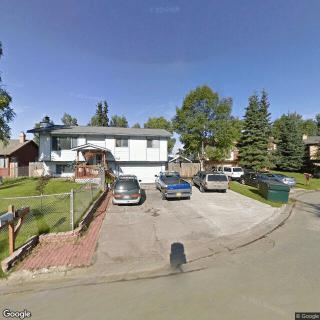
1141 West 68th Ct, Ancorage, AK 99518
For more information about senior living options: (866) 208-4318
Overall Review of 1Love Assisted Living Home
Pros
 Grace genuinely cares for the residents.
- The staff treat residents with dignity, love, and patience.
- The facility offers a warm, home-like environment where residents interact happily.
- Residents are kept clean and groomed during visits.
- Residents can enjoy activities like singing and ice cream with supportive staff.
- Families are kept informed about every aspect of care.
- The facility is nurse-directed and well equipped to care for residents.
- The staff are conscientious and provide compassionate end-of-life care.
- They would highly recommend Jewel Lake Assisted Living Home.
Cons
 The family found the search for a suitable care facility for their father extremely stressful.
- Dementia is a terrible disease.
Review
This community is best suited for families seeking a warm, home-like setting where dementia care and end-of-life support are the guiding priorities. The reviews highlight a hands-on owner, Grace, who genuinely cares for residents and treats them with dignity, patience, and personal attention. For loved ones with Alzheimer’s or other forms of dementia who value consistency, comfort, and a stable routine, this environment can provide meaningful peace of mind and a sense of safety during difficult times.
Alternatives should be considered for residents with higher medical needs or for families seeking a larger, more clinical footprint. While the facility is nurse-directed and dementia-trained, its small-house dynamic may not deliver the breadth of medical oversight, rapid specialty access, or the structured programming you find in bigger memory-care campuses or skilled-nursing communities. If the expectation is hospital-level monitoring, advanced therapies, or a robust continuum of care within a single campus, other options may be more appropriate.
The strongest positives present a compelling offset to these potential drawbacks. The staff’s evident conscientiousness, gentle demeanor, and respect for residents’ dignity translate into daily routines that feel intentionally tailored, not bureaucratic. Residents are well-groomed, engaged in activities such as music or simple social moments on the back deck, and kept in a clean, warmly maintained environment. Family members consistently report being informed about care decisions, underscoring a transparent, collaborative approach that reduces anxiety for those watching over a loved one’s welfare.
That personal, nurse-guided framework matters when evaluating fit. Pros such as Alzheimer’s and dementia-specific training, the ability to deliver end-of-life care without transferring a resident to another facility, and a setting designed to minimize stress contribute to a cohesive care story. The home atmosphere, combined with attentive supervision, can yield steadier days for residents who thrive on familiar rhythms and a predictable schedule. The caveat lies in recognizing that this model may not satisfy every medical contingency or desire for a broader menu of therapeutic services that larger providers can offer.
In practical terms, families should verify a few key elements before deciding. Ask about the on-site nursing presence, care-plan customization, and how shifts are staffed to ensure consistent coverage. Inquire about specific dementia-care protocols, daily activity options, and how end-of-life preferences are honored in real time. Observe interactions during visits, assess the cleanliness and safety features, and request opportunities to meet the owner or direct caregivers to gauge compatibility with the resident’s personality and routines. Ensure understanding of how information is shared with families and what triggers escalations or changes in care.
Bottom line: for families prioritizing a comforting, intimate setting with dedicated dementia-focused care and clear, compassionate communication, this community stands out as a strong choice in Anchorage. Its strengths, the intimate, home-like environment, hands-on leadership, and nurse-directed, end-of-life-capable care, form a powerful value proposition. Should the resident require more intensive medical oversight, broader clinical programming, or a larger campus with extensive specialty services, alternatives with a more formal medical footprint should be explored.
 5 resident community capacity
 Assisted Living
 Cable or satellite TV
 Dining room
 Fully furnished
 Garden
 Housekeeping services
 Move-in coordination
 Outdoor space
 Telephone
 Wi-Fi/high-speed internet available
 Ted Stevens Anchorage International (3 miles away)
 24-hour supervision
 Activities of daily living assistance
 Assistance with bathing
 Assistance with dressing
 Assistance with transfers
 Diabetes diet
 Meal preparation and service
 Medication management
 Special dietary restrictions
 Transportation arrangement (medical)
 Transportation to doctors appointments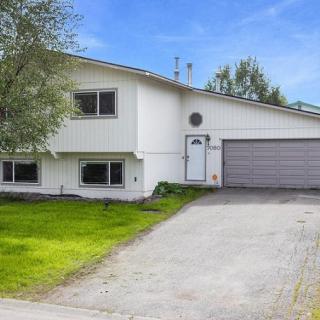

 Social Security Benefits and Assisted Living: Navigating Options Across the U.S.
 An Extensive Exploration of the VA Aid and Attendance Benefit
 Senior Transition Services: Understanding Their Role, Cost, and Importance