7349 Branche Drive, Anchorage, AK 99518
For more information about senior living options: (844) 490-3973
Campbell Creek House in Alaska appears in these accounts as a place that many families came to rely on for compassionate care and a sense of community, while a few readers also note moments of frustration or concern, especially around communication. Taken together, the impressions form a portrait of a facility that has earned the trust and gratitude of many loved ones, particularly for the way staff members approached aging and memory care with kindness, patience, and genuine warmth. The overarching message is one of heartfelt appreciation from families who watched their relatives receive dignified treatment, alongside a few cautions about gaps that can still arise in the day-to-day flow of information.
A recurring thread centers on the exceptional care that a mother received during her time at Campbell Creek House. In one deeply personal account, the writer describes how every moment of the mother's transition into the community was marked by respect, kindness, and a warmth that extended beyond mere routines of care. The staff were portrayed as more than caregivers; they were people who invested themselves in the well-being of their residents, which made a difficult period - shaped by illness and eventual loss - easier for the family to endure. The caregiver team's empathy is highlighted repeatedly, with specific praise for how they managed comfort, safety, and the emotional needs of both residents and their families.
Within those stories, one name stands out as a beacon of support: Sandy. Multiple writers describe Sandy as the linchpin of a smooth and compassionate experience, particularly during transitions or stressful moments. Sandy's guidance and availability - whether answering questions, coordinating care across medical providers, or simply offering a listening ear on long phone conversations - are portrayed as a meaningful difference-maker. In some threads, Sandy's involvement goes beyond routine care coordination to touch on the practical and emotional logistics that families face when navigating Alzheimer's care, care planning, or relocation within the assisted-living setting. The dedication attributed to Sandy is balanced with other accounts that emphasize a broader culture of attentiveness among staff, yet Sandy's impact is singled out as especially noteworthy.
For families living outside the United States or far from a loved one's daily life, Campbell Creek House has often represented a godsend. One reviewer mentions enduring the challenge of managing a sister's life in Alaska from afar, and finding Campbell Creek felt like a priceless stroke of providence. In these narratives, Sandy and her team are credited with delivering the attention, respect, and care that a family would hope to see, even from a distance. The appreciation extends beyond the resident to the family members themselves, who feel supported in the highly personal and emotional task of guiding a loved one through memory loss and transitions in care.
The level of care described goes beyond routine daily tasks to encompass the more nuanced demands of memory care and coordination with medical providers. Reviewers describe staff who coordinate medications, ensure diets meet specific health needs (such as renal considerations), arrange transportation for medical appointments like dialysis, and maintain steady, transparent contact with families during urgent situations. Equally important, caregivers are praised for keeping residents socially engaged, helping them form friendships, and employing redirection strategies that respect their personalities and cognitive challenges without overmedicating. This combination of medical diligence, emotional support, and opportunities for social connection is a central motif in the most favorable testimonials.
Some reviewers contrast Campbell Creek House with other local options, underscoring a perception that staffing ratios matter deeply in assisted living environments. The concerns raised about other facilities - where only a couple of staff members may be on hand to care for five or six residents - are acknowledged with a sense of relief that Campbell Creek House often felt more like a home than a hospital ward. A common thread among these comparisons is the sense that more consistent, compassionate interaction with residents leads to a more dignified and meaningful quality of life. Even when families praise Campbell Creek House, they often acknowledge that no place is perfect and that staff can have off days like any profession. Yet the overall message remains one of trust and gratitude for the care received there.
Environmental features and accessibility also surface in the narratives. Some families highlight the facility's thoughtful touches - such as a small yard area designed for visits, with covered, partitioned picnic tables that can be used year-round, and even heaters installed to extend outdoor time during colder months. These details may seem minor, but they contribute to a sense of normalcy and belonging for residents who benefit from familiar, home-like surroundings. The capacity to host visits in a comfortable setting, complemented by modern means of staying connected (like FaceTime calls) and regular communication with primary care providers, helps reinforce the feeling that Campbell Creek House is attentive to both medical and emotional needs.
Amid the positive testimonials, there are mentions of gaps in communication from some staff members, including explicit references to times when messages were not returned. These notes provide a more balanced view of Campbell Creek House, reminding readers that even in the best of environments, communication can falter and needs to be addressed. Yet even these cautions sit within a broader context of praise for the facility's most consistent strengths: compassionate caregiving, a dedicated and supportive staff culture, and an emphasis on dignity, personalization, and family involvement. In several accounts, families express gratitude for the opportunity to be involved, to witness their loved ones' care, and to rely on the team during emotionally trying periods.
Across multiple stories, the personal impact of Campbell Creek House becomes clear. Families recount moments of tenderness, such as a staff member holding a loved one's hand at the end of life, or the gesture of arranging a comfortable, dignified environment that honored a person's preferences and history. The experiences also include practical successes, such as a father's year-long stay followed by relocation, yet ongoing positive recollections of the care he received and the stories he shared about his time there. In every direction, the consistent message is gratitude, trust, and a recommendation of Campbell Creek House to others seeking a place where loved ones can be treated with respect, kindness, and genuine dignity.
Taken together, these narratives present Campbell Creek House as a place that many families came to rely on for comprehensive, compassionate care during Alzheimer's and other memory-related challenges. The standout commitment of staff like Sandy, the emphasis on respectful and person-centered care, the proactive coordination of medical and daily needs, and the meaningful opportunities for residents to connect with family and each other all contribute to a strong sense of trust and appreciation. While no facility is perfect and communication can occasionally fall short, the prevailing sentiment is that Campbell Creek House offers a caring, home-like environment where loved ones are treated as family, and where families feel supported in one of life's most challenging journeys.
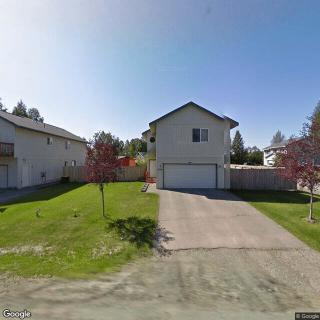
Nana's House Assisted Living Home II in Anchorage, AK, is a warm and inviting community designed to provide residents with comfort, care, and convenience. This fully furnished facility features a cozy dining room where residents can enjoy nutritious meals prepared according to individual dietary needs, including diabetes-friendly options and special dietary restrictions.
Residents will find solace in the beautiful outdoor space and garden, perfect for relaxation and socializing with fellow residents. The home offers essential housekeeping services and move-in coordination to ensure a smooth transition for new occupants. With reliable Wi-Fi/high-speed internet access and telephone services available, seniors can stay connected with family and friends.
Nana's House prioritizes the health and well-being of its residents through comprehensive care services. Experienced staff are on hand to assist with activities of daily living such as bathing, dressing, transfers, medication management, and coordination with healthcare providers. Additionally, transportation arrangements for medical appointments ensure that residents can maintain their health without added stress.
A vibrant schedule of daily activities keeps residents engaged and active within the community. Conveniently located near five cafes, 25 restaurants, parks, pharmacies, physicians' offices, places of worship, and hospitals enables residents to enjoy a variety of local amenities just moments away.
At Nana's House Assisted Living Home II, seniors experience not only personalized care but also an enriching lifestyle in a supportive environment designed to foster independence while providing the assistance they need.
Nana's House Assisted Living Home II is located at 7349 Branche Drive, Anchorage, AK 99518 in Anchorage Municipality, Alaska

The deductibility of assisted living expenses on taxes hinges on factors like the individual's medical condition and service nature, typically requiring the resident to be "chronically ill" per IRS definitions. Taxpayers may deduct eligible medical expenses related to personal care services but generally not rent unless primarily for medical care, and they should maintain thorough documentation to support claims while considering itemizing versus standard deductions.

Assisted Living Support for Veterans: A Complete and Detailed Overview
The guide highlights the importance of assisted living facilities for aging veterans needing daily support, discusses unique challenges they face, and outlines available financial assistance from the VA, including the Aid and Attendance program. It emphasizes understanding eligibility criteria and navigating the VA system to access necessary benefits effectively.

Exploring the Contrasts Between Assisted Living and Skilled Nursing
The article compares assisted living and skilled nursing facilities, detailing their differing levels of assistance, medical support, cost structures, and day-to-day experiences. It emphasizes that assisted living is for those needing help with daily activities while maintaining independence, whereas skilled nursing facilities provide intensive medical care with 24-hour staff supervision.