

520 Lasalle St, Rainbow City, AL 35906
To contact a resident: (256) 442-0102
For more information about senior living options: (866) 208-4318
Meadows of Rainbow City Costs & Pricing
At Meadows of Rainbow City, the monthly costs for accommodations reflect a balance of quality care and regional pricing. For a semi-private room, residents can expect to pay $4,200, which is significantly higher than the average rate of $3,245 in St. Clair County and also surpasses Alabama's statewide average of $3,495. Those seeking more privacy can opt for a private room at a monthly fee of $6,000; this again exceeds local and state averages, with St. Clair County averaging $4,245 and Alabama at $4,158. While these rates may be higher than other options in the area, they often correspond to enhanced services and amenities that contribute to the overall well-being of residents at Meadows of Rainbow City.
| Floor plans | Meadows of Rainbow City | St. Clair County | Alabama |
|---|---|---|---|
| Semi-Private | $4,200 | $3,245 | $3,495 |
| Private | $6,000 | $4,245 | $4,158 |
Overall Review of Meadows of Rainbow City
Pros
 The staff are very caring.
- The owner is the best.
- They all go above and beyond.
- The Meadows of Rainbow City is a great assisted living facility.
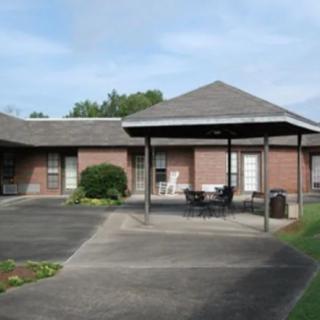
- The facility is clean, small, and feels secure.
- The rooms are spacious and the dining is homey with good food.
Cons
 They wish The Meadows of Rainbow City offered more activities.
Review
Meadows of Rainbow City is best suited for families seeking an intimate, affordable assisted-living option where staff know residents by name and daily care feels personal rather than procedural. The community excels for seniors who want a secure, home-like setting in which medication management and routine assistance are packaged into a straightforward rent. Its small footprint translates into cleaner lines of communication, quicker response times, and the comfort of a tight-knit team that consistently goes the extra mile. The consistently high impressions of staff and the hands-on leadership from the owner create the sense that residents are more than tenants, they are known individuals whose routines are respected and protected.
On the other hand, Meadows may not be the first choice for families chasing a bustling activity calendar or a campus with extensive on-site amenities. Several reviews mention a friendly environment but a wish for more structured activities and programs to fill days beyond meals and basic recreation. For families seeking robust social opportunities, campus-wide events, or specialized memory-care programming, there are other communities that offer a wider array of scheduled outings and enrichment options. The size and scope here make the atmosphere warm but naturally more limited, which is a deliberate trade-off for those who prioritize personal attention over volume.
From the resident-care vantage point, the strongest pros are clear and meaningful: caring, thorough staff; a standout owner; clean facilities; reasonable, straightforward pricing; and genuinely good dining. The rent model often covers medications and daily assistance, which simplifies budgeting and reduces the scramble for pharmacy coordination. Rooms are described as spacious and practical, while the dining area feels homey and comfortable, an essential factor for seniors who value dignity and the comfort of familiar routines. In a setting this size, every staff interaction tends to carry weight, and that accountability translates into dependable, day-to-day support.
Moreover, Meadows leverages its intimate scale to build trust. The home-on-site feel, where staff learn preferences, remembers names, and stays consistently present, almost always offsets the potential downside of fewer planned activities. The proximity to family is a real advantage; several reviewers note being just minutes away, which makes drop-offs, visits, and impromptu check-ins simple and reassuring. The combination of a secure, not-too-large environment with attentive, accessible leadership creates a sense of continuity that matters when choosing care for a loved one who values consistency and personal recognition.
Still, the single most frequent caveat is the relative thinness of programming compared with larger communities. Activities exist, but there is room to expand, a reality that matters if a resident thrives on variety or requires more structured engagement. Families should verify what a typical week looks like, how activities are staffed, and whether outside outings are offered. This is not a flaw so much as a dimension to negotiate: Meadows succeeds on personal service and predictable routines, while families with more demanding social calendars or more complex medical needs may want to explore other options that scale activity resources or memory-specific care.
Overall, Meadows of Rainbow City represents a solid, well-judged fit for seniors who value a warm, affordable, and closely supervised living arrangement. It delivers on the core needs of medication management, daily assistance, cleanliness, and genuine kindness from a tight-knit team, with the owner setting a high tone for accountability. For anyone prioritizing cost control, family accessibility, and a home-like atmosphere, this option is compelling. If, instead, the priority is expansive activity programming or specialized dementia-focused care, it is prudent to search among larger communities or those with dedicated memory-care wings and richer calendars. A visit should center on meal experiences, staff interactions, and a transparent look at the weekly activity slate, to confirm that the day-to-day life aligns with the loved one’s preferences and energy level.
 16 resident community capacity
 Assisted Living
 Board and Care Home
 Activities on-site
 Cable or satellite TV
 Devotional services off-site
 Dining room
 Fully furnished
 Garden
 Housekeeping services
 Indoor common areas
 Move-in coordination
 Outdoor space
 Telephone
 Wi-Fi/high-speed internet available
 24-hour supervision
 Ambulatory care
 Assistance with bathing
 Assistance with dressing
 Assistance with transfers
 Diabetes diet
 Diabetic care
 Meal preparation and service
 Medication management
 Special dietary restrictions
 Transportation arrangement (medical)
 Transportation to doctors appointments







 Vibrant Senior Living: A Comprehensive Guide for Active Older Adults
 When to Transition from Assisted Living to Memory Care: Key Indicators, Steps, and Finding the Right Community
 Assisted Living and Memory Care: Understanding Their Core Differences