For more information about senior living options: (866) 208-4318
4 from 33 reviews
5 stars
18
4 stars
8
3 stars
1
2 stars
2
1 stars
4
The Crossings at Eastchase Costs & Pricing
The Crossings at Eastchase offers a range of living options that are competitively priced within the broader context of Montgomery County and the state of Alabama. For a one-bedroom unit, residents can expect to pay $3,345 per month, which is slightly higher than Montgomery County's average of $2,987 but lower than the state average of $3,417. The studio apartments at The Crossings are priced at $4,345, noticeably exceeding both county and state averages - $3,265 and $3,279 respectively. In the case of two-bedroom units, The Crossings charges $4,395 per month; while this figure is significantly higher than Montgomery County's average rent of $2,518, it remains above the state's average cost of $3,788. Overall, while The Crossings at Eastchase positions itself on the premium end for certain room types in comparison to local benchmarks, it reflects a commitment to providing quality accommodations that may justify these costs for prospective residents seeking an enriching community experience.
Floor plans
The Crossings at Eastchase
Montgomery County
Alabama
1 Bedroom
$3,345
$2,987
$3,417
Studio
$4,345
$3,265
$3,279
2 Bedrooms
$4,395
$2,518
$3,788
Memory care communities with a similar price nearby
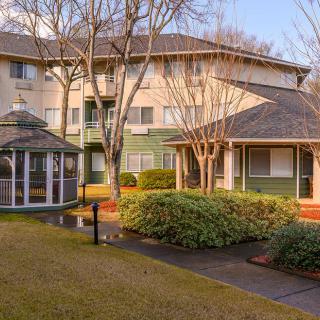
Residents frequently describe a very clean, newer-looking facility.
Multiple residents and visitors comment that the building feels new and well kept, often mentioning cleanliness and modern condition. Some also note a large footprint with multiple floors, which can make the layout feel more complex to navigate. Even among mixed comments, the facility’s appearance and upkeep come up as a consistent point.
common18 reviews mention this
Attentive, caring staff
Staff kindness and responsiveness are a consistent theme in reviews.
Many reviews describe staff who know residents and families by name and respond quickly when help is needed. Several also mention that caregivers and dining room staff keep an eye on residents’ eating and offer options when preferences change. A few reviews raise concerns about management communication and professionalism, but even those sometimes acknowledge kind, caring moments from staff.
caveat11 reviews mention this
Dining quality feels mixed
Dining is praised by some residents, but others report recent or ongoing issues.
Some residents and families say the food is good and that the dining setup feels more like a restaurant than a cafeteria. Others describe problems such as meals being inconsistent with expectations, ordering issues, and changes they felt worsened over time. Even within positive experiences, there are suggestions about getting more of certain dietary options and staffing levels in the dining room.
common10 reviews mention this
Activities keep residents engaged
Residents often mention active schedules and community programs.
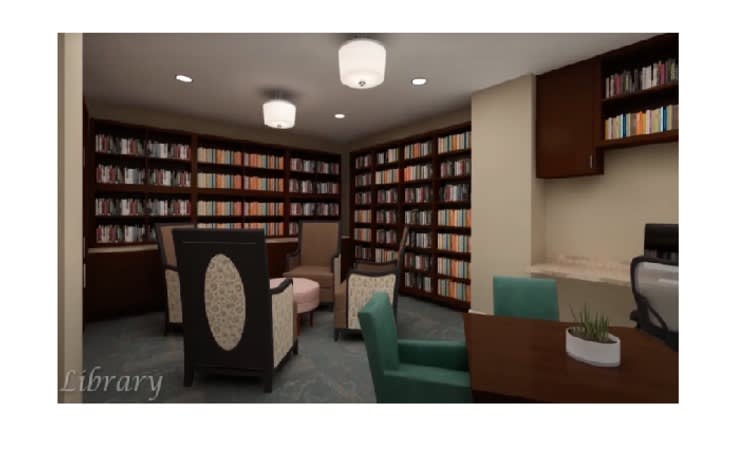
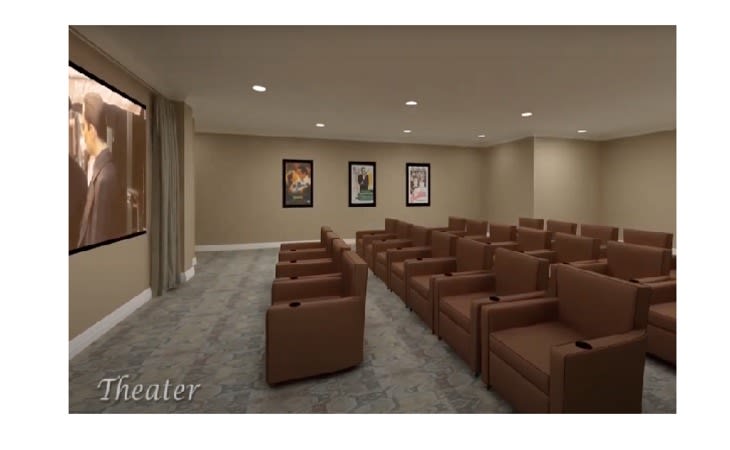
Reviews commonly point to social and enrichment options, including group activities and outings, along with spaces like a library and movie theater. Several describe frequent or daily activities, and others highlight exercise and scheduled outings—while one review notes that not every day had programming and weekends could be light. Overall, the reviews suggest engagement is a focus, even if the consistency varies.
caveat4 reviews mention this
Management communication and turnover
Some reviews raise concerns about management responsiveness and staffing turnover.
A few reviews describe difficulty getting documents completed, feeling dismissed, or being overlooked during communications. Others mention turnover in management and caregivers and frustration when new staff have to relearn responsibilities. Even when residents describe plenty of help from caregivers, these reviews point to communication and leadership consistency as an area of concern.
caveat4 reviews mention this
Cost increases are a concern
Several reviewers worry about pricing going up over time.
Some families describe overall cost as a deciding factor, noting that pricing can scale with how much help a resident needs. Others mention being more expensive than comparable communities or wanting clearer information on how rates rise year to year. At the same time, multiple reviews still describe day-to-day satisfaction, so the price concerns appear mainly tied to affordability and predictability rather than service quality alone.
How we summarize
Counts show how many written reviews mention each theme; a review can touch several themes, and only frequently mentioned themes are displayed.
Features
Housing
1-bedroom apartments
2-bedroom apartments
Studio apartments
Types of Care
Assisted Living
Independent Living
Memory Care
Pets
Cats allowed
Dogs allowed
Amenities
Activities off-site
Activities on-site
Air-conditioning
Beautician on-site
Cable or satellite TV
Devotional services off-site
Devotional services on-site
Full kitchen
Ground floor units
Handicap accessible
Indoor common areas
Kitchenette
Laundry
Outdoor common areas
Respite or short term stays offered
Wheelchair accessible showers
Wi-Fi/high-speed internet available
Transportation
Montgomery Regional Apt (16 miles away)
Care Services
Ambulatory care
Diabetic care
Incontinence care
Medication management
Dining
Gluten-free
Guest meals
International cuisine
Kosher
Low / no sodium
Meals provided
No Sugar
Organic
Professional chef
Restaurant style dining
Room service
Special dining programs
Vegan
Vegetarian
Activities
Art classes
Bible study group
Catholic services
Cooking classes
Devotional activities offsite
Devotional activities on-site
Jewish services
Mormon/LDS services
Other religious services
Protestant services
Visiting Rabbi
Visiting chaplain or priest
Videos
Nearby Places of Interest
This part of Montgomery, Alabama, offers a convenient location with a variety of amenities nearby for seniors considering living in the area. There are several restaurants within a short distance, providing options for dining out or takeout. Additionally, there are pharmacies, physicians' offices, and hospitals in close proximity, ensuring easy access to healthcare services. For leisure activities, cafes, theaters, and parks are also nearby, offering opportunities for socializing and recreation. The presence of places of worship further adds to the community aspect of the area. Overall, this part of Montgomery provides a mix of convenience and amenities that may appeal to seniors looking for a comfortable and accessible living environment.
Restaurants
Charles Anthony's Restaurant At The Pub (1.3 miles)
Burger King (1.3 miles)
McDonald's (1.5 miles)
Walk-On's Bistreaux & Bar (2.1 miles)
Kobe Japanese Steakhouse (2.1 miles)
Chili's Grill & Bar (2.4 miles)
Bonefish Grill (2.7 miles)
Physicians
Physicians Professional Management (2.2 miles)
Montgomery Pediatric (2.2 miles)
Mpa (2.2 miles)
Southern Specialty Physicians (2.2 miles)
Lilly Alexander MD (2.2 miles)
Center for Pain of Montgomery (2.3 miles)
Southern Orthopeadic Surgeons (2.3 miles)
Pharmacies
CVS Pharmacy (2.4 miles)
Walgreens (2.8 miles)
Cloverland Drugs (3 miles)
CVS Pharmacy (3.6 miles)
Adams Drugs (3.7 miles)
Adams Drug-Vaughn Road (3.8 miles)
Walgreens (4.2 miles)
Hospitals
Baptist Medical Center East (2.5 miles)
Baptist Health Breast Health Center (2.6 miles)
Baptist Hospital (2.6 miles)
Baptist Health (2.6 miles)
Central Alabama Veterans Health Care System West Campus (6.5 miles)
The Crossings at Eastchase offers a range of living options that are competitively priced within the broader context of Montgomery County and the state of Alabama. For a one-bedroom unit, residents can expect to pay $3,345 per month, which is slightly higher than Montgomery County's average of $2,987 but lower than the state average of $3,417. The studio apartments at The Crossings are priced at $4,345, noticeably exceeding both county and state averages - $3,265 and $3,279 respectively. In the case of two-bedroom units, The Crossings charges $4,395 per month; while this figure is significantly higher than Montgomery County's average rent of $2,518, it remains above the state's average cost of $3,788. Overall, while The Crossings at Eastchase positions itself on the premium end for certain room types in comparison to local benchmarks, it reflects a commitment to providing quality accommodations that may justify these costs for prospective residents seeking an enriching community experience.
Medication management is crucial for residents with dementia or Alzheimer's, as it ensures that they receive the correct dosages at the appropriate times, minimizing confusion and potential adverse reactions. This structured approach not only promotes overall health but also helps caregivers monitor changes in behavior or condition, adjusting care as necessary. Incontinence care is equally important, as it addresses a common challenge faced by individuals with cognitive impairments who may struggle with bodily awareness. Providing compassionate and respectful incontinence support helps maintain dignity and comfort, reducing anxiety and fostering a sense of security among residents while allowing them to focus on their daily activities without embarrassment or fear. Together, these features create an environment that supports the unique needs of memory care residents, enhancing their quality of life.
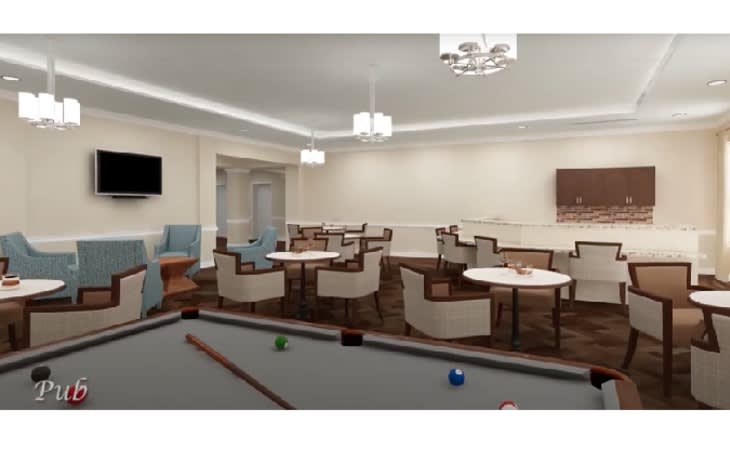
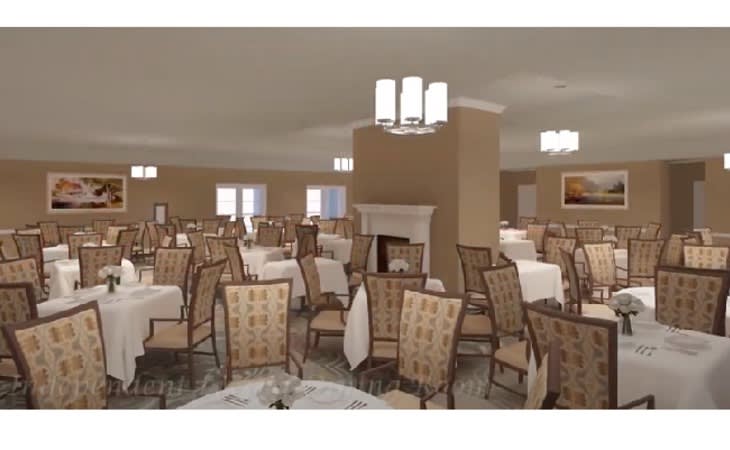
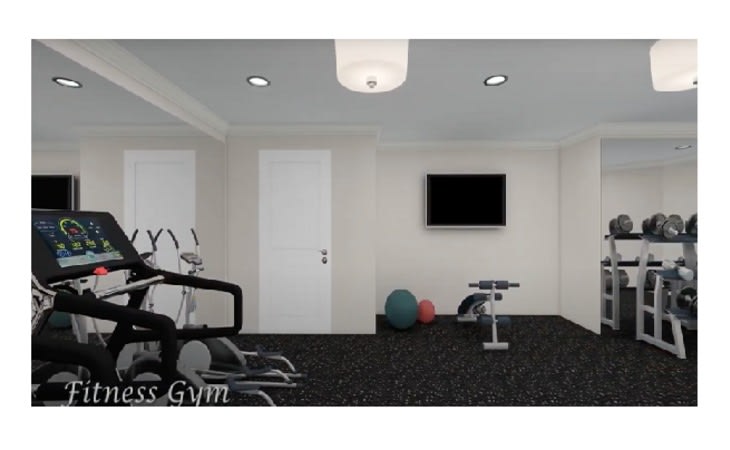
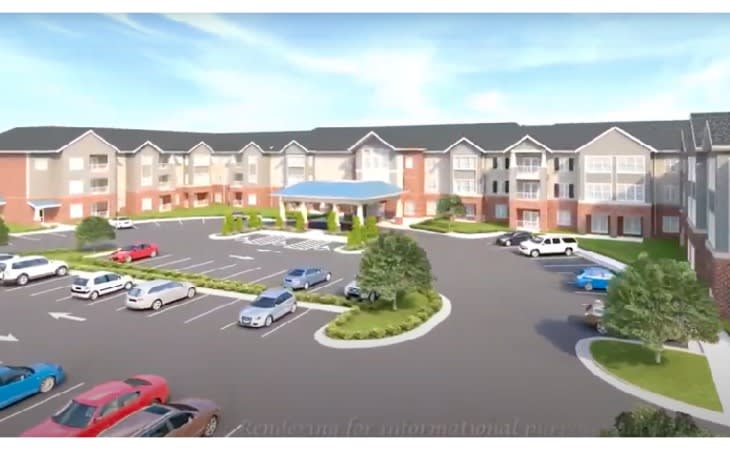
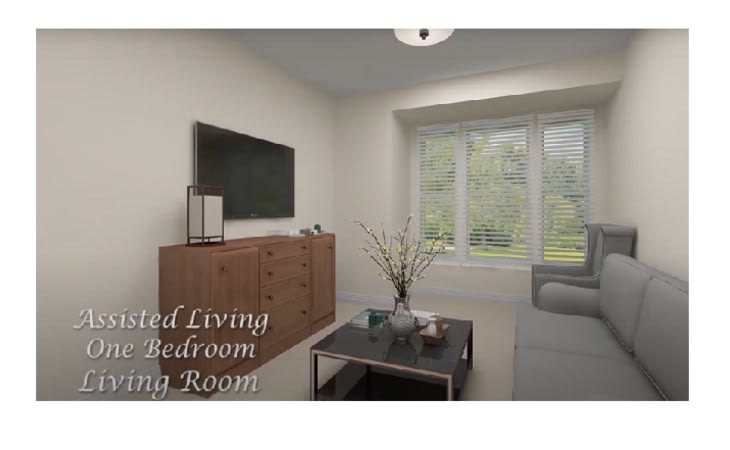
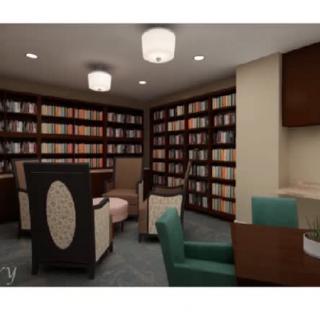
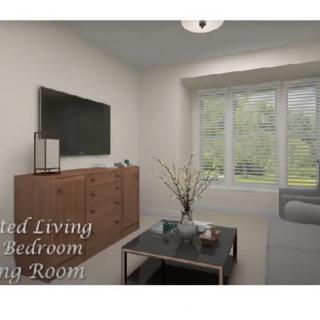
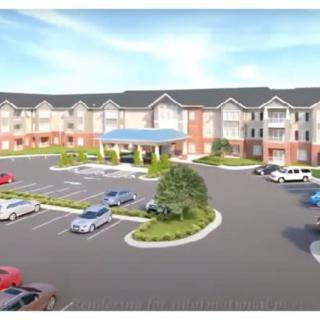
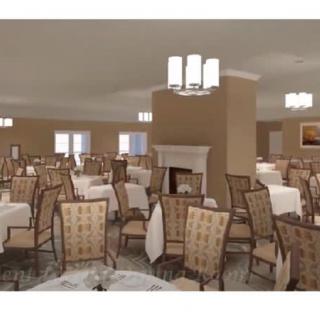
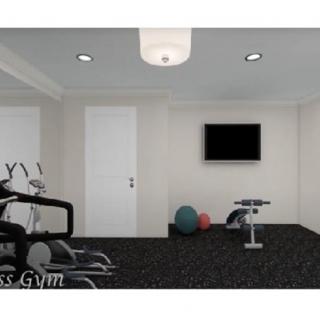
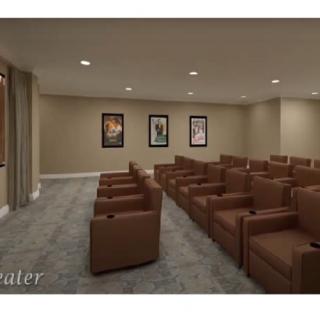
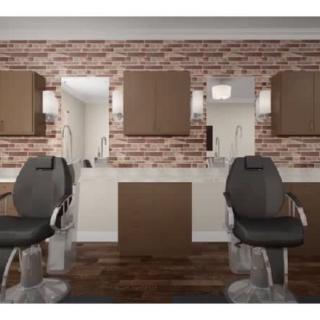
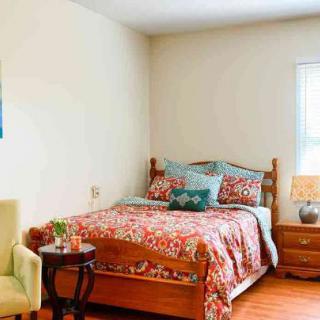
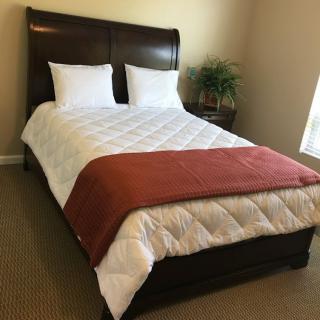
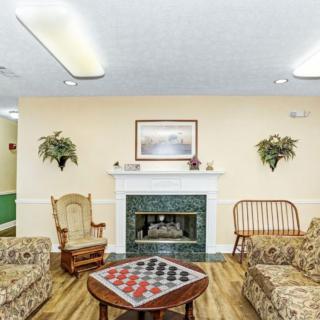
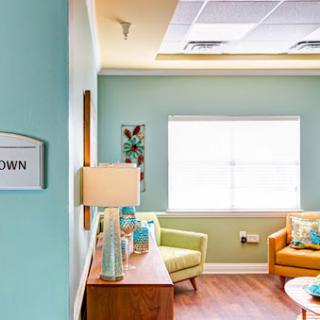
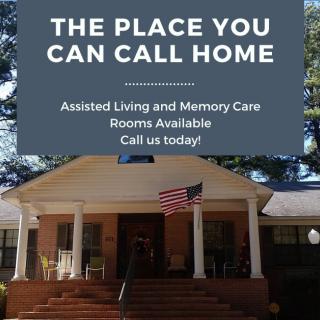
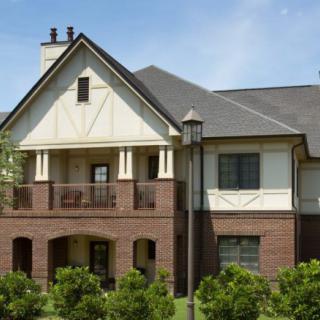
The Crossings at Eastchase on seniors.fyi includes 9 photos including images showing interior, exercise equipment, television, dining, theater, bookshelves, recreation room, billiards, and more.
Nearby Communities
John Knox at Arrowhead
Montgomery, AL
4.3 from 4 reviews
$2,500 to $2,800 / month
Outstanding staff, warm atmosphere, clean common areas, and good meals.
The Belmont Assisted Living
Montgomery, AL
4.5 from 28 reviews
$2,800 to $5,400 / month
Caring, professional staff in a safe, independent living environment.
First Light Home Care
Montgomery, AL
5 from 2 reviews
Consistent, friendly, and knowledgeable caregivers with reliable service.
Wesley Gardens
Montgomery, AL
4.6 from 18 reviews
Caring, professional staff with engaging activities and clean, well-maintained surroundings.
Wesley Gardens Retirement Community Specialty Care
Montgomery, AL
4.5 from 8 reviews
Small, intimate community with 24/7 supervision and specialized memory care programming.
Haven Memory Care on Halcyon
Montgomery, AL
4.4 from 38 reviews
$4,500 to $5,500 / month
Compassionate staff in a homelike setting with engaging activities.
Country Cottage Montgomery
Montgomery, AL
4.2 from 69 reviews
$2,980 / month
Friendly staff with good communication in a clean, affordable care setting.
Holiday Eastdale Estates
Montgomery, AL
4.2 from 118 reviews
$1,999 to $3,369 / month
Friendly staff, engaging activities, and a welcoming atmosphere.
Assisted living provides moderate support for seniors seeking independence, while memory care offers specialized support for individuals with dementia or cognitive impairments through structured routines and trained staff. Key differences include care approaches, environment security measures, staff training levels, activity types, and cost considerations.
Choosing between assisted living and nursing homes involves evaluating emotional and financial factors, with assisted living offering independence and support for daily activities at a lower cost, while nursing homes provide intensive medical care for individuals with significant health needs. The decision is influenced by personal preferences, health status, cognitive function, and varying Medicaid coverage across states.
The article presents eight strategies for preserving cognitive health and memory in older adults, emphasizing a nutrient-rich diet, regular exercise, intellectually stimulating activities, adequate sleep, social connections, stress management techniques, limiting harmful substances, and regular medical checkups to mitigate age-related memory decline.
Landscaping, Building, Architecture, Exterior, and Parking
Lighting, Bookshelves, Library, and Reading Room
Television
Exercise Equipment, Treadmill, and Indoor Lighting
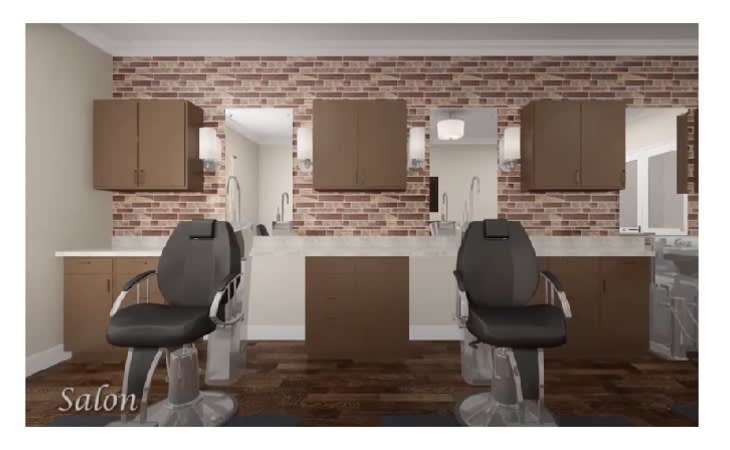
Salon, Mirrors, and Brick Wall
Seating, Theater, and Projector Screen
Billiards, Lighting Fixtures, and Recreation Room
Get PricingAsk A QuestionSchedule A TourContact Senior Advisor
By clicking submit, you agree to our Partner's Terms of Use. You
also consent to receive calls and texts, which may be autodialed, from our Partner. Your consent is not a condition to
using our Partner's service. Please visit our Partner's Privacy Policy for information about their privacy practices.


 1-bedroom apartments
 Assisted Living
 Independent Living
 Memory Care
 Cats allowed
 Dogs allowed
 Activities off-site
 Air-conditioning
 Beautician on-site
 Cable or satellite TV
 Devotional services off-site
 Full kitchen
 Ground floor units
 Handicap accessible
 Indoor common areas
 Laundry
 Outdoor common areas
 Respite or short term stays offered
 Wheelchair accessible showers
 Wi-Fi/high-speed internet available
 Montgomery Regional Apt (16 miles away)
 Ambulatory care
 Diabetic care
 Incontinence care
 Medication management
 Gluten-free
 Art classes
 Bible study group
 Cooking classes
 Jewish services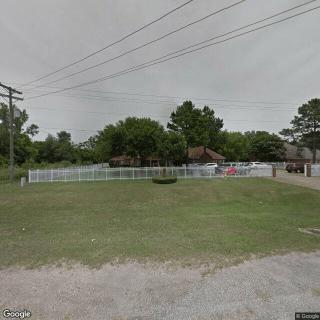
 Outstanding staff, warm atmosphere, clean common areas, and good meals.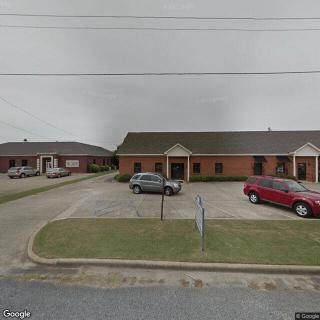

 Assisted Living and Memory Care: Understanding Their Core Differences
 Choosing the Right Senior Care: A Detailed Exploration of Assisted Living and Nursing Homes
 Safeguarding Your Memory Through the Golden Years: Eight Ways to Preserve Cognitive Health