Healthsouth Rehabilitation Hospital of Montgo in Montgomery, AL
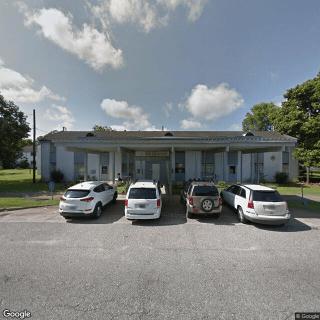
Healthsouth Rehabilitation Hospital of Montgo is a senior community in Montgomery, AL.
Information last verified:
4465 Narrow Lane Rd, Montgomery, AL 36116
For more information about senior living options: (866) 208-4318
4.4 from 120 reviews
5 stars
89
4 stars
11
3 stars
6
2 stars
2
1 stars
12
Overall Review of Healthsouth Rehabilitation Hospital of Montgo
common38 reviews mention this
Staff care is a consistent theme
Residents repeatedly describe staff who are caring, supportive, and responsive.
A large share of reviews highlight staff as kind and encouraging, including nurses, therapists, and techs. Multiple residents say they felt listened to and helped through recovery steps, and several mention the facility being clean and well-run day to day. Even when reviews raise concerns, many still single out specific staff members for being helpful and professional.
differentiator20 reviews mention this
Rehabilitation therapy is praised
Therapy teams are frequently described as knowledgeable and effective for recovery.
Many reviews focus on physical, occupational, and other therapy as a key part of the stay, with residents describing therapists as attentive, professional, and motivating. Some residents say therapy sessions were challenging in a good way and helped them regain abilities or prepare for life after discharge. A few reviews question consistency or coaching in therapy, but the overall pattern is that residents connect meaningful progress to the therapy staff.
caveat12 reviews mention this
Food quality is mixed
Food quality comes up often, with several complaints about temperature and taste.
Some residents describe the food as good and mention dietary staff working with preferences or providing alternatives. At the same time, multiple reviews complain that meals arrive cold, are incorrect, or are hard to eat. A few reviews also call dining inconsistent, describing it as hit or miss rather than consistently enjoyable.
common7 reviews mention this
Cleanliness and rooms are noted
Residents frequently mention a clean facility and tidy rooms.
Several reviews mention the facility being clean, including rooms and housekeeping keeping areas in good condition. A number of residents connect that cleanliness with feeling comfortable during their stay. A small number of reviews also report problems like pests, but those negative experiences are exceptions compared with the repeated cleanliness comments.
caveat10 reviews mention this
Communication and discharge planning draw criticism
Some residents report problems with call response and discharge support.
Several reviews describe delays or failures in getting help, including issues with nurse call responsiveness and administrative follow-through. Others raise concerns about discharge planning, including not receiving home-health in place or feeling that the appeal process did not reflect medical input. A few reviews also describe safety or protocol concerns that contributed to a negative experience beyond therapy and staffing.
How we summarize
Counts show how many written reviews mention each theme; a review can touch several themes, and only frequently mentioned themes are displayed.
Features
Transportation
Montgomery Regional Apt (7 miles away)
Nearby Places of Interest
Pharmacies
CVS Pharmacy (0.6 miles)
Walgreens (1 miles)
Walgreens (2.5 miles)
Winn-Dixie (2.7 miles)
Nobles III, Johnny R - Johnny R Nobles III (2.8 miles)
CVS Pharmacy (3.1 miles)
Institutional Pharmacy Solutions (3.1 miles)
Physicians
Baptist Neurological Clinic (0.6 miles)
Parker Pavilion (0.6 miles)
Neurosurgery & Spine Associates of Central Alabama (0.6 miles)
Southeastern Cardiology Consultants (0.6 miles)
Montgomery Surgical Specialists (0.6 miles)
Central Alabama Ear Nose & Throat Associates (0.7 miles)
Institute for Advanced Wound Care (0.7 miles)
Hospitals
Baptist Medical Center South (0.6 miles)
Baptist South Pediatrics (0.6 miles)
Central Alabama Veterans Health Care System West Campus (4.6 miles)
Caregiver burnout is a common issue resulting from the intense physical, emotional, and mental demands of caregiving, leading to symptoms like fatigue and social withdrawal. To prevent burnout, caregivers should recognize early warning signs and implement self-care strategies, seek support, and prioritize their own well-being alongside that of those they care for.
Caregiver exhaustion, or burnout, stems from the relentless demands of caregiving, leading to emotional and physical depletion characterized by stress, frustration, and neglect of personal needs. Addressing this burden is essential to prevent long-term consequences, with early recognition and support being crucial for caregivers to maintain balance and implement self-care.
Hospice care at home provides specialized end-of-life support that focuses on comfort and dignity for individuals with life-limiting illnesses, offering a range of services including medical management, emotional and spiritual support, and logistical assistance tailored to the family's needs. It involves collaboration to create individualized care plans and extends to bereavement support after a loved one's passing.
Get PricingAsk A QuestionSchedule A TourContact Senior Advisor
By clicking submit, you agree to our Partner's Terms of Use. You
also consent to receive calls and texts, which may be autodialed, from our Partner. Your consent is not a condition to
using our Partner's service. Please visit our Partner's Privacy Policy for information about their privacy practices.

 Montgomery Regional Apt (7 miles away)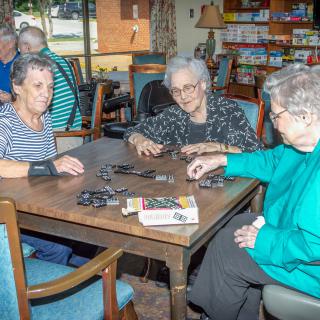
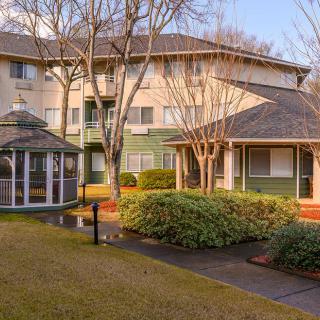
 Compassionate staff in a warm, well-maintained, engaging community.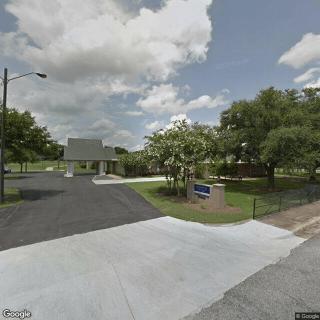



 Caring for Those Who Care: Recognizing, Understanding, and Overcoming Caregiver Burnout
 Caregiver Exhaustion: Recognizing the Signs and Restoring Your Well-Being
 Understanding Hospice Care at Home: Comprehensive Services, Key Benefits, and Eligibility