
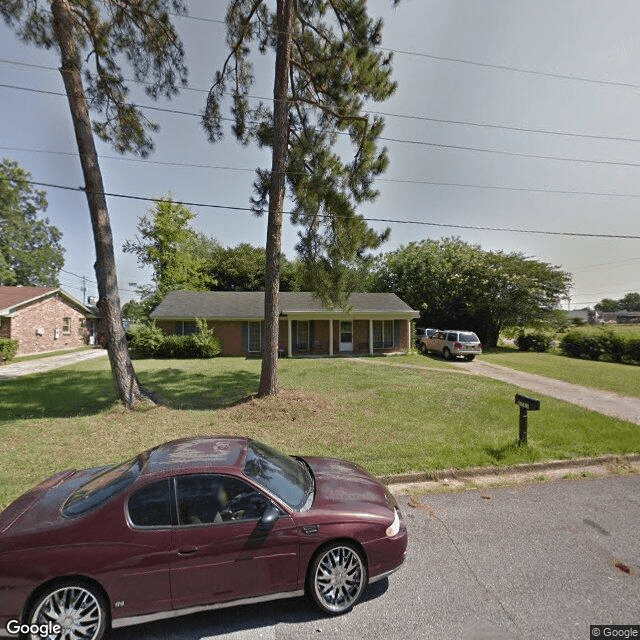
2781 North Wallace Drive, Montgomery, AL 36116
To contact a resident: (334) 354-5059
For more information about senior living options: (866) 208-4318
Helping Hands Assisted Living Costs & Pricing
Helping Hands Assisted Living offers competitive pricing for its services compared to both Montgomery County and the state of Alabama. For a studio room, residents pay $1,800 per month, significantly less than the county's average of $3,265 and the state's average of $3,279. Similarly, for a private room, the monthly fee is set at $2,000, which again represents a considerable savings compared to Montgomery County's average of $3,919 and Alabama's average cost of $4,158. These pricing structures highlight Helping Hands Assisted Living as an affordable choice for individuals seeking quality assisted living accommodations in a supportive environment.
| Floor plans | Helping Hands Assisted Living | Montgomery County | Alabama |
|---|---|---|---|
| Studio | $1,800 | $3,265 | $3,279 |
| Private | $2,000 | $3,919 | $4,158 |
Skilled Nursing Facilities with a similar price nearby
-
from +$100 / mo

Tallassee Assisted Living
$1,900 / month24.8 miles away
Overall Review of Helping Hands Assisted Living
Pros
 The agency is highly responsive to clients' needs and matches them with caring, competent caregivers.
- Clients are very happy with the care they receive from Helping Hands At Home LLC.
- The staff is highly qualified and experienced.
- It offers a wide range of services to meet clients' needs.
- It is committed to providing quality care in a safe, homelike environment.
- Tasha and her team are capable, caring, and dependable caregivers.
- It provides round-the-clock, compassionate service.
Cons
 One reviewer noted that the room was one large room, implying limited space and privacy.
- One reviewer pointed out that pets were not allowed, which was a drawback for a family with a dog.
- One reviewer described the bathroom as a little small.
- One reviewer found the price to be a bit pricey.
- One reviewer said the kitchenette was only OK, not especially impressive.
Review
Helping Hands Assisted Living in Montgomery is strongest for families seeking a genuinely family-oriented, hands-on assisted living experience where care feels intensely personal and staff responsiveness is a clear asset. This community excels when residents value one-on-one attention, an experienced caregiving team, and a broad service menu that includes dementia safety, transportation, respite care, and support through surgery recovery and palliative comfort. For families who want close proximity to home and easy family involvement, the combination of a homelike environment and a responsive, caring staff makes a compelling case. In short, it’s best for seniors and adults with disabilities who prioritize intimate, attentive care over antiseptic polish or opt-in luxury.
Those weighing alternatives should consider options if pet companionship matters, if private living space is non-negotiable, or if sticking to a tighter budget is essential. Several reviews highlight a shared-room style and a small bathroom, which can feel confining for residents who expect more private living accommodations. Pet-friendly living is another potential deal-breaker for some; at least one review notes restrictions on pets, which could be a significant consideration for animal-loving residents or families who rely on a furry presence for comfort. Finally, the price point is described as “pricey” by a reviewer, so families with strict budgeting should compare value carefully against the level of personalized care promised.
The main advantages, highly qualified, dependable staff; a wide array of services; and a clearly safe, homelike setting, tend to offset the less favorable room configuration and cost concerns. Families report responsive caregivers who match clients to capable, compassionate aides, and they praise the facility’s commitment to quality care in a warm, nonclinical environment. The breadth of services, including dementia safety programs and robust outings and activities, creates a strong value proposition for those who want to address complex needs without moving to a higher-acuity setting. The proximity to home and the emphasis on family involvement further strengthen the case, giving loved ones easy access to participate in daily life and care decisions.
The strengths in care delivery are most evident in fields where seniors often falter, cognitive safety, daily assistance, and transitional recovery needs. Reviews consistently mention one-on-one care and a culture that prioritizes safety and personal attention, with staff staying closely connected to families. The “home-like” label isn’t just marketing; it’s reflected in residents’ comfort with routines, staff familiarity, and a sense of daily normalcy. Activities and outings help sustain social engagement, counteracting the isolation that can occur in larger facilities. In short, the programmatic depth and the quality of caregiver relationships are major offsetting forces against the less desirable aspects of layout and cost.
On the flip side, the tangible drawbacks deserve frank consideration. The most concrete negatives center on room configuration, larger shared spaces, a single-room layout in some cases, and a bathroom that some would consider undersized. These realities matter for residents who prize privacy, sensory comfort, or easily accessible private routines. The pet restriction is another practical hurdle for animal-friendly households, potentially necessitating a move to a facility that supports at-home companionship more freely. Pricing, described as high by one reviewer, means that families must assess what’s truly received in terms of personalized care, social vitality, and avoidance of crowding before committing long term.
Bottom line: Helping Hands Assisted Living is a well-suited choice for families seeking a warm, actively engaged, highly responsive care team in Montgomery, where the resident experience centers on relationship-driven care and individualized attention. It is less suited for households prioritizing private-suite living or strict pet-friendly policies, and for those with tight budgets who need the lowest possible price point. Prospective families should plan a thorough visit, explore room options and configurations, assess the possibility of private accommodations, and discuss exact pricing and what it includes. If a trial stay or respite arrangement can be arranged, that can clarify fit quickly and help determine whether the trade-offs in space and cost are acceptable in exchange for the celebrated level of caregiving.
 Detached homes
 Memory Care
 Skilled Nursing Facility
 Activities off-site
 Beautician on-site
 Cable or satellite TV
 Computer center
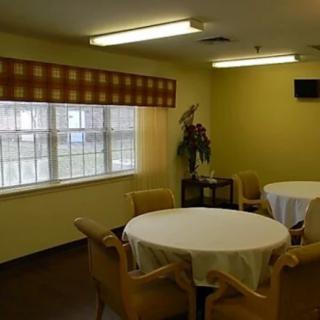
 Dining room
 Financing advice
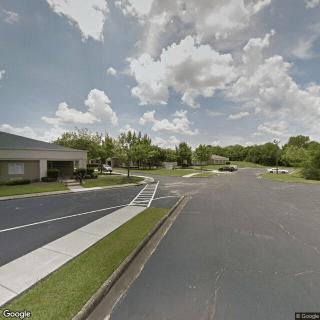
 Guest parking
 Housekeeping services
 Indoor common areas
 Laundry
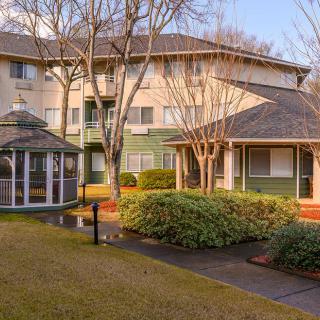
 Outdoor common areas
 Overnight guests
 Private
 Wi-Fi/high-speed internet available
 Montgomery Regional Apt (9 miles away)
 Transportation & parking
 Ambulatory care
 Diabetic care
 High acuity care
 Incontinence care
 Medication management
 Meals provided
 Arts and crafts
 Book club
 Educational speakers / life long learning
 Fitness programs
 Games
Games Gardening club
 Live musical performances
 Religious services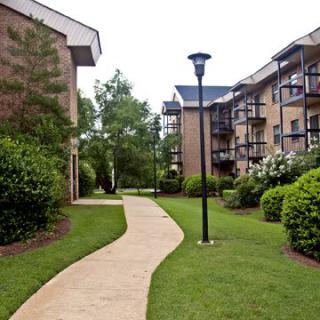



 Dementia, Paranoia, and Caregiver Guidance: Understanding the Connection
 Engaging Memory Care Activities That Enhance Quality of Life
 When to Transition from Assisted Living to Memory Care: Key Indicators, Steps, and Finding the Right Community