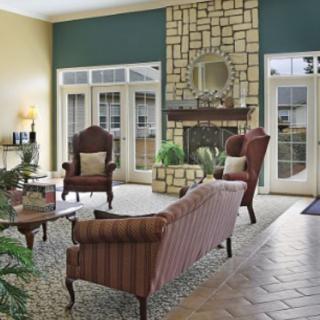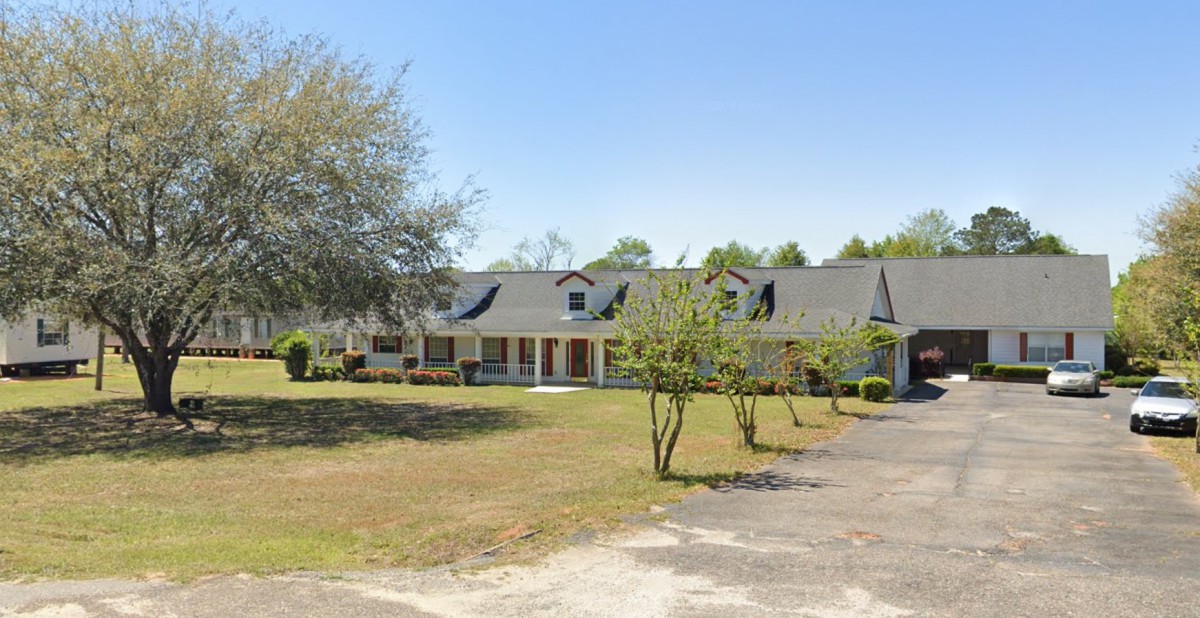
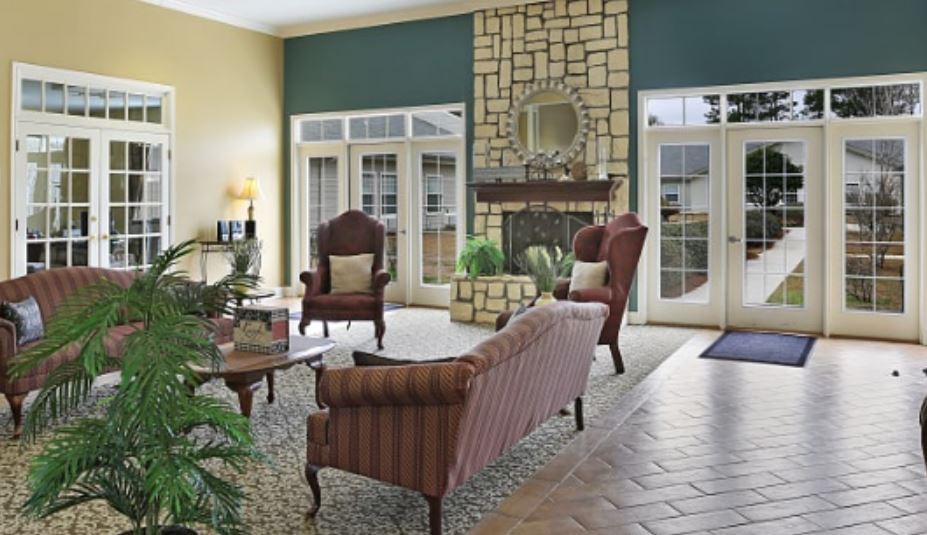

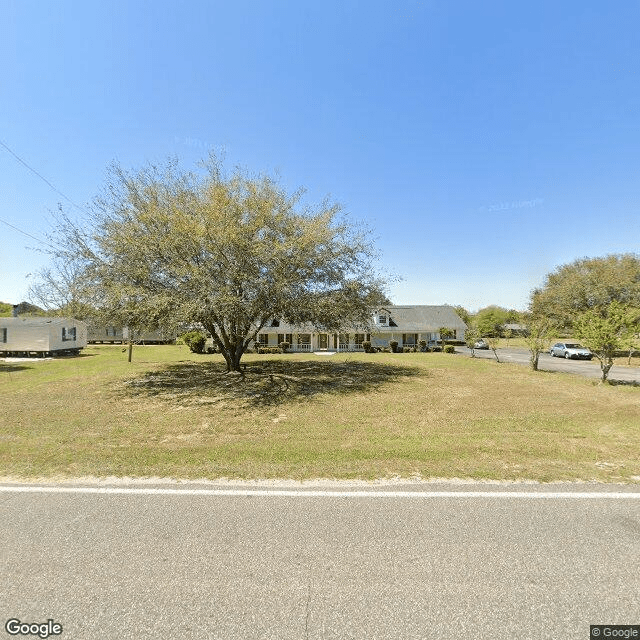
1045 Novatan Rd N, Mobile, AL 36608
To contact a resident: (251) 649-7021
For more information about senior living options: (866) 208-4318
Stacey Manor Assisted Living Costs & Pricing
Stacey Manor Assisted Living offers competitive pricing for its residents, with private rooms ranging from $2,300 to $4,500 per month. This pricing strategy positions Stacey Manor favorably compared to the average costs in Mobile County and the broader state of Alabama, where monthly expenses for similar accommodations are approximately $3,576 and $4,158 respectively. By providing a variety of options within this range, Stacey Manor not only enhances accessibility for various budgets but also maintains a commitment to quality care and comfortable living arrangements. This makes it an appealing choice for potential residents seeking both affordability and exceptional service in assisted living.
| Floor plans | Stacey Manor Assisted Living | Mobile County | Alabama |
|---|---|---|---|
| Private | $2,300 to $4,500 | $3,576 | $4,158 |
Senior living communities with a similar price nearby
-
from -$111 / mo

Holiday University Oaks
$2,189 to $3,409 / month9.7 miles away -
from +$300 / mo
Knollwood Pointe
$2,600 to $4,100 / month10.5 miles away -
from +$300 / mo

Carrington Place
$2,600 to $3,200 / month17.1 miles away -
from -$300 / mo
Country Gables Assisted Living
$2,000 to $3,000 / month9.5 miles away -
from -$300 / mo

Our Southern Home - Dauphin
$2,000 to $2,500 / month15.9 miles away
Overall Review of Stacey Manor Assisted Living
Pros
 The mother showed resilience by pursuing justice in small claims court.
- The family achieved a favorable outcome against the facility.
- They demonstrated determination by using simple facts to support their case without an attorney.
- The experience highlights the value of due diligence and informed decision-making when evaluating facilities.
- The situation can empower others to seek recourse when rights are violated.
Cons
 The facility is not licensed to accept such patients and is not able to care for them.
- The owner allegedly feeds lies to work around the law.
- They are an ALF facility, not SCALF, and cannot meet the needs of someone requiring more than normal assistance.
- The facility has acted illegally or made false statements, according to the reviews.
- The reviewer’s 86-year-old mother was victimized by the facility.
Review
Stacey Manor Assisted Living in Mobile appears best suited for seniors who require minimal, routine assistance and who do not have significant cognitive or medical needs. The accounts describe a small, everyday-care environment where chores like medication reminders, personal care, and basic supervision are expected to be handled at an assisted-living level. For families chasing a straightforward, lower-intensity option, this may seem reasonable. Yet the moment memory-care requirements or higher medical oversight enter the picture, the value proposition collapses. In short, Stacey Manor markets itself as standard assisted living, not as a memory-care or high-acuity setting, and that distinction matters deeply when care needs outpace routine support.
Those with loved ones in late-stage dementia or requiring SCALF-level care should look elsewhere immediately. The reviews allege the facility admitted a patient with advanced Alzheimer’s/dementia despite lacking SCALF licensing. If licensure is a deciding factor, and it should be, families must demand formal verification from the state and insist on a facility that clearly discloses its capacity to care for memory-impaired residents. Transparent licensure, aligned with the level of care promised, is non-negotiable. For anyone prioritizing safety and regulatory clarity, a setting that can demonstrate compliant memory-care capabilities is essential, not optional.
The conundrum presented by Stacey Manor ultimately hinges on licensing and honesty. The accounts describe a pattern in which the owner allegedly misrepresented the facility’s capabilities and knowingly accepted a resident whose needs exceed what an ALF can sustain. The outcome described in the accounts, a small-claims court decision favoring the plaintiff, underscores the severity of the claimed misalignment. The repetition across two reviews amplifies the concern: a facility that cannot clearly prove it has SCALF authorization, or that it is fully honest about its limits, raises serious questions about resident safety, oversight, and the protection of residents’ rights.
Pros, if any, do not meaningfully offset these fundamental faults. Even if there is perceived personal attention or a simpler, quieter environment, those potential benefits are overshadowed by questions of licensure and trust. The absence of SCALF authority, coupled with allegations of deliberate misrepresentation, erodes confidence in the facility’s ability to manage dementia behaviors, medication needs, and emergency situations. In practical terms, that means higher risk of inappropriate placement and insufficient safeguards for residents requiring memory care, with regulatory and liability implications for families and staff alike.
From a decision-making standpoint, it is essential to verify licensing with the Alabama Department of Public Health, request the exact scope of care the facility is authorized to provide, and obtain written assurances about any limits on dementia care. Contracts, too, should be reviewed by an elder-care attorney or advocate, and inquiries should be made into staff training for safety incidents, medication management, and emergency response. Prospective residents should seek out references from families of current or former residents and demand concrete evidence of memory-care capabilities, care plans, and regulatory citations. If memory care is non-negotiable, prioritize communities that publish explicit credentials and maintain active, verifiable compliance records.
In sum, Stacey Manor Assisted Living does not emerge as a prudent option for families needing memory-care or high-acuity supervision. The accounts point to serious licensing and honesty concerns that cast long shadows over resident safety and regulatory compliance. For families prioritizing reliability, transparency, and compliant care, look to alternatives with clearly documented SCALF licensure or dedicated memory-care programs. The responsible path is to favor verifiable licensure and proven memory-care capacity over a setting that cannot demonstrate alignment between promised services and regulatory authority.
 Board and Care Home
 Activities on-site
 Bath tubs
 Beautician on-site
 Devotional services on-site
 Indoor common areas
 Outdoor common areas
 Private
 Private bathrooms
 Respite or short term stays offered
 Mobile Regional (4 miles away)
 Ambulatory care
 Diabetic care
 High acuity care
 Incontinence care
 Medication management
 Meals provided




 Seniors and Modern Transportation: Exploring Uber, Lyft, and Other Ride-Hailing Options
 Comprehensive Guide to Qualifying for Home Health Care Services
 Powerful Realities of Elder Abuse and the Most Effective Ways to Report It