

2004 Viking Dr, Jasper, AL 35501
To contact a resident: (205) 221-1650
For more information about senior living options: (866) 208-4318
Overall Review of Magnolia Manor of Jasper
Pros
 Harbor Chase in Jasper, Alabama, is described as an exceptional assisted living facility.
- The resident's mother has received excellent care, and all her caretakers are loving and professional.
- The director, Anita Williams, is very dedicated and caring for everyone there.
- Friendly, smiling faces greet visitors.
- The aunt and reviewer were extremely impressed with the facility and the staff.
- Mary Holley helped them and was nicer and more helpful.
- Mary Holly came in on her day off to speak to them about their mother-in-law and was very helpful, caring, and sincere.
- The facility was impressive and clean, and the staff were very friendly.
- Everyone they met seemed to be part of one big loving family.
- They would not hesitate to place a loved one at Harbor Chase in Jasper, AL.
Cons
 The place is filthy and has bugs in the couch.
- The staff have no idea how to care for the residents at all.
- They had the worst experience ever with them.
- They feel that the residents should be medicated all day, which is what happened to the reviewer’s mother.
- They claim the food given to residents is awful.
Review
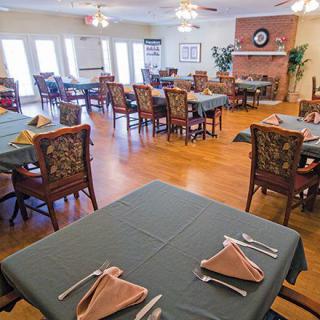
Magnolia Manor of Jasper is best suited for families seeking a warm, caregiver-driven community where daily interactions and a sense of belonging are the primary draws. The reviews consistently highlight a welcoming environment, with residents and families describing staff as friendly, attentive, and genuinely caring. This is the kind of setting that can ease transitions for seniors who prioritize human connection, readily available help, and a home-like atmosphere over pristine showroom polish. For those who measure success by daily warmth, responsive staff, and the feeling of a nurturing, familial culture, Magnolia Manor offers a compelling fit.
Conversely, any family weighing Magnolia Manor against alternatives should err on the side of caution if environmental rigor or clinical oversight is non-negotiable. A subset of the feedback raises red flags about cleanliness and maintenance, with mentions of dirty conditions and pest-like concerns. More troubling are claims about medication practices, suggesting that residents could be over-medicated or not adequately supervised. For seniors with complex medical needs, cognitive conditions, or a strong emphasis on precise medication management and transparent care plans, these reports warrant thorough verification and comparison with other nearby options.
The strongest and most durable positives center on people. Multiple reviews describe staff as loving, professional, and consistently engaged, with the absence of stiff formalities replaced by approachable, dependable care. Families repeatedly note that directors or managers are visible, responsive, and supportive, contributing to a sense that residents are truly known and valued. In practical terms, this creates substantial peace of mind for relatives who cannot be on site every day and must trust that their loved ones are treated with dignity and kindness. When a community can deliver that level of emotional support, it becomes a meaningful anchor for daily life.
Yet the negative voices cannot be dismissed, and they tilt the overall assessment toward caution. Reports of filthy environments and couches with bugs, paired with accusations about inadequate caregiver training or oversight, raise serious questions about basic safety and quality control. While these accounts may represent a minority, they highlight critical fault lines, environmental cleanliness, pest control, and the integrity of medication practices. Families must consider whether these concerns reflect isolated incidents or ongoing patterns, because the consequences for resident well-being are substantial and not easily offset by moments of warmth.
Do the positives offset the concerns? They can for families who prioritize a close-knit, person-centered atmosphere and who are able to verify environmental and clinical standards in person. The warmth of staff and the sense of a welcoming, home-like culture can compensate for occasional lapses if the facility demonstrates rapid, credible improvements and transparent governance. However, if cleanliness, safety practices, or medication management prove elusive or inconsistent, those strengths lose weight quickly. This is a decision that benefits from direct, multi-visit assessment: talk to administrators, review care plans, observe staff interactions during peak hours, and scrutinize housekeeping and clinical protocols to determine whether the good moments truly define daily life.
Practical next steps should be straightforward. Schedule an extensive on-site tour focused on infection control, housekeeping routines, and pest management, ask to see recent maintenance logs and cleaning schedules. Request a candid discussion about medication practices, including who supervises meds, how changes are communicated to families, and how incidents are documented. Speak with several residents and multiple family members about daily routines, responsiveness, and the consistency of care, and request to review the formal care plans and staff-to-resident ratios. If satisfying answers on these points cannot be documented convincingly, the prudent path is to explore alternatives in the Jasper area. Magnolia Manor offers a warm, community-centered environment, but safety, upkeep, and transparent clinical oversight must be proven, not assumed, to justify making a relocation decision.
 Assisted Living
 Activities on-site
 Devotional services off-site
 Indoor common areas
 Ambulatory care
 Diabetic care
 Meals provided


 Comprehensive Insights into Activities of Daily Living (ADLs) and Their Assessment
 Medicare Coverage for Assisted Living: An In-Depth Exploration
 Your Comprehensive Guide to Luxury Assisted Living: Elevated Facilities, Amenities, and Costs