

513 Pineview Ave, Glencoe, AL 35905
To contact a resident: (256) 492-5350
For more information about senior living options: (866) 208-4318
Overall Review of Coosa Valley Health Care Ctr
Pros
 The care for their uncle was loving and impressive, and the staff became their family.
- The staff and administrators provided excellent care for their mother, with the hospice team described as a great blessing.
- They felt supported, informed, and truly cared for by the staff and hospice team.
- They felt like they were part of a team working together for the good of their mother.
Cons
 They caution that trusting this facility with a loved one was a grave mistake and should be avoided.
- They describe the staff as horrible and the place as terrible, implying it’s not suitable for a family member.
- They claim residents are left in a mess for hours and clothing is lost or mishandled.
- They allege staff are rude and visiting policies are unfair or inconsistently enforced.
- They say the management does not value employees or residents and is ill-prepared for emergencies.
- They describe the workplace as miserable, with staff turnover and low loyalty.
- They accuse the facility of racism and discriminatory behavior.
- They warn that the work environment is unsafe and not worth staying in, even saying “If you value your life, don’t work here.”
Review
This community is best suited for families that can bring a strong, hands-on advocacy approach and want care that can be warm and compassionate at the bedside, especially when hospice or end‑of‑life coordination is part of the plan. It can work for residents who benefit from a team that includes attentive caregivers and a responsive hospice partner, and for families prepared to stay closely engaged with daily care decisions. However, those who require consistently high-quality daily caregiving, predictable staffing, and flawless administrative reliability should consider alternatives. The risks tied to staffing turnover and variable oversight make this a facility where family advocacy becomes a core component of any acceptable care strategy.
On the positive side, several accounts highlight genuine warmth and caring from individual staff members. Families felt they were treated as part of a collaborative care team, with staff and administrators who communicated and supported them through difficult moments. The hospice partners associated with the facility were repeatedly described as compassionate and instrumental in guiding end-of-life care. Where those elements align, families found real comfort and reassurance, especially when they could lean on a dedicated team to coordinate with doctors, nurses, and other professionals. In short, the facility can deliver meaningful, person-centered moments when staffing is aligned and engaged.
The major drawbacks, by contrast, are systemic and recurring. A substantial portion of reviews paints a stark picture of chronic understaffing, high turnover, and administration that struggles to keep up with daily responsibilities. Residents allegedly sit in soiled conditions or go long stretches without timely help, clothing and personal items can go missing, and families report feeling sidelined or overwhelmed by the lack of consistent oversight. Several comments describe hostile or dismissive office staff, with widespread concerns about miscommunication and insufficient preparedness for routine or urgent needs. The tone across these reviews is consistently alarming: care quality and safety appear vulnerable when staffing and accountability falter.
These tensions between occasional warmth and frequent breakdowns determine how the pros stack against the cons. The presence of compassionate individuals and a responsive hospice team cannot compensate for persistent under-staffing, poor continuity of care, or leadership gaps. When caregivers are unevenly available and decisions are not reliably documented or communicated, the once-encouraging moments lose their staying power. For families who can supervise closely and push for timely interventions, a reasonable level of care may be achievable. For others, the risk of neglect or mismanagement tends to dominate the decision, making this facility a risky choice for long-term placement.
Given the uneven record, the facility is not a first choice for most families, particularly those seeking dependable, day-to-day reliability. Alternatives should be considered for anyone who cannot actively monitor care or who cannot tolerate the potential for lapses in safety and responsiveness. If choosing this community, set clear expectations: insist on a designated point person, obtain a detailed daily care plan, request regular updates, and verify staffing levels and turnover rates. For those leaning toward this option, insist on witnessing a recent care conference, meeting the administration, and, ideally, speaking with multiple staff members who have direct oversight of residents.
In the end, a prudent decision hinges on balancing the moments of genuine warmth against a backdrop of systemic concerns. Families should be prepared for intense advocacy, relentless follow-up, and a readiness to switch plans if care quality and communication do not rise to an acceptable standard. If the priority is unwavering, predictable daily care with strong, consistent staffing, this community should be ranked behind other nearby facilities with stronger, verifiable staffing metrics and higher overall reliability. The right choice will align the family’s capacity for advocacy with the facility’s ability to deliver steady, safe, respectful care.
 Assisted Living
 Skilled Nursing Facility
 Activities on-site
 Devotional services off-site
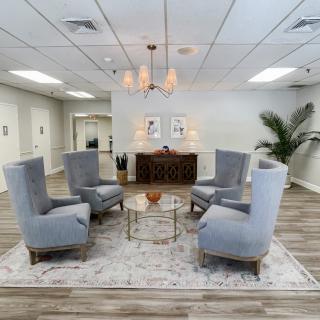
 Indoor common areas
 Ambulatory care
 Diabetic care
 Meals provided






 Comprehensive Insights into Activities of Daily Living (ADLs) and Their Assessment
 Medicare Coverage for Assisted Living: An In-Depth Exploration
 Choosing the Right Senior Care: A Detailed Exploration of Assisted Living and Nursing Homes