





924 Plantation Boulevard, Fairhope, AL 36532
For more information about senior living options: (866) 208-4318
Huntingdon Costs & Pricing
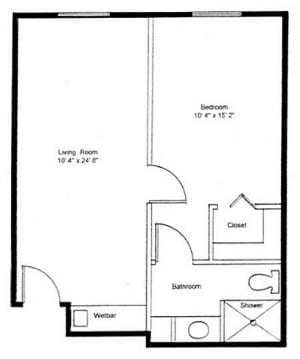
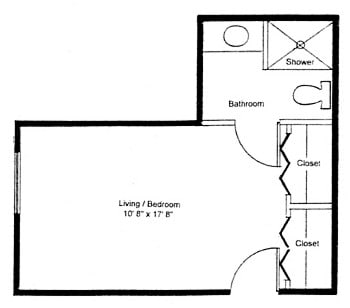
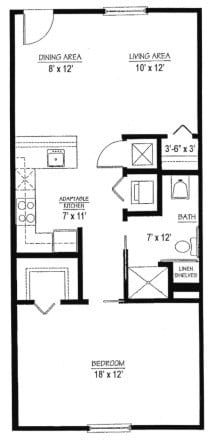
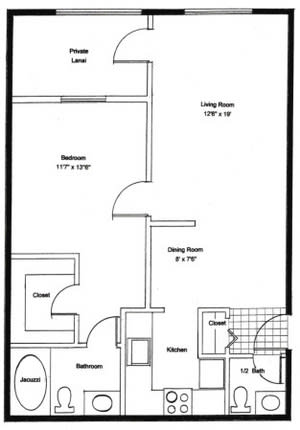
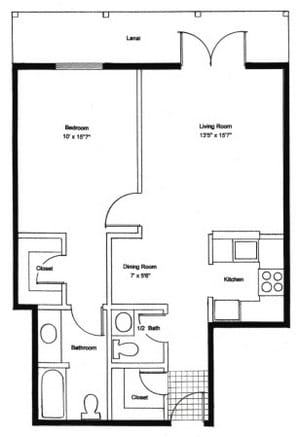
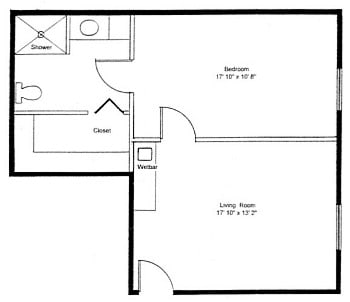
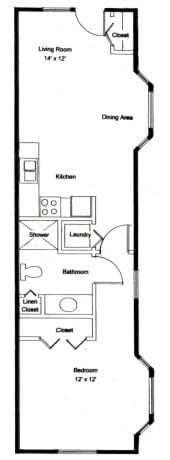
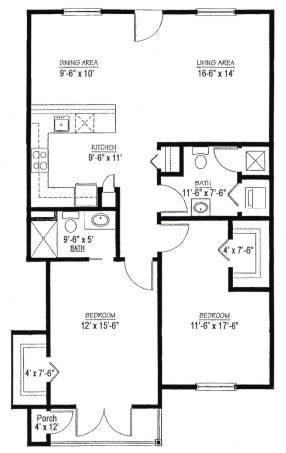
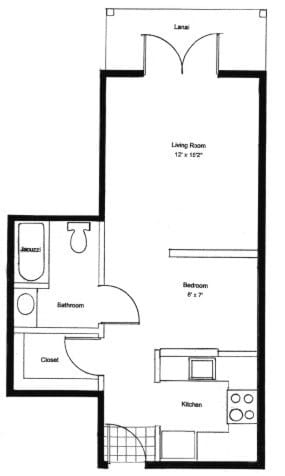
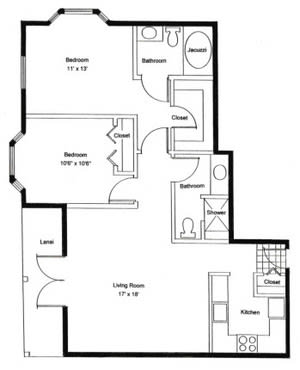
In Huntingdon, the cost of living is notably more affordable compared to both Baldwin County and the broader state of Alabama. For instance, a studio apartment in Huntingdon averages $1,500 per month, which is significantly lower than the average cost of $3,511 in Baldwin County and $3,279 across Alabama. Similarly, a one-bedroom unit in Huntingdon costs approximately $1,800 monthly, contrasting sharply with its counterparts at $3,286 in Baldwin County and $3,417 statewide. Even the two-bedroom apartments reflect this trend; they are priced at $2,500 in Huntingdon while exceeding $3,698 in Baldwin County and reaching up to $3,788 across Alabama. These figures highlight Huntingdon as an attractive option for those seeking economical housing without sacrificing quality or convenience.
| Floor plans | Huntingdon | Baldwin County | Alabama |
|---|---|---|---|
| Studio | $1,500 | $3,511 | $3,279 |
| 1 Bedroom | $1,800 | $3,286 | $3,417 |
| 2 Bedrooms | $2,500 | $3,698 | $3,788 |
Assisted Living communities with a similar price nearby
-
About the same

Live Oak Village Independent & Assisted Living
$1,499 to $3,780 / month13.0 miles away -
from +$277 / mo

Our Southern Home - Three Notch
$1,777 / month19.5 miles away
Overall Review of Huntingdon
Pros
 The Huntingdon at Homestead Village is a wonderful community.
- The staff are supportive and great to work with.
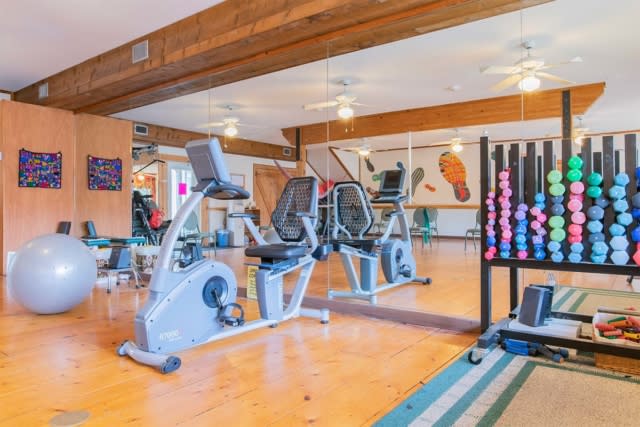
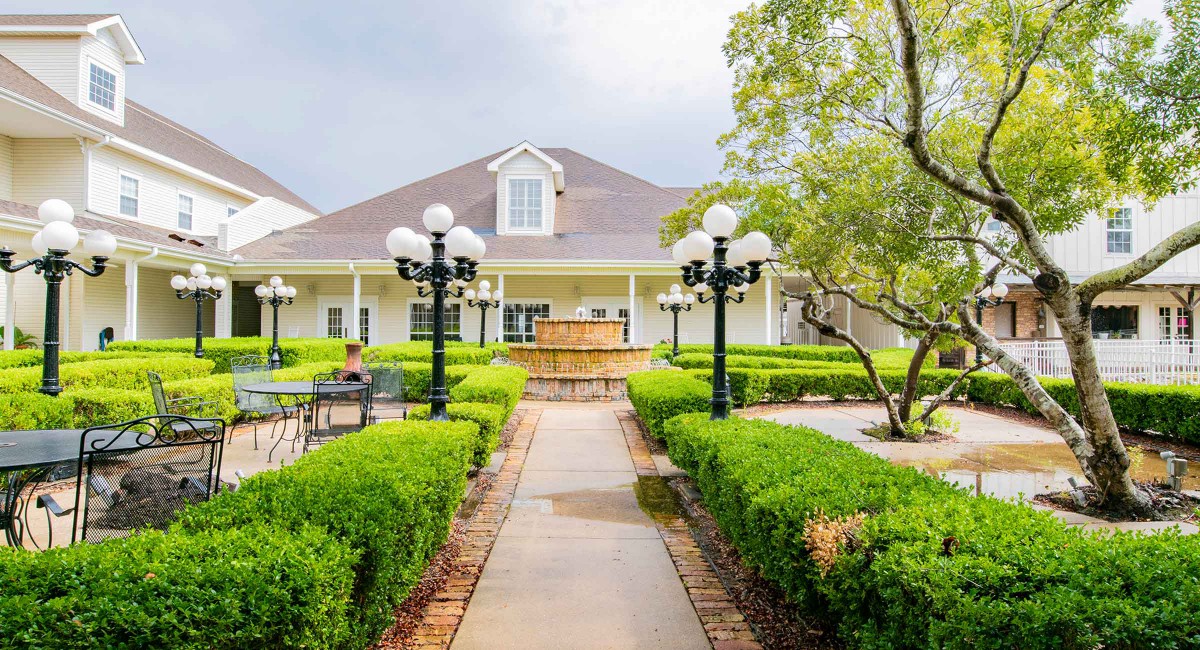
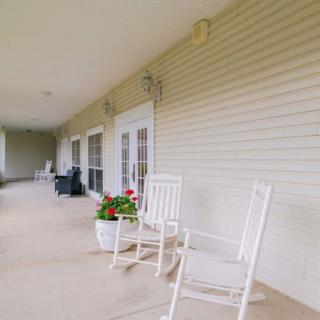
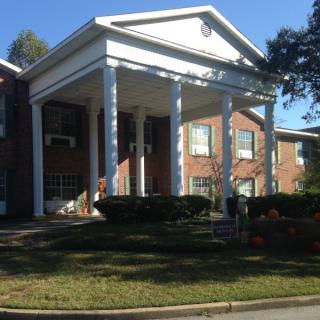
- The campus is beautiful and includes a community garden and walking areas for residents.
- Residents receive three healthy and tasty meals each day.
- Staff are friendly and attentive, and meals can be delivered to residents' rooms to avoid missing a meal.
- The primary administrator is great, and some assisted living staff are attentive and caring.
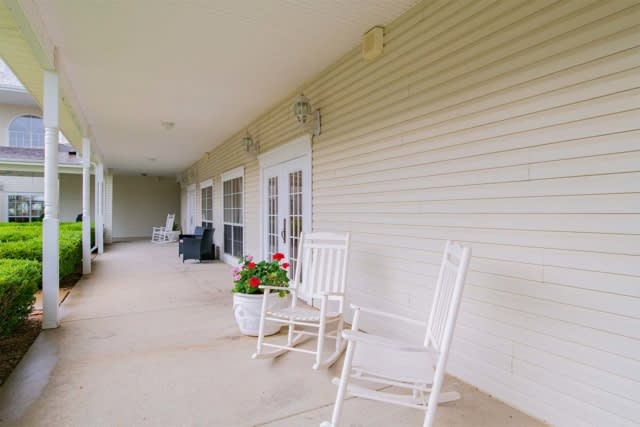
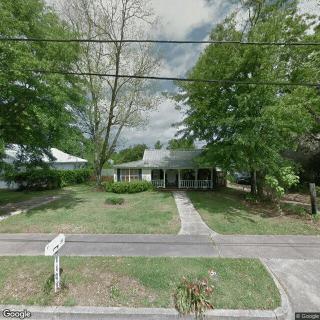
- The town location is great, with front porches, courtyards, and a garden area that supports outdoor living.
Cons
 They were told the facility was completely full and urged to try somewhere else.
- The tour exchange lasted under ten minutes, and they were never offered to be shown anything; they were essentially kicked out.
- The claim that The Huntingdon can be a forever home was described as a lie, since residents can be kicked out for vague reasons after move-in.
- Her biggest complaint was that she had to ask for any over-the-counter medicines because such meds are not allowed in the residents’ apartments.
- They placed her meal in her room so she wouldn’t miss lunch.
- The administration was not particularly concerned about the residents nor helpful in resolving problems.
- There was a lack of staff presence and open communication with residents in independent living.
- The independent building tour was denied due to no escort, and the uncle found the Huntingdon facility to be too boring.
- The reviewer was very disappointed that he could not visit before leaving and had to decide quickly.
Review
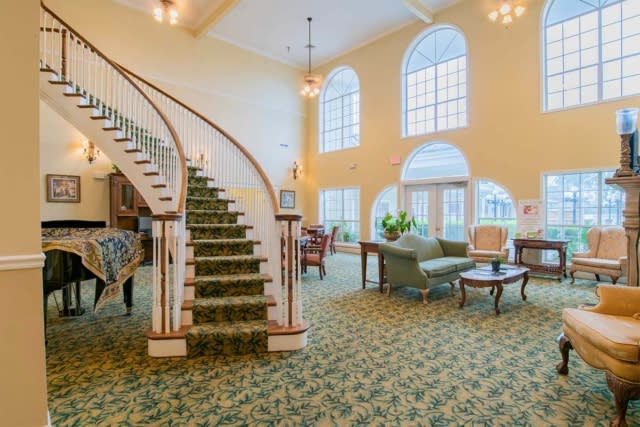
The Huntingdon at Homestead Village is best suited for families seeking a campus-style, amenity-rich senior living environment in Fairhope where community life, attractive grounds, and reliable meal service are priorities. It appeals to residents who appreciate walkable spaces, a garden, front porches and courtyard areas, and a social rhythm built around meals and activities. It works best for those who want a visible, welcoming atmosphere and are comfortable advocating for clarity in admissions and policies rather than expecting perfect, error-free administration.
There are clear reasons to consider alternatives, especially for families prioritizing transparent admissions, consistent staffing, and predictable terms. The property has had troubling tour experiences, with potential residents being turned away or told to seek elsewhere in moments that feel discourteous or unhelpful. Claims about “forever home” policies can be misleading to families who need concrete retention terms and exit criteria. For anyone needing a uniformly proactive administrative team, or wanting a streamlined process with reliable, steady resident-facing leadership, other communities may deliver more consistent expectations.
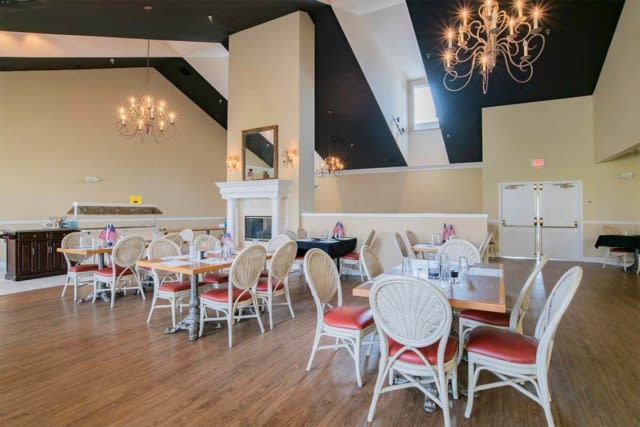
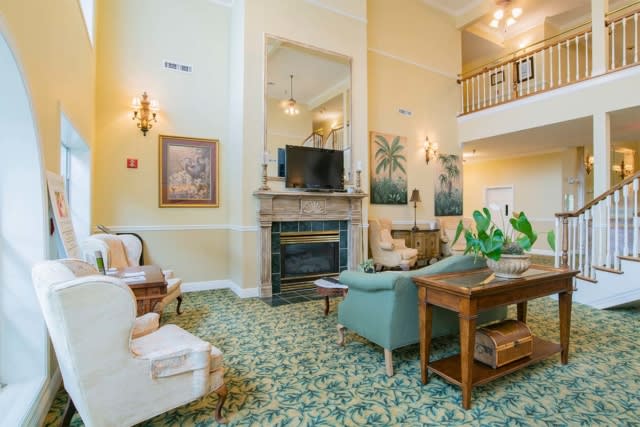
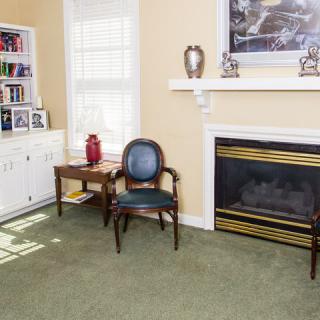
On the upside, the campus environment and everyday routines can be a strong match for many seniors. The grounds are well kept, with a community garden and inviting spaces for walking, sitting, and conversing with neighbors. Dining areas and rooms are generally described as pleasant, and in some cases residents receive well-timed, attentive meals, sometimes even when a loved one cannot return for lunch. Staff quality is not uniformly defined in every unit, but several families report supportive, friendly interactions and meals prepared with care, underscoring a core strength of a warm, homelike feel when the right staff are on duty.
Yet the main concerns cannot be ignored. Administrative engagement varies; some reviews describe administrators as helpful while others convey frustration with problem resolution and genuine responsiveness. The possibility of eviction for vague reasons after move-in is a recurrent red flag, particularly for families seeking long-term peace of mind. Independent living areas in particular are criticized for a perceived lack of staff presence and weaker resident relations, leaving some residents feeling more isolated or “institutional” than envisioned. Medications in some units are restricted, and a few families note gaps in communication and access that can complicate daily routines and care planning.
These pros and cons map onto different resident profiles in a practical way. For a socially active senior who values outdoor living, gardens, and a lively dining scene, Huntingdon can deliver meaningful quality of life, provided families are willing to verify current policies and assume a degree of advocacy to protect prospective guarantees. For a resident who requires consistent, transparent terms, or who wants a high-touch care culture with reliable problem-solving from top to bottom, the variability in administration and the admission experience may outweigh the benefits. For those weighing independent living versus assisted options, the mixed signals about staff presence suggest visiting multiple times and speaking candidly with both current residents and their families before deciding.
Practical next steps should anchor the decision: arrange several in-person visits during different times of the day, request the most current list of available rooms, and obtain a written outline of admission terms, retention policies, and any eviction criteria. Ask pointed questions about staff-to-resident ratios, how care coordination works across independent and assisted living units, and what guarantees exist for ongoing access to services if health needs rise. If possible, speak directly with current residents about daily staff interactions, responsiveness to needs, and how dining and activity schedules feel in practice. Compare these findings against a similar community with a more uniform administrative approach, and let comfort with policy clarity and day-to-day consistency drive the final choice.
 50 resident community capacity
 Assisted Living
 Independent Living
 Activities off-site
 Air-conditioning
 Bath tubs
 Beautician on-site
 Cable or satellite TV
 Devotional services off-site
 Dining room
 Fully furnished
 Garden
 Ground floor units
 Handicap accessible
 Housekeeping services
 Indoor common areas
 Kitchenette
 Move-in coordination
 Outdoor space
 Restaurant-style dining
 Small library
 Telephone
 Wheelchair accessible showers
 Wi-Fi/high-speed internet available
 Mobile Regional (24 miles away)
 24-hour call system
 Ambulatory care
 Assistance with bathing
 Assistance with dressing
 Assistance with transfers
 Diabetes diet
 Medication management
 Mental wellness program
 Special dietary restrictions
 Art classes
 Day trips and outings
 Educational speakers / life long learning
 Forever fit
 Happy hour
 Live dance or theater performances
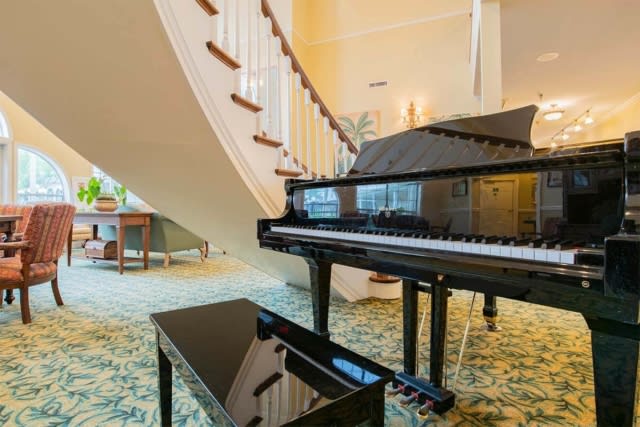
 Live musical performances
 Live well programs
 Wine tasting



 Comprehensive Insights into Activities of Daily Living (ADLs) and Their Assessment
 Guiding Elderly Parents Who Refuse Assisted Living: 6 Practical Steps
 Your Comprehensive Guide to Luxury Assisted Living: Elevated Facilities, Amenities, and Costs