
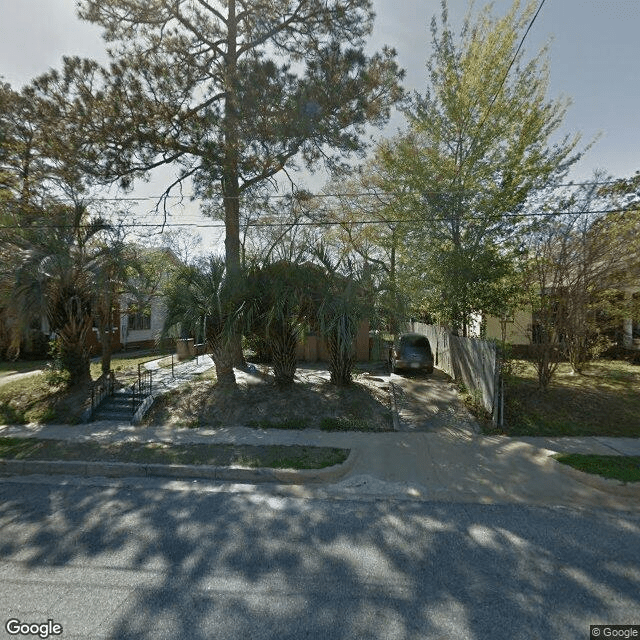
111 N Bell St, Dothan, AL 36303
To contact a resident: (334) 671-8173
For more information about senior living options: (866) 208-4318
Big Brothers Home AFH Costs & Pricing
At Big Brothers Home AFH, the monthly cost for a studio room is set at $1,800, which positions it as a more affordable option compared to the average costs in Houston County and across Alabama. In Houston County, similar accommodations are priced significantly higher at approximately $3,726 per month, while the statewide average stands around $3,279. This competitive pricing at Big Brothers Home AFH not only highlights its commitment to providing quality care but also makes it an attractive choice for individuals seeking supportive living arrangements without placing undue financial strain on families.
| Floor plans | Big Brothers Home AFH | Houston County | Alabama |
|---|---|---|---|
| Studio | $1,800 | $3,726 | $3,279 |
Senior living communities with a similar price nearby
-
About the same

Henry County Health And Rehabilitation Facility
$1,795 to $2,945 / month24.2 miles away -
from +$280 / mo

Azalea Court Assisted Living Facility
$2,080 to $6,595 / month9.4 miles away -
from +$220 / mo

Dogwood Manor Assisted Living Facility
$2,020 / month24.2 miles away
Overall Review of Big Brothers Home AFH
Pros
 The place was good to them and they were never mistreated by staff.
- The staff helped them.
- The place saved them and is needed for troubled youth.
Cons
 The place is described as so easy that poor kids go there and end up in prison because it’s easy and fun.
- Workers are accused of taking parents’ hard-earned money for the kids and then selling the cell phones.
- The place is not a place that helps.
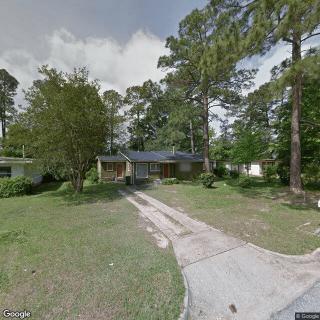
- It’s described as a regular house with six bedrooms where kids run the home and staff are outnumbered.
- It’s suggested that kids can do anything and get whatever they want there, undermining proper safeguards.
Review
Big Brothers Home AFH in Dothan, AL is best suited for families seeking a tightly supervised, no-frills residential environment for troubled youths who respond to structure and accountability more than therapy. The model leans on a small-house setting with direct, hands-on staff involvement rather than clinical treatment. For families prioritizing predictable routines, clear boundaries, and immediate staff responsiveness, this option can provide a stable daily rhythm. The strongest case rests with youths who benefit from discipline and consistent consequences, even if the setting feels austere. This is not a therapeutic boot camp, but a supervised living arrangement where rules, schedules, and supervision are designed to curb impulsivity and promote basic accountability.
Explicitly, those who should consider alternatives are families seeking formal therapeutic intervention or robust clinical supports. If safety concerns, transparent governance, or specialized mental-health services are non-negotiable, other facilities with licensed therapy, documented outcomes, and third-party oversight are likely a better fit. The reviews raise red flags about oversight and financial conduct that blunt the sense of protection such settings are supposed to provide. In cases where there is suspicion of exploitation or lax enforcement of boundaries, it is prudent to explore programs with verifiable licensing, stronger policy safeguards, and clearer accountability mechanisms.
In practice, the posted pros, staff who are helpful and not emotionally indulgent, plus residents who feel the care is real, illustrate how structure can translate into meaningful progress. When personnel maintain firm boundaries, responsiveness, and consistent consequences, youths often gain a sense of security that supports behavioral change. The downside is that structure only works if supervision is steady and rules are enforced with integrity. If staff are stretched thin or if the daily routine degenerates into routine without genuine oversight, the positives dissolve into permissiveness. The practical takeaway is that clarity of purpose and consistency in staffing are what separate constructive outcomes from hollow discipline.
The principal cons are substantial and non-trivial. Allegations of parents being asked for money and devices being misused raise legitimate concerns about financial integrity and resident protections. Additional testimony portrays a setting where residents can maneuver for privileges with limited checks, undermining rehabilitation aims. A six-bedroom house can become a supervision challenge unless staffing ratios and monitoring practices are rigorously maintained. These issues do not exist in isolation; they speak to the overall culture and day-to-day discipline of the home. Without strong governance, the promised structure risks becoming a permissive environment that gaps on progress and safety.
Prospective families should approach with concrete diligence. Verify current licensing status, review the latest inspection reports, and request detailed staffing ratios and daily supervision schedules. Ask for the program’s policies on resident property, finances, and grievance handling, and insist on seeing written procedures rather than verbal assurances. Speak with current families and, if possible, past residents about real-world experiences beyond initial impressions. Require a transparent fee structure, receipts for any charges, and explicit terms for transition or exit if progress stalls. Consider contacting the state licensing agency to corroborate claims and clarify any outstanding concerns before making a commitment.
Ultimately, Big Brothers Home AFH is a conditional option. It can deliver a stabilizing, structure-driven environment for youths who respond to accountability and predictable routines, provided that critical safeguards are in place and ongoing oversight is verifiable. However, the mix of positive anecdotes and serious allegations means the decision hinges on rigorous due diligence and a clear plan for monitoring progress. Families prioritizing safety, documented clinical support, and transparent governance should evaluate stronger-treated alternatives first. If choosing this home, insist on tight controls, a concrete improvement plan, and an explicit exit strategy to ensure the setting truly serves rehabilitation rather than masking risk.
 Board and Care Home
 Dothan (7 miles away)





 Caregiver Exhaustion: Recognizing the Signs and Restoring Your Well-Being
 Understanding Hospice Care at Home: Comprehensive Services, Key Benefits, and Eligibility
 Understanding the Full Cost of 24/7 In-Home Care: A Detailed Overview