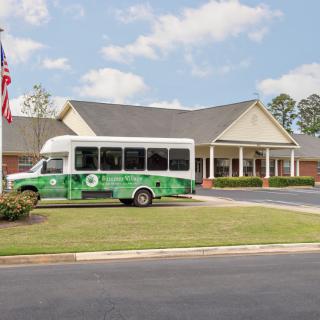
Magnolia Place Specialty Care Assisted Living Facility in Auburn, AL

Information last verified:

1553 Professional Parkway, Auburn, AL 36830

For more information about senior living options: (844) 490-3973

4.4 from 7 reviews
5 stars
6
4 stars
0
3 stars
0
2 stars
0
1 stars
1

Overall Review of Magnolia Place Specialty Care Assisted Living Facility

Pros

  • pro Magnolia Place is described as an absolutely fantastic establishment with a clean environment and a friendly staff that truly caters to older loved ones.
  • pro The staff at Magnolia Place are amazing and welcoming, with Kay, the Executive Director, being personable and kind.
  • pro Tori is absolutely amazing and always available to help in any way.
  • pro Summer Village offers spacious villas with large living areas, a sunroom, and an outside patio.
  • pro Included in the rent are three delicious meals a day, house cleaning, and all utilities, making it an excellent value.
  • pro John Smarr and the maintenance team go above and beyond for each resident and staff member.
  • pro The kitchen staff prepare delicious, mostly homemade meals, and residents enjoy them.

Cons

  • pro Poor management.
  • pro The executive director is the worst in healthcare history.

Review

Magnolia Place Specialty Care Assisted Living Facility is best suited for families wrestling with memory-care needs who want a hands-on, community-first environment where daily living tasks are bundled into one predictable package. The setting appeals to seniors who value regular meals, housekeeping, and transportation included in the rent, and who benefit from a villa-style living option that preserves independence while keeping care within easy reach. The campus emphasizes safety, consistent staff contact, and a lively schedule of activities, with a clear emphasis on treating residents like family. For families who want a memory-focused venue where staff checks in frequently and meals and social programming are readily available without complicating schedules, Magnolia Place offers a practical, reassuring fit. In short: this arrangement supports memory-care residents who do not want to surrender daily convenience for care quality.

Those who may want to consider alternatives are families prioritizing leadership stability and a quieter, more uniform day-to-day environment. A persistent thread in the feedback is outstanding frontline care paired with conflicted management. A reviewer’s harsh critique of the executive director signals real concern about consistent leadership and strategic decisions. For residents who prefer a smaller community footprint, less variability in governance, or a more tightly controlled memory-care program, other options may offer greater predictability. And for families seeking a facility with a strictly clinical memory-care focus rather than a blended, villa-based living arrangement, alternatives that concentrate resources on clinical programming could be worth exploring. Magnolia Place should be weighed against those considerations before committing long-term.

Yet the core operation is intensely practical and consistently strong. The reviews repeatedly commend staff warmth, responsiveness, and willingness to go above and beyond. A maintenance veteran described as Mr. Johnny on the spot has become an emblem of reliable support for both residents and peers. Caregivers are praised for daily checks, meals prepared with care, and a readiness to coordinate errands and social outings. The kitchen serves delicious meals, and the rhythm of laundry, cleaning, and transportation minimizes family burden. Front-desk and activity staff receive frequent gratitude for accessibility and reliability, with names like Kay, Tori, Dee Dee, and Kwanzaa cited for making residents’ days smoother and more engaging. Taken together, these on-the-ground strengths create a daily quality of life that makes significant care needs more manageable.

Where Magnolia Place falls short is not in the spirit of service, but in the consistency of leadership. A notable caution comes from concerns about management, with credible voices describing the executive leadership as problematic. That caveat matters because durable, long-range care hinges on steady administration, policy consistency, and proactive problem-solving at the top. Still, the places where leadership matters most, safety, staffing levels, program updates, are buffered by a strong front-line culture. Residents repeatedly report that activities, exercise classes, and social programming remain plentiful; the villas offer generous space, sunrooms, and included utilities, enabling a comfortable, home-like daily rhythm. In effect, the practical operations carry substantially more weight in day-to-day life than any abstract governance concerns.

For decision-making, Magnolia Place offers a compelling value proposition for memory-care oriented families who want a comprehensive package. The environment blends independent villa living with the security and support of a memory-care operation, including three meals a day, housekeeping, and utilities included in rent. The community’s social calendar, exercise classes, group activities, and outings, helps address isolation and cognitive engagement, which matters for memory care. The breadth of staff roles, from maintenance to front desk to dietary and activity staff, creates a reliable safety net around residents. Families should verify the level of care their loved one requires and confirm how memory-specific programming is delivered, as well as what happens if care needs escalate. The best outcomes come from observing the community during peak hours, speaking with several team members, and comparing with nearby options.

In sum, Magnolia Place/Summer Village stands out as a practical, experience-backed choice for families seeking robust daily living support, strong meal and housekeeping services, and an active, engaged community for seniors with memory-care needs. The mix of villa living with attentive, personable staff creates a home-like atmosphere that many residents and families value deeply. Leadership concerns exist and deserve careful scrutiny, prospective residents should ask for recent examples of executive decision-making and contingency planning and weigh whether the potential disruption is acceptable. For those who can tolerate a leadership caveat in exchange for consistent frontline care, reliable routines, and a well-rounded activity program, Magnolia Place represents a confident, long-term fit. If newer, tighter administrative stability or a stricter memory-focused framework is essential, alternatives in the Auburn area should be explored with the same thoroughness.

Features

Housing

  • 42 resident community capacity 42 resident community capacity

Types of Care

  • Assisted Living Assisted LivingAssisted living facilities provide crucial support and care for seniors who may need help with daily tasks such as medication management, bathing, and meal preparation. These communities offer a safe and comfortable environment where seniors can maintain their independence while receiving the assistance they need to thrive in their golden years.
  • Memory Care Memory CareMemory care is crucial for seniors as it provides specialized support and services for individuals with dementia or Alzheimer's disease. These programs offer a safe and secure environment where residents receive personalized care, cognitive stimulation, and help with daily activities. Memory care helps seniors maintain their independence, quality of life, and dignity while also providing peace of mind for their families.

Amenities

  • Beauty salon Beauty salonBeauty salons are important for seniors because they provide a space for them to feel pampered, socialize, and maintain their personal grooming and hygiene. Regular visits to a beauty salon can help boost seniors' self-esteem and overall well-being.
  • Cable or satellite TV Cable or satellite TVCable or satellite TV is important for seniors because it provides entertainment, news, and companionship, helping to combat loneliness and boredom. It also offers a wide range of programming options tailored to different interests and preferences.
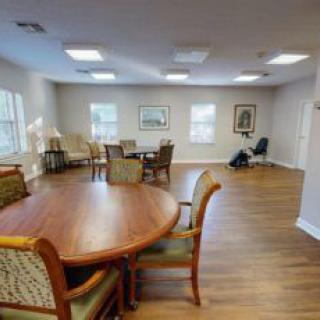
  • Dining room Dining roomDining rooms are important for seniors as they provide a space for socialization, connection, and nutritious meals. They offer opportunities for residents to bond over shared meals, foster a sense of community, and promote healthy eating habits. Dining rooms also ensure that seniors have access to well-balanced meals tailored to their dietary needs and preferences.
  • Fully furnished Fully furnishedFully furnished senior living communities are important for seniors because they provide convenience, comfort, and a hassle-free moving experience. Seniors can easily settle into their new living space without the stress of having to buy and move furniture. This allows them to focus on enjoying their new home and community.
  • Garden GardenGardens are important for seniors as they provide a peaceful and therapeutic environment for relaxation, physical activity, and socialization. Being in nature has been shown to reduce stress, improve mood, and promote overall well-being. Gardens also offer opportunities for seniors to engage in gardening activities, which can improve mobility, flexibility, and cognitive function. Additionally, gardens create a sense of community and connection with others who share a passion for plants and outdoor spaces.
  • Housekeeping services Housekeeping servicesHousekeeping services are important for seniors because they help maintain a clean and safe living environment, promote independence, and reduce the risk of accidents or illnesses. Additionally, having assistance with household chores can alleviate physical strain and allow seniors to focus on other aspects of their well-being.
  • Kitchenette KitchenetteKitchenettes are important for seniors living in senior living communities because they provide the convenience and independence of being able to prepare simple meals and snacks in the comfort of their own living space. This can help promote a sense of autonomy and well-being for seniors, allowing them to maintain some level of control over their dietary choices and daily routines.
  • Move-in coordination Move-in coordinationMove-in coordination is important for seniors because it helps ease the transition into their new living environment. It ensures that all logistics, such as packing, organizing movers, and setting up utilities are taken care of, allowing seniors to focus on settling in and adjusting to their new home. Having a smooth move-in process can alleviate stress and anxiety, making the transition smoother and more enjoyable for seniors.
  • Outdoor space Outdoor spaceOutdoor spaces are important for seniors as they provide opportunities for physical activity, social interaction, exposure to natural light and fresh air, and a sense of connection to nature. Having access to outdoor spaces can improve overall well-being and quality of life for older adults living in senior communities.
  • Restaurant-style dining Restaurant-style diningRestaurant-style dining is important for seniors because it allows them to enjoy delicious, nutritious meals in a social and upscale setting. This enhances their dining experience, promotes healthy eating habits, and fosters socialization with fellow residents, ultimately contributing to their overall well-being and quality of life.
  • Small library Small librarySmall libraries are important for seniors as they provide access to a variety of reading materials, including books, newspapers, and magazines. This can help stimulate their minds, keep them engaged, and provide a sense of community through book clubs and other social activities. Additionally, reading has been shown to improve cognitive function and overall mental well-being in older adults.
  • Telephone TelephoneTelephones are important for seniors as they provide a lifeline for communication with loved ones, emergency services, and healthcare providers. They offer a sense of security and independence, enabling seniors to stay connected and access assistance when needed.
  • Wi-Fi/high-speed internet available Wi-Fi/high-speed internet availableWi-Fi/high-speed internet is important for seniors to stay connected with loved ones, access online resources, and participate in virtual activities to combat feelings of loneliness and isolation. It also allows them to easily manage healthcare needs, access entertainment, and engage in lifelong learning opportunities.

Care Services

  • 24-hour call system 24-hour call system24-hour call systems are important for seniors because they provide peace of mind and immediate assistance in case of emergencies. This technology ensures that help is always available, promoting safety and security for elderly individuals living alone or in assisted living facilities.
  • 24-hour supervision 24-hour supervision24-hour supervision is important for seniors to ensure their safety, well-being, and access to immediate assistance in case of emergencies or health issues. This constant support provides peace of mind for both seniors and their loved ones, allowing them to age in place with dignity and security.
  • Activities of daily living assistance Activities of daily living assistanceActivities of daily living assistance are important for seniors because they provide essential support with tasks such as eating, bathing, dressing, and mobility. This assistance helps seniors maintain their independence, dignity, and overall quality of life as they age.
  • Assistance with bathing Assistance with bathingAssistance with bathing is crucial for seniors as it helps maintain personal hygiene, prevents infections, and ensures their overall well-being and comfort. It also provides a sense of dignity and independence for seniors who may struggle with this task on their own.
  • Assistance with dressing Assistance with dressingAssistance with dressing is important for seniors because it helps maintain their independence, promotes personal hygiene, prevents accidents and injuries, and improves overall quality of life. This service ensures that seniors can continue to dress comfortably and confidently, despite any physical limitations they may have.
  • Assistance with transfers Assistance with transfersAssistance with transfers is crucial for seniors as it helps prevent falls and injuries, maintains their independence, and ensures they can safely navigate their living environment. It also provides peace of mind for both seniors and their loved ones.
  • Diabetes diet Diabetes dietA diabetes diet is crucial for seniors as it helps manage blood sugar levels, reduce risks of complications, and improve overall health and well-being. By following a balanced and nutritious diet tailored to their specific needs, seniors can better control their diabetes and enhance their quality of life.
  • Meal preparation and service Meal preparation and serviceMeal preparation and service are crucial for seniors as they may have limited mobility or energy to cook nutritious meals. Having access to healthy and convenient food options can ensure they are getting the proper nutrition needed to maintain their overall health and well-being.
  • Medication management Medication managementMedication management is crucial for seniors to ensure they are taking the right medications at the correct dosages and times. This helps prevent adverse drug interactions, reduces the risk of medication errors, and promotes overall health and well-being. Proactive management also allows for adjustments as needed based on changing health conditions or new prescriptions.
  • Mental wellness program Mental wellness programMental wellness programs are essential for seniors as they promote cognitive stimulation, emotional support, and social engagement. These programs help prevent isolation, depression, and cognitive decline, ultimately enhancing the overall quality of life for older adults.
  • Mild cognitive impairment Mild cognitive impairment"Mild cognitive impairment" is important for seniors because it is an early stage of cognitive decline that can potentially progress to more severe conditions such as dementia. Recognizing and addressing mild cognitive impairment can help seniors receive appropriate care and support to maintain their quality of life and independence for as long as possible.
  • Special dietary restrictions Special dietary restrictionsSpecial dietary restrictions are important for seniors because age-related changes in metabolism and health conditions can make it difficult for their bodies to process certain foods. By following a diet tailored to their specific needs, seniors can maintain their overall health and well-being, manage chronic conditions, and reduce the risk of complications such as malnutrition or food interactions with medications.

  • Specialized memory care programming Specialized memory care programmingSpecialized memory care programming is crucial for seniors with cognitive impairments such as dementia or Alzheimer's disease. These programs provide a safe and supportive environment tailored to the unique needs of individuals with memory loss, helping them maintain their independence, dignity, and quality of life.

Dining

  • Diabetes diet Diabetes dietA diabetes diet is crucial for seniors as it helps manage blood sugar levels, reduce risks of complications, and improve overall health and well-being. By following a balanced and nutritious diet tailored to their specific needs, seniors can better control their diabetes and enhance their quality of life.
  • Special dietary restrictions Special dietary restrictionsSpecial dietary restrictions are important for seniors because age-related changes in metabolism and health conditions can make it difficult for their bodies to process certain foods. By following a diet tailored to their specific needs, seniors can maintain their overall health and well-being, manage chronic conditions, and reduce the risk of complications such as malnutrition or food interactions with medications.

Activities

  • Community-sponsored activities Community-sponsored activitiesCommunity-sponsored activities are important for seniors as they provide opportunities for social interaction, mental stimulation, and physical activity. These activities can help improve overall well-being, combat loneliness and isolation, and promote a sense of belonging and purpose among older adults.
  • Resident-run activities Resident-run activitiesResident-run activities are important for seniors as they encourage social interaction, creativity, and a sense of autonomy. These activities empower seniors to stay engaged and active in their community while fostering meaningful connections with their peers.
  • Scheduled daily activities Scheduled daily activitiesScheduled daily activities are important for seniors because they provide structure, socialization, mental stimulation, and physical activity. Engaging in regular activities can improve overall well-being and quality of life for seniors living in a community setting.

Description

Magnolia Place Specialty Care Assisted Living Facility in Auburn, AL is a specialized memory care community designed to provide a comfortable and supportive environment for individuals with memory impairments. With a range of amenities and care services, residents can enjoy a high quality of life while receiving the assistance they need.

The facility offers fully furnished accommodations, ensuring residents feel at home from the moment they move in. Each room includes cable or satellite TV, Wi-Fi/high-speed internet, and a telephone for easy connectivity. The dining room provides restaurant-style meals that cater to special dietary restrictions to promote optimal health.

Residents have access to various common areas and outdoor spaces, including a beautiful garden, where they can relax and socialize with other residents and staff. The small library offers a quiet space for reading or engaging in intellectual pursuits.

The dedicated team at Magnolia Place provides 24-hour supervision and assists residents with activities of daily living such as bathing, dressing, and transferring. Medication management services help ensure the proper administration of medications. A mental wellness program supports cognitive health, while specialized memory care programming addresses the unique needs of individuals with memory impairments.

A variety of resident-run and scheduled daily activities are available to keep residents engaged and stimulated. Additionally, nearby cafes, parks, pharmacies, physicians' offices, restaurants, transportation options, places of worship, and hospitals offer convenience for both residents and their families.

At Magnolia Place Specialty Care Assisted Living Facility, individuals receive personalized care in a warm and compassionate environment that fosters independence and promotes overall well-being.

Nearby Places of Interest

Physicians

  • Harrelson Family Medicine (0 miles)
  • University Center Dermatology (0.1 miles)
  • Gulf Coast Dermatology (0.1 miles)
  • Auburn Internal Medicine (0.1 miles)
  • Auburn Diagnostic Imaging (0.1 miles)
  • Alabama Imaging (0.1 miles)
  • Auburn Orthopaedic Center (0.2 miles)

Hospitals

  • East Alabama Health Care Authority (0.1 miles)
  • East Alabama Medical Center (2.3 miles)

Restaurants

  • Bruster's Ice Cream (0.4 miles)
  • Red Lobster (0.5 miles)
  • Cook Out (0.5 miles)
  • Waffle House (0.5 miles)
  • Laredo Mexican Grille (0.5 miles)
  • Popeyes Louisiana Kitchen (0.6 miles)
  • McDonald's (0.6 miles)

Pharmacies

  • Walmart Pharmacy (0.5 miles)
  • CVS Pharmacy (0.6 miles)
  • The Drug Store (1.5 miles)
  • Walgreens (1.9 miles)
  • CVS Pharmacy (1.9 miles)
  • Walgreens (2.5 miles)
  • CVS Pharmacy (2.6 miles)

Cafes

  • Panera Bread (0.6 miles)
  • Taste of Asia (0.8 miles)
  • Rosshouse Coffee (2.3 miles)
  • The Coffee Cat (2.5 miles)
  • Starbucks (2.8 miles)

Transportation

  • Enterprise Rent-A-Car (1.4 miles)
  • Auburn University Regional Airport (AUO) (1.5 miles)

Places of Worship

  • Lakeview Baptist Church (1.7 miles)
  • Unitarian Universalist Fellowship (2.5 miles)

Parks

  • Felton Little Park (2.2 miles)

Frequently Asked Questions

Where is Magnolia Place Specialty Care Assisted Living Facility?
Does Magnolia Place Specialty Care Assisted Living Facility provide care for residents with dementia or Alzheimer's disease?

Nearby Communities

  • Summer Village at Magnolia Place

    Summer Village at Magnolia Place

    Auburn, AL

    4.2 from 25 reviews
    $2,895 to $4,095 / month

    pro Knowledgeable, caring staff with a clean, well-organized environment and good dining.

  • Summer Village Campus

    Summer Village Campus

    Auburn, AL

    4.5 from 67 reviews
    $3,195 to $4,395 / month

    pro Clean, welcoming community with caring staff and engaging activities.

  • Summer Village Senior Living

    Summer Village Senior Living

    Auburn, AL

    4.2 from 42 reviews
     

    pro Caring staff and engaging activities in a modern, spacious setting.

  • Oak Park

    Oak Park

    Auburn, AL

    4.5 from 17 reviews
     

    pro Friendly staff, good food, and clean facilities in a convenient location.

  • Ease House Apartments

    Ease House Apartments

    Auburn, AL

    4.5 from 38 reviews
     

    pro Excellent nearby amenities (cafes, parks, restaurants, pharmacies, hospitals, transportation).

  • Camellia Place At Auburn Medical Park

    Camellia Place At Auburn Medical Park

    Auburn, AL

    4.3 from 26 reviews
    $2,995 to $4,395 / month

    pro Friendly, caring staff and a clean, welcoming environment.

  • The Springs of Mill Lakes

    The Springs of Mill Lakes

    Opelika, AL

    4.5 from 32 reviews
     

    pro Beautiful homes with a welcoming manager and appealing amenities.

  • Lakewood Specialty Care Of Valley

    Lakewood Specialty Care Of Valley

    Valley, AL

    3.8 from 12 reviews
    $2,100 to $2,425 / month

    pro Warm, caring staff and a well-run administration; clean, spacious rooms with good dining.

  • Valley Park Manor

    Valley Park Manor

    Valley, AL

    4.5 from 20 reviews
    $2,600 to $4,400 / month

    pro Small facility enabling personalized care with strong family communication.

Assisted Living in Nearby Cities

Related Resources

  • does my mom have dementia quizFive Subtle Dementia Indicators to Observe: An In-Depth Guide to Understanding “Does My Mom Have Dementia?”

    The article presents five subtle indicators of dementia, such as memory lapses and mood swings, to help families assess cognitive decline in loved ones. It emphasizes early detection, open communication, and seeking professional help while providing practical support steps.

  • dementia paranoiaDementia, Paranoia, and Caregiver Guidance: Understanding the Connection

    Dementia encompasses progressive neurological disorders that impair cognitive functions and can lead to paranoia due to cognitive decline and emotional changes. The article discusses the triggers of paranoia in dementia, caregiver strategies for managing it, and the importance of distinguishing between dementia-related paranoia and other psychiatric conditions.

  • memory care activitiesEngaging Memory Care Activities That Enhance Quality of Life

    Memory care activities are essential for improving the quality of life of seniors with cognitive impairments, as they stimulate cognitive function, promote well-being, and encourage social interaction through tailored strategies. These activities combine structured exercises with spontaneous tasks, sensory engagement, physical workouts, creative pursuits, and intergenerational interactions to enhance emotional connection and a sense of purpose.