
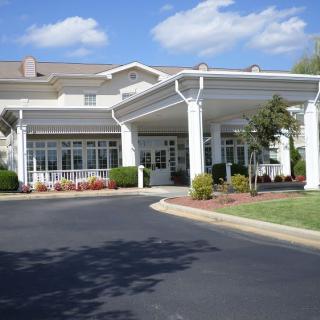
2300 Coleman Rd, Anniston, AL 36207
To contact a resident: (256) 831-5730
For more information about senior living options: (866) 208-4318
Overall Review of NHC Health Care
Pros
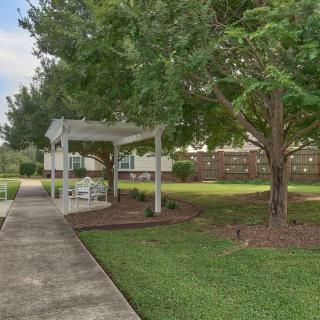
 They found the facility to be very clean and well maintained.
- The staff were very friendly and went above and beyond their responsibilities.
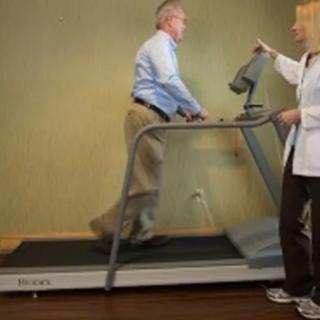
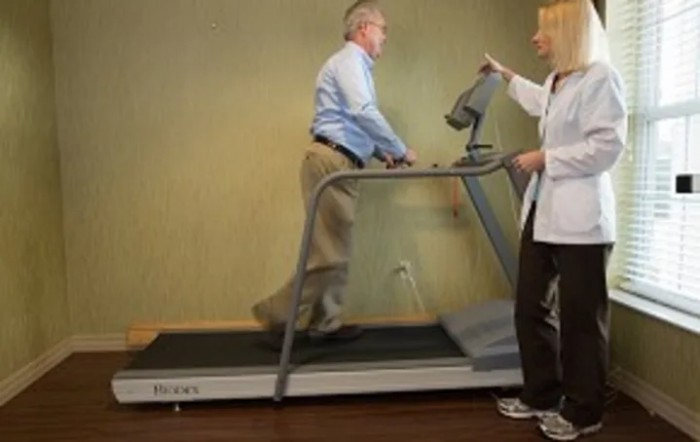
- The physical therapy group was outstanding.
- Abby and Ashley were highlighted for going above and beyond to help and for being caring and uplifting.
- The CNAs were nice and friendly and played a major part in the care team.
- The food was good with a wide variety and alternatives if needed.
- The rehab unit offered a home-away-from-home feel with activities like Bible studies, a workout room, and bingo.
Cons
 The reviewer describes the facility as “hell” and “sheer evil,” with requests for proper care ignored.
 - There was no working ice machine and RNs ignored calls for proper care.
- There was no water for patients; staff had to find tap water from various places in the hallway.
- Food went days without being provided, despite multiple complaints.
- The staff were uncaring, with a CNA described as unfriendly as a pittbull and others nearly letting a patient fall.
- The environment had safety issues: blinds falling, an old heating/air system, an inoperable TV, and no patient call button.
- The rehab unit was severely understaffed, leading to insufficient turns, late medications, and late meals.
- Diabetic dietary guidelines were ignored, with sweet tea and desserts served regardless of blood sugar.
Review
NHC Health Care in Anniston is best suited for families pursuing short- to mid-term rehab where a clean, navigable environment and a focus on physical therapy can drive meaningful recovery. The facility’s single-floor footprint, straightforward layout, and consistently clean common areas create a stable base for residents rebuilding strength after surgery or hospitalization. When rehab momentum matters and family oversight is prepared to be actively involved, this community can deliver tangible gains, particularly in gait, balance, and functional independence through a structured therapy program.
Alternatives should be considered for residents who require unwavering, high-touch medical nursing, meticulous wound care, reliable medication management, and predictable daily hygiene. Recurrent reports of staffing gaps, inconsistent CNA responsiveness, and occasional medication or care missteps signal that this is not a uniformly dependable environment for long-term care or complex medical needs. For families seeking a facility with near-perfect daily caregiving reliability, other options may be a better fit.
On the positive side, the facility earns praise for cleanliness, a generally pleasant atmosphere, and accessible, goal-oriented physical therapy. Therapists and therapy aides who demonstrate dedication can move residents forward, and some reviewers highlight ample, satisfying meal service with options and generous portions. The easy-to-navigate layout, a central nurse office surrounded by patient rooms, helps staff monitor residents, and when the right therapists are involved, residents respond well to instruction and encouragement.
Yet the downside surfaces with disappointing clarity. The most consistent criticisms center on nursing and assistive care: CNAs who appear overwhelmed or inconsistent in responding to calls, insufficient showers or personal care, and troubling reports of wound care oversights or medication mismanagement. Several accounts describe unsafe or delayed interventions, with instances of frail patients not being turned as needed, meals and fluids delayed, and medications administered incorrectly or without timely reconciliation. In some cases, families report that residents leave the facility more unsettled or dependent, a risk that cannot be ignored when evaluating long-term stay potential.
For families weighing the decision, a practical checklist is essential: insist on clear staffing commitments for each shift, including CNA and nurse coverage, and request detailed wound-care protocols, a medication management plan, and a schedule for daily hygiene services. Take advantage of multiple visits at different times of day to observe care dynamics, and seek candid conversations with charge nurses and therapy leadership about response times, escalation procedures, and how problems are tracked and corrected. If possible, review recent quality indicators or incident reports and conversation with current residents or families to gauge consistency beyond episodic praise or isolated complaints.
The bottom line is that NHC Health Care delivers a rehab-forward environment with a clean campus, accessible design, and capable physical therapy when the right staff are engaged. For families prioritizing steady nursing, reliable daily care, and rigorous attention to wound and medication management, alternatives should be seriously considered. If a rehabilitative focus aligned with strong oversight, proactive family involvement, and a clear plan for consistent daily care is acceptable, this community can be a workable choice. The key is entering with clearly defined expectations and a plan for ongoing evaluation and advocacy to ensure the care team meets them.
 Assisted Living
 Skilled Nursing Facility
 Activities on-site
 Devotional services off-site
 Indoor common areas
 Ambulatory care
 Diabetic care
 Meals provided





 Assisted Living Expenses and Long-Term Care Insurance: A Comprehensive Exploration
 Securing Financial Support for Assisted Living: A Comprehensive Overview
 Social Security Benefits and Assisted Living: Navigating Options Across the U.S.