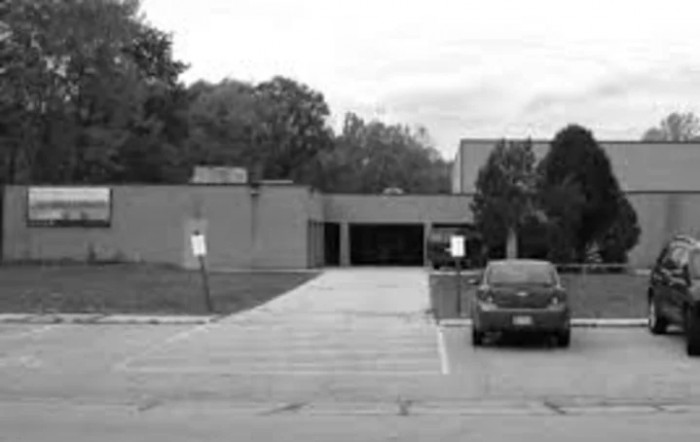

2901 South Overland Road, Oneida, WI 54155
For more information about senior living options: (866) 208-4318
Overall Review of Anna John Resident Centered Care Community
Pros
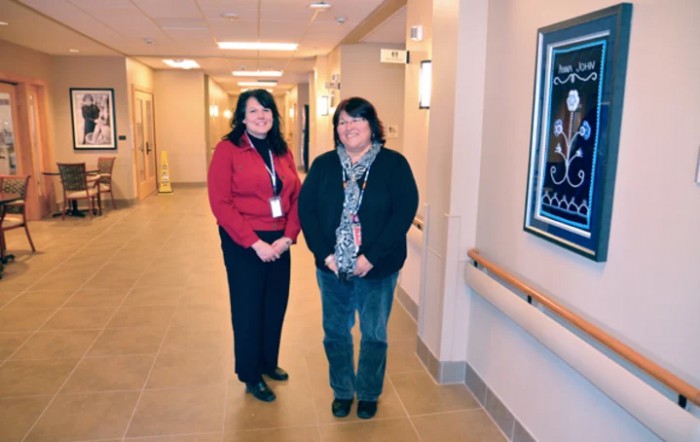
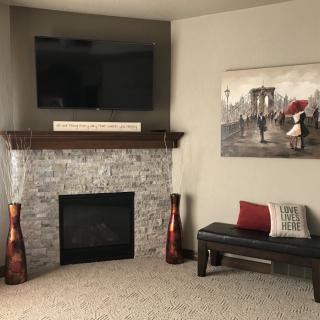
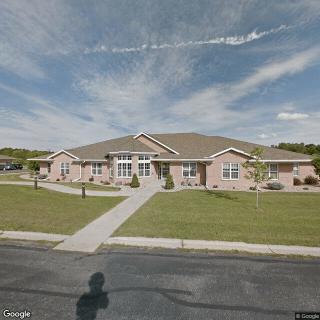
 The facility is beautiful and the patient rooms are very large.
- The staff are friendly, attentive, and caring.
- There are many activities and services with good food and snacks for residents.
- The staff showed her love and kindness, making a difficult time bearable.
- Aides and nurses frequently visited, and staff went above and beyond.
- All staff members are awesome, from medical to custodial.
Cons
 It is a complete and utter joke.
- The Tribe ignores both Elders and Veterans.
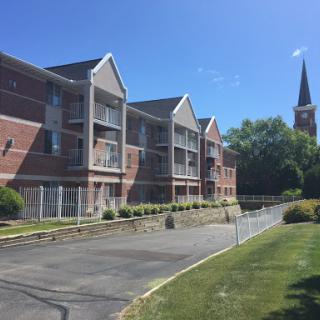
- It is a waste of a gorgeous facility.
- The staff is the worst by far.
Review
Anna John Resident Centered Care Community in Oneida, Wisconsin is best suited for seniors who want a warm, well‑maintained campus where daily life centers on engaging activities, comfortable living spaces, and consistently attentive care. The reviews converge on a standout reality: large, well‑appointed rooms and a facility that feels inviting rather than clinical. Residents and families repeatedly praise the breadth of programming, from structured activities to social events, paired with solid dining options that include regular snacks, elements that help many transition smoothly from independence to assisted living while preserving a sense of home. This community tends to appeal to those who value easy visitor access, dependable staff presence, and a supportive environment where staff are described as friendly, patient, and genuinely engaged in residents’ well‑being.
That said, a cautious decision will weigh the caveats. For families where flawless staffing consistency and a culture that visibly honors elders and veterans are non‑negotiable, this community warrants careful visits and frank conversations. One stark review accuses the staff of being disengaged and points to a broader cultural misalignment, highlighting the risk that the warm atmosphere may not translate into every shift or every situation. The overarching message is not that the facility is devoid of care, but that expectations around staff attitudes and cultural sensitivity matter deeply to some residents and families. Prospective buyers should probe staffing patterns, training, and how caregivers handle moments of decline or end‑of‑life care.
Yet the strongest advantages in practice often offset the concerns. Families repeatedly note the beauty of the surroundings, the size of the living spaces, and the practical comfort of the rooms, which reduces the sense of overcrowding that burdens many assisted‑living campuses. The staff, across nursing, aides, and support roles, are praised for their approachability and willingness to engage with residents. Several accounts describe aides and nurses stopping by frequently, with one especially moving tribute to staff who provided comfort during a relative’s final days. Food and snacks are part of the daily routine, reinforcing a sense of normalcy and dignity. In short, the community delivers the day‑to‑day warmth and reliable care that many families seek when entrusting someone they love to an assisted‑living setting.
Nonetheless, genuine due diligence is essential. Prospective residents should verify staffing coverage across day and night, ask how the center handles medical needs that escalate, and request a candid explanation of how culture and elder respect are integrated into daily practice. Tour the facility at different hours to see how front‑line caregivers interact with residents during routine activities, meals, and mobility support. In addition, confirm the scope of memory care or skilled nursing services, if those needs are anticipated, and inquire about response times for emergencies, medication administration, and transportation for appointments. These practical checks help distinguish a glossy presentation from the steady, reliable caregiving that families rely on in real life.
This community tends to serve well those who want a lively resident life without sacrificing a secure, managed environment. It is particularly appealing for families seeking visible staff engagement, a robust calendar of activities, and a setting that feels clean, accessible, and easy to navigate. The positive anecdotes about staff going above and beyond, and about caregivers who feel like extended family, carry serious weight for anyone balancing caregiving duties and downsizing into assisted living. At the same time, conversations should address whether a consistent, culturally respectful care environment is guaranteed across all shifts, and whether any concerns about staff morale have been addressed since the mixed reviews appeared.
Bottom line: Anna John Resident Centered Care Community is a practical, well‑regarded option for families prioritizing warm, personable care, spacious rooms, and an active social calendar. It earns trust from many families through tangible everyday warmth and reliable safety, but it also demands proactive, on‑the‑ground due diligence focusing on staffing consistency and cultural sensitivity. For those who cannot tolerate variability in staff engagement or who require a veteran‑centric culture, alternatives, perhaps smaller, more tightly run homes or communities with explicit veteran programming, may offer stronger alignment. When the fit checks boxes on staffing, culture, and care oversight, this Oneida community stands up as a solid, value‑oriented choice.
 48 resident community capacity
 Skilled Nursing Facility
 Beauty salon
 Cable or satellite TV
 Dining room
 Fully furnished
 Garden
 Housekeeping services
 Kitchenette
 Move-in coordination
 Outdoor space
 Restaurant-style dining
 Small library
 Telephone
 Wi-Fi/high-speed internet available
 Austin Straubel International (2 miles away)
 24-hour call system
 Activities of daily living assistance
 Assistance with bathing
 Assistance with dressing
 Assistance with transfers
 Diabetes diet
 Medication management
 Mental wellness program
 Special dietary restrictions

 In-Depth Look at the VA Aid and Attendance Program
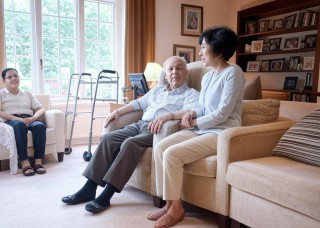 Nurturing Our Loved Ones: A Daughter's Journey in Caring for Her Mother
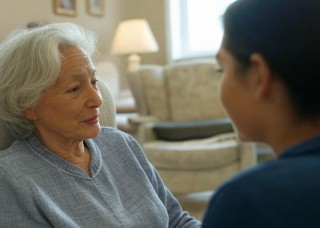 Nurturing Our Elders: Linda's Journey of Supporting Her Mother