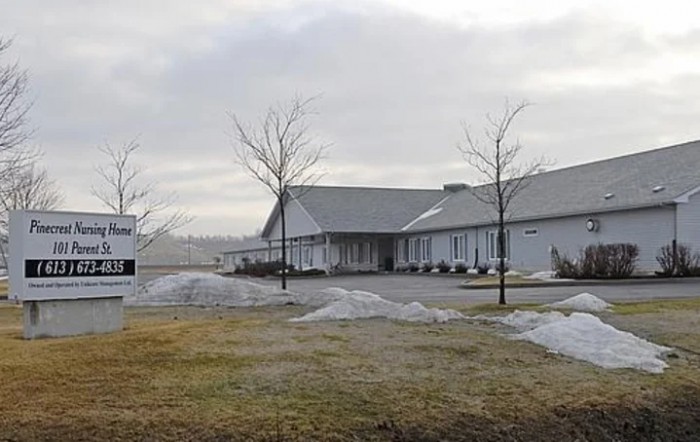
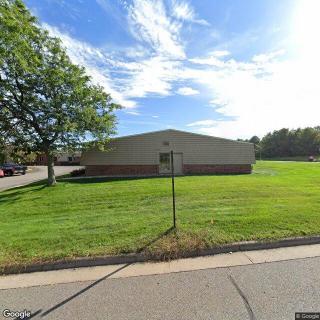
2100 East Sixth Street, Merrill, WI 54452
For more information about senior living options: (866) 208-4318
Overall Review of Pine Crest Nursing Home
Pros
 Aunt Jessie received extremely high quality care.
- The place is awesome.
- She is very happy there.
- The staff there have always been really wonderful.
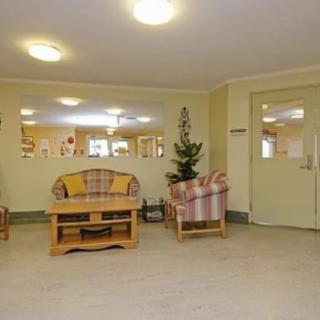
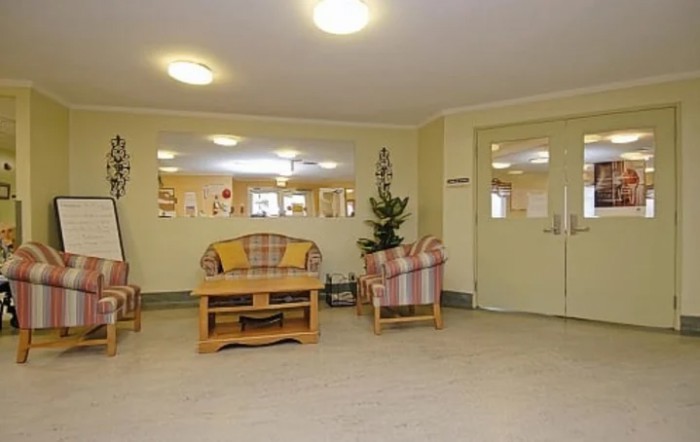
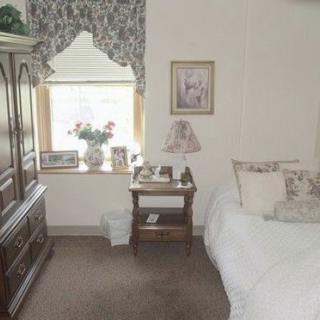
- The facilities are very nice and accommodating.
- The rest of the facility is very clean.
Cons
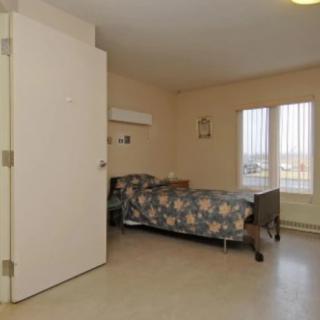
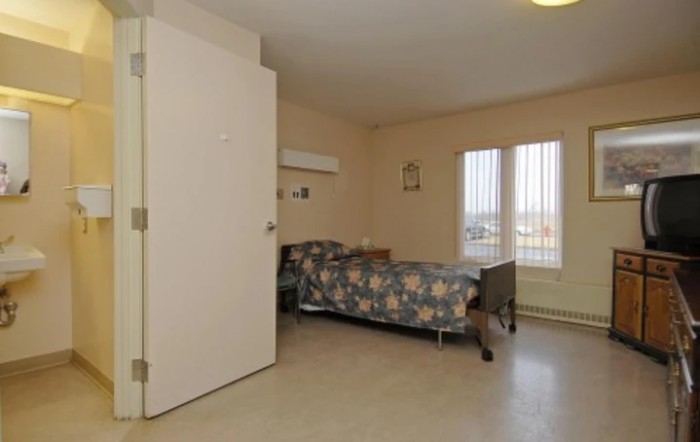
 The Alzheimer's ward is nothing more than a bed with a toilet shared by four people.
- The reviewer would not place their mom there at this point.
- The Alzheimer's unit feels cooped in, and the facility is locked down with passwords to enter and exit.
- Covid visitation restrictions prevented seeing the aunt.
- The food is of poor quality.
- The staff were rude.
- There were medication mistakes, including pills already taken being given and no pill list provided.
Review
Pine Crest Nursing Home in Merrill, WI is best suited for seniors who need steady, professional nursing support within a structured, supervised environment. It serves residents who benefit from attentive caregiving and predictable routines, and it can be a strong fit for families seeking reliability and a clean, well-managed facility. Those with more demanding memory-care requirements or a strong preference for private, spacious accommodations may want to consider alternatives that offer enhanced privacy, smaller unit sizes, or more specialized dementia programming. The facility can deliver solid day-to-day care for many, but it is not the sole answer for every memory-care or high-privacy need.
A practical takeaway from firsthand experience is that the care team at Pine Crest can deliver high-quality attention when a loved one requires ongoing support. For example, Aunt Jessie reportedly received very good care at a time when living independently became untenable, illustrating the core strength of the operation: dependable, compassionate staff who keep residents safe and supervised. The overall atmosphere is described as clean and accommodating across most areas of the campus, and several reviewers praise staff warmth and responsiveness. These strengths create a dependable baseline for families who want consistency, clear communication, and daily assistance that enables residents to stay engaged with activities and routine.
Yet the facility’s strengths do not erase notable limitations, especially for dementia-specific needs and for those who prize privacy. The Alzheimer’s ward is described by some as crowded and somewhat confining, with shared bathroom arrangements that challenge privacy and personal space. The unit’s security features, such as restricted access, reflect a controlled environment, but they also heighten the sense of restriction for families seeking a freer visiting experience and residents who value more autonomy. In addition, mixed feedback on dining quality and meal variety tempers the overall impression, and there are accounts of inconsistent service delivery in therapy and daily medication oversight that raise legitimate concerns about care coordination and transparency.
The key pros, consistent staffing, a generally clean and orderly setting, and a facility that can provide ongoing nursing and rehab support, do offset many of the downsides for families prioritizing stability and a contained, safe environment. For residents who require routine nursing care, medication administration, and monitored activity engagement, Pine Crest often delivers reliable results with visible staff involvement. However, the cons are not trivial: privacy and room quality in dementia care, food experience, and some reports of uneven experiences with therapy scheduling and family communications can significantly color satisfaction, especially for those who place a premium on individualized dementia programming and predictable schedules beyond the core nursing functions.
Families weighing Pine Crest against alternatives should consider their relative emphasis on privacy, memory-care specifics, and customizable care plans. If a loved one needs highly individualized dementia care with private rooms, greater autonomy, and shorter distances to family visits, other facilities may offer a stronger match. For those prioritizing consistent nursing support, a clean environment, and reliable staff engagement, paired with willingness to work within a shared-room dementia setting, Pine Crest can be an excellent choice. The decision hinges on whether the resident’s needs can be met within the current unit structure and whether the family can accept the trade-offs between security, shared spaces, and routine caregiver attention.
In the end, Pine Crest Nursing Home operates as a solid, practical option for seniors who require steady nursing care and value staff reliability within a clean, orderly campus. It excels for families seeking dependable day-to-day support and a safe, monitored setting, where caregivers are engaged and residents can participate in a predictable routine. However, for clients where private rooms, highly individualized memory-care programming, and a broader range of dining and therapeutic options are non-negotiable, alternatives deserve careful comparison. The best choice balances the resident’s care needs with the facility’s capacity to deliver consistent, compassionate service without compromising privacy or personalization.
 180 resident community capacity
 Skilled Nursing Facility
 Air-conditioning
 Beauty salon
 Cable or satellite TV
 Computer center
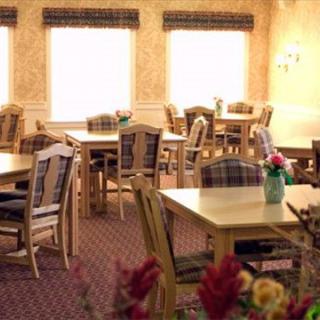
 Dining room
 Fitness room
 Fully furnished
 Gaming room
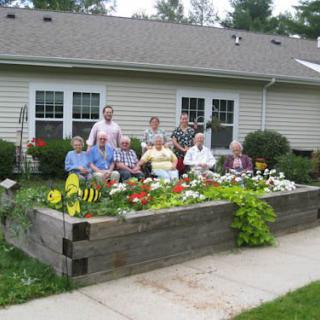
 Garden
 Housekeeping services
 Kitchenette
 Move-in coordination
 Outdoor space
 Private bathrooms
 Restaurant-style dining
 Small library
 Telephone
 Wellness center
 Wi-Fi/high-speed internet available
 Community operated transportation
 12-16 hour nursing
 24-hour call system
 Activities of daily living assistance
 Assistance with bathing
 Assistance with dressing
 Assistance with transfers
 Diabetes diet
 Medication management
 Mental wellness program
 Special dietary restrictions
 Concierge services
 Planned day trips

 Nurturing Our Elders: Linda's Journey of Supporting Her Mother
 A Comprehensive Exploration of Common Misunderstandings about Powers of Attorney
 Senior Move Management: Understanding the Role, Value, and Associated Costs