

4502 Milwaukee St, Madison, WI 53714
To contact a resident: (608) 249-2137
For more information about senior living options: (866) 208-4318
Overall Review of Karmenta Nursing & Rehab
Pros
 There are good staff at Karmenta Center who do care for residents.
- The rehab team did great with the patient after his leg amputation and were really good with him.
- The staff were excellent; they remembered the family and kept them informed about the patient’s care.
- The staff seemed to enjoy the patient’s company when he was lucid and were very supportive during hospice enrollment.
- Residents of all ages and ethnicities were happy there.
- Meals were delivered on a timely schedule.
- The staff did an excellent job with the tools they had.
Cons
 The facility frequently left residents with filthy beds, dirty faces, and dirty wheelchairs.
- It was understaffed and residents were treated poorly by most staff.
- The social worker offered no help and the medical records staff were unhelpful; residents waited for hours for necessary care.
- The facility neglected residents, and the few caring staff did not compensate for the many who were not fulfilling their duties.
- The center was run down with severe staffing shortages; staff were stressed and irritable; there were long wait times for call lights; administration was hard to contact and not helpful; it seemed more focused on profit than on serving residents.
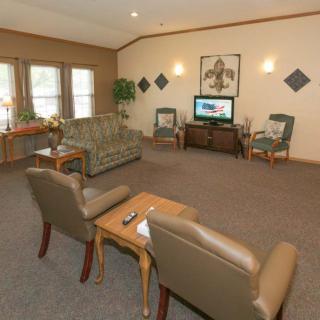
- The rooms were small (two per room), parking was terrible, the environment was gloomy, and cleanliness needed improvement.
- There were reports of a nurse in charge who frequently snapped at residents, illustrating poor patient care.
Review
Karmenta Nursing & Rehab in Madison is best suited for families that need short-term rehabilitation or hospice-oriented care on a tight budget and are willing to trade some comfort and consistency for access to rehab services. The facility does offer real rehabilitation potential and has at least a portion of staff who genuinely care about residents. When a loved one requires focused therapy or is transitioning to hospice, Karmenta can be a practical option, particularly if cost constraints are a primary driver and the family can oversee daily care needs.
Those considering alternatives should look for a community with steadier staffing, stricter cleanliness standards, and clearer administrative responsiveness. If daily life at a facility hinges on reliable call-light response, well-mannered and proactive front-line staff, consistently clean rooms, and predictable meals, Karmenta may fall short. Families that prioritize private rooms, a calmer atmosphere without the variability associated with a mixed-income or transient resident population, and easier access for visitors will want to compare other Madison options closely before committing.
The strongest pro-signal at Karmenta is the presence of capable rehab and some staff who remember residents and communicate in a supportive, attentive manner. When the focus is therapy, progress can be tangible, and the facility has demonstrated the ability to meet rehabilitative goals for some residents. In hospice scenarios, some staff members have been described as genuinely supportive, which can make a difficult transition more manageable for families and patients. However, these strengths tend to be inconsistent and insufficient to neutralize broader operational weaknesses that color daily life.
The primary drawbacks, by contrast, are persistent and visible. Under-staffing translates into long wait times for even basic assistance, and several reviewers recounted neglect and delays that can compromise safety, including incidents such as pressure sores left untreated and ignored physician orders. Cleanliness and maintenance are recurring concerns: beds, faces, and wheelchairs frequently described as dirty, and the environment described as run-down or gloomy. Staffing and administrative communication often appear fragmented, with hard-to-contact managers and a perception that the facility is more focused on occupancy and billing than on service quality. Shared rooms, limited bright spaces, and parking challenges further compound the sense of a facility struggling to keep up with basic resident needs.
In concrete decision terms, these dynamics force a clear calculus. If the priority is rehabilitation with a genuine chance of improvement, Karmenta can deliver, but that option carries nontrivial risk of service gaps and stress for families monitoring care. If daily comfort, predictable routines, timely response to calls, and a consistently clean environment are non-negotiables, alternatives should be pursued aggressively. Prospective families should demand current staffing rosters, detailed call-light response metrics, and a frank tour of patient rooms and common areas. Ask for the rehab team’s plan for any outstanding wounds or complex care needs, and request to speak with both a social worker and a few frontline caregivers about daily workflows.
In the end, Karmenta Nursing & Rehab is not universally suitable. It can serve as a viable, cost-conscious option for rehab-focused stays or hospice transitions when families are prepared to navigate potential service gaps and environmental quirks. For those who cannot accept inconsistent staffing, variable cleanliness, and limited day-to-day responsiveness, it is prudent to scrutinize alternatives where staffing ratios are higher, the facility is more consistently maintained, and administrative communication is reliably proactive. A careful, informed visit, plus checks on recent state findings and staffing commitments, will reveal whether Karmenta aligns with the specific must-haves of a given loved one.
 Skilled Nursing Facility
 Dane County Regional (3 miles away)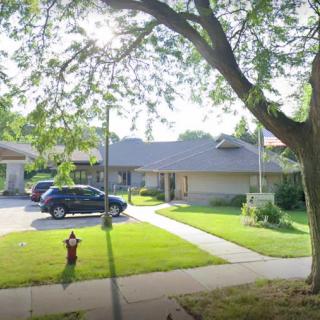



 Comprehensive Insights into Palliative Home Care: What It Is and What to Expect
 Skilled Nursing Facilities vs. Nursing Homes: Making Sense of the Differences
 A Detailed Examination of Nursing Home Costs Across the U.S.