
300 Villa Drive, Hurley, WI 54534
For more information about senior living options: (866) 208-4318
Overall Review of Villa Maria Health And Rehab Center
Pros
 The team at Villa Maria made the transition smooth and incredibly positive.
- The nurses and aides were exceptionally kind and patient, treating him with dignity.
- There were smiling faces, and he was well cared for, safe, and happy.
- The care was compassionate, professional, and truly dedicated.
- The grandmother received excellent care as a resident.
- The staff located the patient quickly and enabled communication with family.
- Rehab care was thorough and attentive to residents across nursing and long-term care.
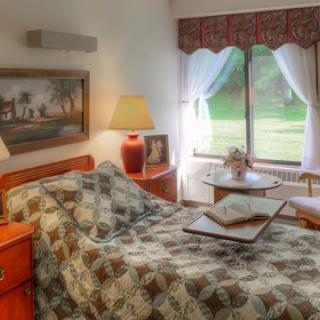
- The facility was clean, with nice rooms, and the front desk staff were professional and respectful, allowing private goodbyes.
Cons
 He was told he was not a patient there several times.
- She was not happy to be in an assisted living center.
- The food was bland.
Review
Villa Maria Health and Rehab Center in Hurley, Wisconsin is best suited for families seeking a caregiver-focused environment where compassionate, patient-centered nursing care and steady rehab support are the centerpiece. The community clearly serves residents who need ongoing supervision, medication management, and post-acute recovery, with an emphasis on dignity and safety. It works especially well for families confronted with the difficult transition from hospital or acute care, where the priority is a smooth move into a setting that prioritizes gentle, respectful interaction from nurses, aides, and other staff. The tone conveyed by multiple accounts is that of a facility where care teams strive to normalize daily routines, reduce anxiety, and keep loved ones as comfortable as possible while progressing toward recovery or stabilization.
Those who may want to consider alternatives should weigh the desire for more robust social programming, greater resident independence, or a dining experience that prioritizes bold flavors. Some families may also prefer a setting with more consistently seamless communications across distances, especially when a loved one is transferred between facilities or contacted by relatives who live far away. One review highlights a lapse in locating a patient during a transfer, underscoring that, despite overall strong care, communication gaps can create anxiety for families. For residents who prize lively engagement, varied activities, or memory-care specifics, Villa Maria’s offerings in those exact domains may not align perfectly with every expectation. In these situations, exploring other communities with a more explicit focus on those elements is prudent.
The strongest pros at Villa Maria lie in the people who show up every day. CNAs, RNs, food service workers, activities staff, maintenance teams, and administrators are repeatedly described as kind, patient, and genuinely dedicated to residents’ well-being. That human warmth translates into tangible benefits: residents experience consistent, respectful treatment, a sense of safety, and a daily environment where happiness and dignity are prioritized. The rehab component receives particular praise, with residents noting meaningful attention during post-acute stays, whether for short-term recovery or longer rehabilitation, and staff across departments coordinating care that reinforces progress. Cleanliness, well-kept rooms, and a front desk that presents a professional, welcoming face further bolster confidence that this is a well-run operation where daily routines are handled competently.
Yet the cons tied to experience cannot be entirely dismissed. A recurring theme is the occasional disconnect in family communication, especially when relatives call from far away and must persevere to confirm a patient’s status. This tension matters because it affects confidence in coordination during critical moments, even when clinical care itself is strong. Food, while described as well prepared, is sometimes characterized as bland, suggesting that taste and meal variety may not meet every resident’s preferences. A few reviews also reveal a resident or family member who did not feel the assisted-living environment was the ideal fit, signaling that, for some, the setting may feel less engaging or empowering than hoped. These gaps do not erase the care quality, but they do sharpen the decision for those with particular expectations around daily livability and communication.
Overall, the balance of evidence positions Villa Maria as a solid, capable choice for families prioritizing dependable caregiving and rehabilitation within a respectful, clean, and orderly setting. The pro-heavy picture, compassionate staff, dignified treatment, real emphasis on safety, and reliable rehab, often outweighs the drawbacks for residents who lean into structured support and consistent staff-resident rapport. Where concerns arise, they tend to be rooted in process and preference rather than clinical competence. In other words, for a loved one whose primary needs are 24/7 nursing oversight, practical rehab progression, and a trustworthy daily routine, Villa Maria delivers with commendable steadiness. The facility tends to reward families who value continuity, straightforward communication about care plans, and an environment that emphasizes the human side of aging and recovery.
When evaluating next steps, visitors should approach with a practical, evidence-based checklist. Ask to meet the care team across shifts to gauge consistency and responsiveness, and request a transparent outline of how family updates are handled, including who will call after tests or changes in status. Tour the rehab area with attention to personalization of therapy plans and opportunities for family involvement in goal setting. Inquire about meal planning and whether diet preferences or cultural food requests can be accommodated to offset the noted blandness. Confirm the availability of engaging activities that match the resident’s interests and cognitive needs, and verify the presence of dementia- or memory-care specific programming if relevant. Finally, consider how well the facility’s environment supports independence versus supervision, ensuring choices align with the loved one’s temperament and long-term goals. Villa Maria stands as a dependable, compassionate option for those who prize steady, respectful care; it may, however, be outshined by alternatives that promise more robust social programming, highly customized cuisine, or flawlessly seamless family communications.
 70 resident community capacity
 Skilled Nursing Facility
 Air-conditioning
 Beauty salon
 Cable or satellite TV
 Computer center
 Dining room
 Fitness room
 Fully furnished
 Gaming room
 Garden
 Housekeeping services
 Kitchenette
 Move-in coordination
 Outdoor space
 Private bathrooms
 Restaurant-style dining
 Small library
 Telephone
 Wellness center
 Wi-Fi/high-speed internet available
 Community operated transportation
 12-16 hour nursing
 24-hour call system
 Activities of daily living assistance
 Assistance with bathing
 Assistance with dressing
 Assistance with transfers
 Diabetes diet
 Medication management
 Mental wellness program
 Special dietary restrictions
 Concierge services
 Planned day trips

 Comprehensive Insights into Palliative Home Care: What It Is and What to Expect
 Skilled Nursing Facilities vs. Nursing Homes: Making Sense of the Differences
 A Detailed Examination of Nursing Home Costs Across the U.S.