
719 East Catherine Street Box 167, Darlington, WI 53530
For more information about senior living options: (866) 208-4318
Overall Review of Lafayette Manor
Pros
 The staff are amazing and caring, with therapy that attentively ensures exercises are done with good posture and correct body mechanics.
- The place is wonderful and run by very kind folks, offering daily breakfast, a beautiful pool and jacuzzi, and a relaxing atmosphere.
- The facility has a long history of excellent care.
- The food and activities programs are good.
- The site is located in a convenient area in Darlington, near the hospital.
Cons
 The facility has had a hard time in recent years due to turnover.
- The state survey found 22 deficiencies, well above the state average.
- They recently closed the memory care unit and converted that wing into a rehab unit.
- The building is old and in need of help.
- The rooms are nothing special.
Review
Lafayette Manor in Darlington is best suited for seniors who need skilled nursing rehabilitation and value a warm, community-focused setting where staff take the time to engage with residents. The most compelling strengths are the genuinely caring staff and a therapy program that is attentive to form and safety, with therapists who emphasize correct posture and body mechanics during exercises. Families considering recovery after surgery or a hospital stay will appreciate a facility that makes breakfast daily, offers a relaxing pool and jacuzzi, and sits in a quiet, accessible location near the hospital. The county-owned operation also brings a sense of local stewardship, and the food and activities programs are consistently described as solid. For short-term recovery goals, Lafayette Manor can feel like a reassuring, practical choice.
That said, several realities warrant careful appraisal before committing long term. The most significant caution is leadership turnover: the director of nursing and administrator were replaced within the past year, which can ripple through staffing stability and policy consistency. The most recent state survey revealed 22 deficiencies, more than double the state average, raising questions about ongoing quality control and operational improvements. Notably, the memory care unit was closed and reimagined as a rehab wing, signaling a strategic shift away from dedicated dementia care. For families prioritizing robust memory care or a facility with a clearly defined memory-dedicated environment, alternatives may be a better fit.
On balance, the strengths can meaningfully offset many concerns for the right use case. The staff’s evident dedication translates into real progress in rehabilitation goals, with therapy teams taking deliberate care to guide patients through exercises and ensure safe mechanics. The daily breakfast routine and an active calendar of activities contribute to a sense of normalcy and social connection that supports recovery and well-being. The building’s county backing and proximity to services, plus the ease of family visits and medical appointments, add practical value. For residents who prize a welcoming, service-oriented atmosphere and a straightforward rehab path, these advantages carry substantial weight.
Nevertheless, the cons deserve clear weight in decision-making. Leadership instability can undermine consistency in care planning and staff morale, potentially affecting long-term residents or those with complex needs. The deficiencies history, even if improving, signals that ongoing oversight and verification will be essential. The absence of a dedicated memory care unit means this setting may not be suitable for individuals whose needs are primarily memory-focused or who require specialized dementia programming and environment. The older, three-story building with rooms described as “okay, nothing special” may also be less appealing to families seeking modern aesthetics or state-of-the-art amenities.
For families evaluating Lafayette Manor, a practical next step is to request the latest survey results and talk directly with nursing leadership about staffing stability, turnover plans, and the concrete rehab services offered day to day. A thorough in-person tour is essential to assess cleanliness, noise, resident assistance during meals and activities, and the availability of supports for mobility-impaired residents. Compare this option against communities with strong memory care programs and newer facilities to determine whether the potential for a longer-term stay justifies the trade-offs. Also verify transportation, meal variety beyond breakfast, and whether the pool and jacuzzi remain accessible to all levels of mobility.
In conclusion, Lafayette Manor stands out for rehab-focused seniors who value a caring, engaged staff, dependable daily meals, and a supportive social milieu in a county-backed setting near medical resources. It may not be the right fit for residents requiring intensive memory care or for those who insist on a newer, more modern facility. For someone recovering from surgery or illness and needing a dependable, community-oriented environment, the positives, dedicated therapy, strong meal and activity programming, and a convenient location, can outweigh the drawbacks, provided the care plan includes ongoing oversight and clear expectations. A purposeful visit with targeted questions will reveal whether this community aligns with the resident’s recovery goals and long-term care preferences.
 64 resident community capacity
 Skilled Nursing Facility
 Air-conditioning
 Beauty salon
 Cable or satellite TV
 Computer center
 Dining room
 Fitness room
 Fully furnished
 Gaming room
 Garden
 Housekeeping services
 Kitchenette
 Move-in coordination
 Outdoor space
 Private bathrooms
 Restaurant-style dining
 Small library
 Telephone
 Wellness center
 Wi-Fi/high-speed internet available
 Community operated transportation
 12-16 hour nursing
 24-hour call system
 Activities of daily living assistance
 Assistance with bathing
 Assistance with dressing
 Assistance with transfers
 Diabetes diet
 Medication management
 Mental wellness program
 Special dietary restrictions
 Concierge services
 Planned day trips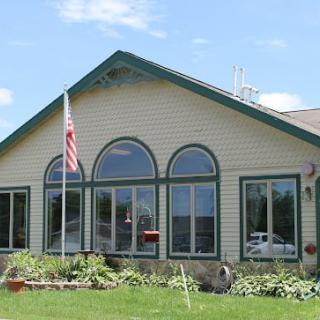


 Supportive Employee Benefits That Help Caregivers Attain Better Work-Life Harmony
 Top Cars for Senior Drivers and Essential Safety Innovations
 A Closer Look at Private Pay Home Care