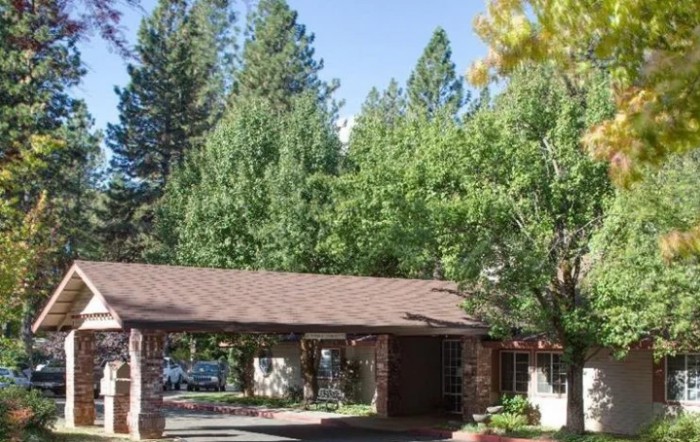
400 County Road R, Black River Falls, WI 54615
For more information about senior living options: (866) 208-4318
Overall Review of Pine View Care Center
Pros
 The staff is very amazing and does their best to help every resident.
- The staff is very kind and compassionate, and they make the home amazing.
- The staff cares for residents with dedication, going above and beyond to meet their needs and acting as strong advocates.
- Residents have access to wonderful occupational and physical therapists.
- The staff's care and advocacy are highlighted as strengths of the home.
Cons
 The facility is understaffed and lacks basic comforts like air conditioning, with frequent power outages.
- Staffing is poor, with low pay, frequent absenteeism, and nursing management described as useless and not enough CNAs.
- The care provided did not meet expectations, and family members were not timely informed about serious health issues.
- Family members are not allowed to visit or view the patientā€™s room, and they cannot discuss care with doctors.
- The care is overpriced for what is delivered, and doctors often appear only via video rather than in person.
- The staff are not visible or knowledgeable beyond the activities director, indicating poor overall care.
- There are allegations of racist behavior by a CNA, and administration is not effectively addressing those concerns.
Review
Pine View Care Center in Black River Falls is best suited for families seeking a facility where frontline staff genuinely care and advocate for residents, and where strong therapeutic services, including occupational and physical therapy, can support rehabilitation or ongoing activity. The strongest asset by far is the personal warmth and dedication of caregivers who try to bend over backward for residents. For families that can tolerate imperfect systems while prioritizing hands-on staff engagement, this community can feel like a lifeline. The memory care option is noted, and for some residents with dementia this presence of a specialized unit can offer continuity of care within a familiar setting.
That said, this community warrants careful consideration for anyone who expects consistently reliable management, transparent communication, and seamless medical oversight. Several reviews flag significant governance gaps: under-staffing, high turnover, and a perception that nursing leadership does not address problems effectively. The cost is substantial, thousands per month, without a commensurate sense of consistently delivered value from administration, particularly in terms of timely medical updates and proactive family involvement. Families who need clear, ongoing visibility into care decisions and routine doctor interactions should proceed with caution or seek alternatives.
The practical upside, compassionate, responsive front-line staff, offsets some risk, especially for residents who benefit from daily advocacy and empathetic caregiving. When staff are present, residents appear to receive attentive support, and therapists are frequently praised for their competence and dedication. This creates a credible baseline of daily quality care, especially in short-term rehab or routine support situations where the human touch matters most. In memory care, the presence of a dedicated unit can be a stabilizing factor for residents who respond well to familiar routines and steady, attentive aides.
However, the dominant downsides tend to eclipse these strengths. Chronic staffing shortages, low pay, and frequent call-outs among CNAs degrade consistency and raise the likelihood of missed cues in escalating health concerns. Administrative leadership receives strong pushback for inaction and poor communication, families report delays in recognizing serious medical issues, limited access to doctors beyond video visits, and insufficient coordination of care plans. The emotional weight of feeling unheard is compounded by experiences of perceived overmedication and a sense that loved ones are not always placed at the center of decision-making, which erodes trust over time.
Ultimately, the pros and cons structure a clear verdict: the care environment can be deeply caring and professionally capable on the ground, but systemic shortcomings in staffing, administration, and transparency inhibit reliable, long-term confidence. For families who can actively participate in care oversight, press for regular in-person physician rounds, demand timely updates, and maintain a vigilant eye on care plans, Pine View can still function as a viable option. For those seeking a seamless, low-ambiguity experience with predictable medical oversight and dignity of risk-managed care, alternatives may offer more peace of mind and fewer confrontations about value versus cost.
In practical terms, families considering Pine View should approach with a concrete plan. Schedule extended, multi-day visits to observe interactions between staff and residents, and request meetings with both the nursing supervisor and the administrator to assess responsiveness and accountability. Probe staffing schedules, CNA coverage, and how often family members are consulted about medical decisions. Seek clear, written care plans, and insist on timely, direct physician communication rather than relying on remote or third-party updates. If the impression is that administration is disengaged or family voices are minimized, it is prudent to compare this community with other local options or larger facilities known for stronger governance and more consistent medical oversight. The decision should hinge on whether a loved one can thrive within a setting where compassionate frontline care is real and reliable, even if the overall system requires more robust oversight and improved transparency.
 95 resident community capacity
 Skilled Nursing Facility
 Air-conditioning
 Beauty salon
 Cable or satellite TV
 Computer center
 Dining room
 Fitness room
 Fully furnished
 Gaming room
 Garden
 Housekeeping services
 Kitchenette
 Move-in coordination
 Outdoor space
 Private bathrooms
 Restaurant-style dining
 Small library
 Telephone
 Wellness center
 Wi-Fi/high-speed internet available
 Community operated transportation
 12-16 hour nursing
 24-hour call system
 Activities of daily living assistance
 Assistance with bathing
 Assistance with dressing
 Assistance with transfers
 Diabetes diet
 Medication management
 Mental wellness program
 Special dietary restrictions
 Concierge services
 Planned day trips

 Understanding Home Health Care: A Comprehensive Guide
 Home Health Care Demystified: A Comprehensive Guide for Families and Caregivers
 Seniors and Modern Transportation: Exploring Uber, Lyft, and Other Ride-Hailing Options