



19160 Front Street Northeast, Poulsbo, WA 98370
For more information about senior living options: (866) 208-4318
Martha And Mary Health Service Costs & Pricing
At Martha And Mary Health Service, the monthly cost for a private room is competitively priced at $2,585. This figure stands in stark contrast to the average costs within Kitsap County, which are significantly higher at $4,406, and even more so compared to the broader state of Washington, where the average reaches $4,772. These figures underscore Martha And Mary's commitment to offering quality care while maintaining affordability, positioning them as an attractive option for those seeking residential health services without compromising on care standards.
| Floor plans | Martha And Mary Health Service | Kitsap County | Washington |
|---|---|---|---|
| Private | $2,585 | $4,406 | $4,774 |
Skilled Nursing Facilities with a similar price nearby
-
from -$135 / mo

Bayview Retirement Community
$2,450 to $4,630 / month15.5 miles away -
About the same

Park Shore
$2,600 to $4,534 / month18.7 miles away -
About the same

Laurel Glen At Bremerton Senior Living
$2,520 to $3,850 / month10.6 miles away -
from -$183 / mo

The Hearthstone
$2,402 to $4,917 / month15.4 miles away -
from +$153 / mo

The Kenney
$2,738 to $3,358 / month18.1 miles away
Overall Review of Martha And Mary Health Service
Pros
 The staff care deeply for Mama and for the visiting father.
- Their tremendous care and hearts for residents are astounding and a blessing.
- They visit, bring breakfast, coffee, and hugs, and leave caring notes for them all.
- They are like family to the family.
- The staff and management's foresight helped keep COVID infections impressively low.
- Management prioritized safety by implementing masks and distancing.
- The care was wonderful and contributed to a recovery of lucidity and cognitive memory.
Cons
 The care she receives here is despicable.
- Call lights are functionally ignored.
- Any criticism is met with excuses.
- The care he received did not meet the reviewers' standards.
- His sheets were not changed.
- They would not let him leave his room unless accompanied.
- Two nurses were very rude.
- The facility appears to prioritize profit over resident and staff well-being.
- Management's decision to close visits hurt families.
- The facility lacks sufficient one-on-one care compared to more modern facilities.
Review
This community is best suited for families seeking a small, home‑style setting where caregivers know residents by name, family involvement is welcomed as part of daily care, and the atmosphere feels intimate rather than clinical. The stories point to a warm, personal approach when staff are present, with families reporting visits that include meals, notes, and genuine gestures of care. It appeals to families managing dementia or memory‑care needs who benefit from predictable routines, a walkable neighborhood setting, and a place where loved ones can remain social and engaged through regular, hands‑on attention from caregivers. In short, Martha and Mary works best for those who value relational care and are prepared to advocate actively, leaning on a close community to fill gaps that a smaller facility may struggle to staff consistently.
Those who need consistently flawless, top‑tier clinical care or a modern, high‑acuity environment should consider alternatives. Several reviews flag serious shortcomings in day‑to‑day operations, ignored call lights, incomplete hygiene, and occasional rude staff, that can undermine safety and dignity. Probing questions about nurse and CNA coverage, turnaround on problems, and how concerns are escalated become non‑negotiables in the decision process. Families who cannot tolerate episodes of poor attention to basics like cleanliness, timely assistance, or respectful communication should look toward larger, more resourced facilities with stronger oversight and standardized processes.
The strongest upside here is the human touch: dedicated staff who treat residents like family, a genuine sense of community, and a willingness to go beyond the bare minimum when crises arise. When care teams align with families, the facility can feel like a supportive extension of home, visits, shared meals, and caring notes become meaningful elements of daily life. The remodel and the facility’s location contribute to a pleasant backdrop for ordinary days and slow, restorative days for residents who benefit from gentle, familiar routines. However, these strengths are tempered by recurring concerns about staffing consistency and accountability; the positives only fully realize themselves when caregivers are fully present and responsive.
That mix matters profoundly for residents with dementia or end‑of‑life needs, where continuity of attentive presence can stabilize mood and reduce agitation. In favorable moments, staff respond with courtesy, warmth, and practical help that can ease family worry and support a resident’s comfort. Yet the negative cases, perceived neglect in moments of high demand, inconsistent showering and hygiene, and staff communication gaps, underscore a real, risk‑based tension: a good day hinges on the personality and shift, not just the program. For families, this means decisions should weigh not only the reputation but the ability to observe consistent, compassionate care across multiple shifts.
Before choosing, pursue a practical, evidence‑driven due diligence. Schedule visits on different days and times to observe routine care, not just staged tours. Ask blunt questions about CNA‑to‑resident ratios, response times to call bells, and the facility’s process for handling complaints, rapid changes in condition, and safety concerns. Inquire about dementia‑specific supports, medical oversight, and how the remodeled Marina Unit translates into daily life, noise levels, mobility safety, and activity options matter. Request recent references from families who have had ongoing experiences, and verify how staff turnover affects continuity of care. These steps reveal whether the warm moments documented by some families can be reliably replicated for a loved one.
The bottom line: Martha and Mary serves a defined niche where warmth, personal attention, and a close‑knit community can compensate for smaller resources and variable staffing. It is not the default choice for families prioritizing always‑on, highly professional nursing care or a slick, contemporary facility environment. If comfort, familiarity, and a caregiving culture matter most, and there is bandwidth to monitor and advocate for quality, this community can be a good fit. If, instead, consistent staffing, aggressive hygiene standards, and a modern, high‑acuity setting are non‑negotiables, alternatives with stronger, more uniform care models should be pursued. The decision should hinge on how well the resident tolerates variability and how ready the family is to stay engaged as care partners.
 190 resident community capacity
 Skilled Nursing Facility
 Air-conditioning
 Beauty salon
 Cable or satellite TV
 Computer center
 Dining room
 Fitness room
 Fully furnished
 Gaming room
 Garden
 Housekeeping services
 Kitchenette
 Move-in coordination
 Outdoor space
 Private bathrooms
 Restaurant-style dining
 Small library
 Telephone
 Wellness center
 Wi-Fi/high-speed internet available
 Community operated transportation
 12-16 hour nursing
 24-hour call system
 Activities of daily living assistance
 Assistance with bathing
 Assistance with dressing
 Assistance with transfers
 Diabetes diet
 Medication management
 Mental wellness program
 Special dietary restrictions
 Concierge services
 Planned day trips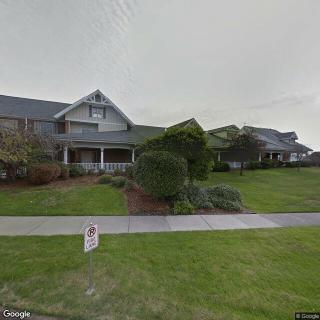






 Understanding the Nuances of Palliative Care and Hospice: A Comprehensive Exploration
 Fecal Incontinence in Older Adults: A Comprehensive Guide
 Nurturing Well-Being Through Gardening: A Detailed Guide for Senior Enthusiasts