
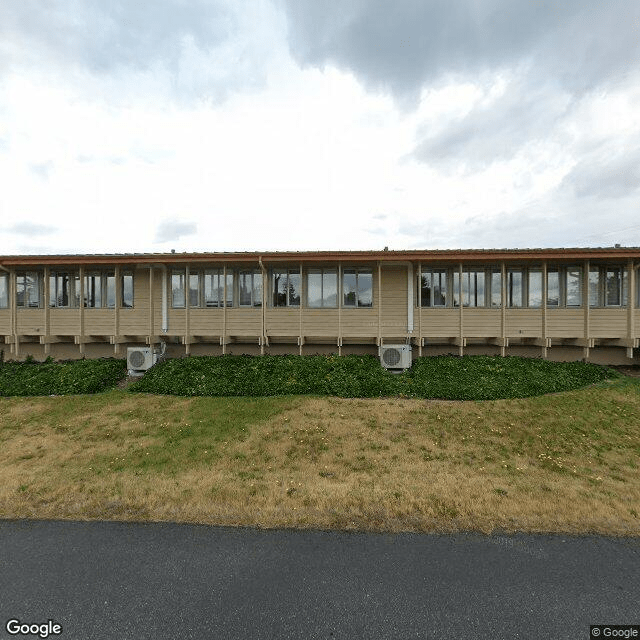
PO Box 1900 235 SW 6th Ave, Oak Harbor, WA 98277
To contact a resident: (360) 675-5913
For more information about senior living options: (866) 208-4318
Whidbey Island Manor Costs & Pricing
Whidbey Island Manor offers competitive pricing compared to the broader market in both Island County and the state of Washington. For a semi-private room, residents can expect to pay $3,000 per month, which is significantly lower than the average cost of $5,195 in Island County and $4,267 statewide. Similarly, for those seeking more privacy, a private room at Whidbey Island Manor is available for $3,900 - again, this is favorable when contrasted with the local county rate of $4,350 and the state average of $4,772. These pricing structures make Whidbey Island Manor an attractive option for individuals seeking quality care without the financial burden typically associated with long-term care facilities.
| Floor plans | Whidbey Island Manor | Island County | Washington |
|---|---|---|---|
| Semi-Private | $3,000 | $5,195 | $4,272 |
| Private | $3,900 | $4,350 | $4,774 |
Overall Review of Whidbey Island Manor
Pros
 The staff are very caring and attentive.
- They treat residents with tender loving care.
- The staff are loved by families for their dedication.
- The Manor is a place where love and compassion are shown toward residents.
- It is a great place for those who need total care.
Cons
 They warn against applying for a job here, describing the owner as awful and the administration as unprofessional.
- It is not a luxury hotel.
Review
Whidbey Island Manor in Oak Harbor is best suited for seniors who need total, hands-on care and who prioritize warm, compassionate day-to-day interaction with staff over resort-like amenities. The strongest signal from resident families is that the care team provides consistent tenderness and attentiveness, with caregivers seen as devoted and genuinely devoted to their residents. This is not a luxury setting, but a practical, people-centered environment where the daily experience centers on support, reassurance, and dependable assistance. For families whose primary concern is reliable care delivered with kindness, this community stands out as a strong option.
On the upside, staff members are repeatedly described as loving, patient, and attentive, qualities that translate into meaningful daily comfort for residents. Families report that caregivers treat residents with genuine affection and take the time to address personal needs with care and respect. The impression is that the care culture remains deeply focused on empathetic interactions and consistent presence, which can significantly ease transitions for someone who requires ongoing supervision, mobility support, and routine assistance. For residents who adapt to a non-luxury environment, the human element becomes the defining strength and often forms the core reason families choose this community.
Yet the reviews also flag a notable downside: leadership and administrative leadership appear to be a point of concern for some families. One review describes the ownership and administration as unprofessional, signaling potential inconsistency in governance, policies, and communication. This is not a minor caveat; it touches the backbone of the resident experience, from billing clarity to care-plan updates and responsiveness to family input. The implication is that while day-to-day care can be deeply caring, the overarching management environment may feel unstable or opaque to those seeking predictable, transparent governance.
Given the administrative questions, consider alternatives for families who prioritize a consistently polished leadership experience, clear accountability, or upscale surroundings. Other communities may offer more formalized governance, stricter oversight, or hotel-like amenities that align with expectations for a higher-end senior living environment. Whidbey Island Manor’s value proposition hinges on the fidelity of its caregiving, not on luxury branding; for families where leadership stability is non-negotiable, exploring other options could prevent mismatches between expectations and experience.
The pros, genuine, compassionate care and a staff culture that truly supports residents, do offset several of the cons for the right resident. When the priority is reliable daily support, the affectionate, attentive care can markedly improve quality of life, reduce anxiety, and facilitate safer independence within a staffed setting. However, the risk remains that administrative concerns can erode confidence over time, especially if questions about oversight, policy consistency, or responsiveness are not promptly addressed. In practice, Whidbey Island Manor serves best when families are prepared to monitor governance closely while leaning on the care team for day-to-day stability.
For families ready to move forward, a practical decision framework helps turn this profile into a concrete choice. Schedule transparent conversations with administrators to understand staffing ratios, care planning processes, and how resident grievances are handled. Seek direct feedback from current residents or their families about communication clarity, billing, and any recent leadership changes. Visit with concrete questions about activity schedules, meal quality, and how care plans adapt to evolving needs. If leadership stability and a premium environment are non-negotiable, this community may be less aligned; if the priority is steady, heartfelt caregiving delivered in a straightforward setting, Whidbey Island Manor offers a credible, compassionate option worth pursuing.
 Skilled Nursing Facility
 Private




 In-Home Care Costs in 2025: A Detailed State-by-State Exploration
 Understanding Home Health Care: A Comprehensive Guide
 Home Health Care Demystified: A Comprehensive Guide for Families and Caregivers